
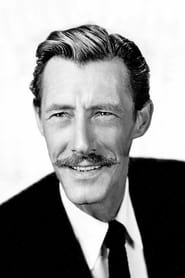
John Carradine

John Carradine

Actor

Born: February 5, 1906 in New York City, New York, USA Died: August 27, 1988 Active: 1930-1988 Birth Name: Richmond Reed Carradine

About John Carradine

John Carradine was one of Hollywood's most prolific and distinctive character actors, appearing in over 200 films during his nearly 50-year career. Born Richmond Reed Carradine in 1906, he began as a Shakespearean stage actor before transitioning to film in the 1930s. His tall, gaunt frame, piercing eyes, and deep, resonant voice made him instantly recognizable, perfect for playing villains, eccentrics, and historical figures. Carradine worked extensively with director John Ford, appearing in classics like 'Stagecoach' (1939) and 'The Grapes of Wrath' (1940). He became a staple of horror films in the 1940s and 1950s, often playing Dracula or other supernatural characters in low-budget productions. Despite his typecasting in villainous roles, Carradine was a classically trained actor with a deep appreciation for theater and literature. His career continued through the 1970s, appearing in both mainstream films and exploitation cinema, cementing his status as a cult icon among horror and B-movie enthusiasts.

The Craft

On Screen

Carradine was known for his theatrical, grandiose acting style honed from his Shakespearean background. He possessed a distinctive, resonant voice that he used to great effect, often delivering lines with dramatic flourish and aristocratic bearing. His physical presence—tall, gaunt, with piercing eyes—made him perfect for playing villains, mad scientists, and supernatural beings. Despite often appearing in low-budget productions, Carradine approached every role with serious dedication, bringing a level of gravitas and theatricality that elevated even the most modest material. He specialized in playing eccentric, often sinister characters with a hint of tragic nobility.

Milestones

  • Film debut in 'Tol'able David' (1930)
  • Breakthrough role in 'The Bride of Frankenstein' (1935)
  • Frequent collaborator with director John Ford
  • Iconic horror film roles in the 1940s-1950s
  • Father of acting dynasty including David Carradine
  • Over 200 film appearances
  • Star on Hollywood Walk of Fame (1976)
  • Cult status in horror and B-movie genres

Best Known For

Iconic Roles

  • Aaron in 'The Ten Commandments' (1956)
  • Dracula in multiple horror films
  • Crazy Jake in 'Stagecoach' (1939)
  • Preacher Casy in 'The Grapes of Wrath' (1940)
  • Satan in 'The Story of Mankind' (1957)

Must-See Films

  • Stagecoach
  • 1939
  • The Grapes of Wrath
  • 1940
  • The Ten Commandments
  • 1956
  • The Bride of Frankenstein
  • 1935
  • House of Dracula
  • 1945
  • The Howling
  • 1981
  • awards
  • Hollywood Walk of Fame Star (1976)
  • nominations
  • Golden Globe nomination for 'The Man Who Shot Liberty Valance' (1962)
  • honors
  • Inducted into the Horror Hall of Fame,Cult film icon status,Recognized as one of Hollywood's most prolific character actors
  • personalLife
  • John Carradine was married four times and fathered five sons, four of whom became actors. His most famous son is David Carradine of 'Kung Fu' fame. Carradine was known for his eccentric personality and bohemian lifestyle, often living in unusual circumstances. He was a talented artist and musician who painted and played the cello. Despite his prolific film career, he struggled financially for much of his life, partly due to his willingness to work in low-budget productions. He was also known for his deep knowledge of Shakespeare and classical literature, often reciting lengthy passages from memory.
  • spouses
  • Ardanelle McCool (1935-1944),Sonia Sorel (1944-1957),Doris Rich (1957-1971),Emily Cisneros (1977-1988)
  • children
  • David Carradine (1936-2009) - actor,Bruce Carradine (born 1939),Keith Carradine (born 1949) - actor,Christopher Carradine (born 1950),Robert Carradine (born 1954) - actor
  • education
  • Studied at Christ Church School and Richmond Hill High School
  • Attended Columbia University briefly
  • Trained in Shakespearean theater
  • studioAffiliations
  • Universal Pictures,20th Century Fox,MGM,Warner Bros.,Paramount Pictures
  • frequentCollaborators
  • John Ford (director),Cecil B. DeMille (director),John Wayne (actor),Henry Fonda (actor),Lon Chaney Jr. (actor)
  • mentors
  • John Barrymore (theatrical influence),Orson Welles (early career guidance)
  • protégés
  • Influenced his sons' acting careers,Mentored many young actors in B-movie productions
  • culturalImpact
  • John Carradine left an indelible mark on American cinema, particularly in the horror and western genres. His distinctive presence and voice made him one of the most recognizable character actors of his era. Carradine's portrayal of Dracula and other horror villains helped define the visual and performative language of American horror cinema. His work with John Ford contributed to some of the most significant films in Hollywood history. Carradine's willingness to work in both prestigious A-list productions and low-budget B-movies made him a bridge between mainstream and cult cinema, influencing generations of character actors who followed.
  • legacy
  • John Carradine's legacy endures through his vast filmography and the acting dynasty he created. His sons and grandchildren continue to work in Hollywood, carrying forward the family name. Carradine is remembered as one of Hollywood's most prolific and reliable character actors, capable of elevating any material with his distinctive presence. He has become a cult figure among horror and B-movie enthusiasts, celebrated for his memorable performances in genre films. His ability to bring gravitas and theatricality to even the most modest productions has made him a beloved figure among film scholars and classic movie fans. Carradine's career represents a unique bridge between classical theater and commercial cinema, demonstrating how serious acting technique could thrive in popular entertainment.
  • influence
  • Carradine influenced generations of character actors through his dedication to craft regardless of budget or prestige. His Shakespearean background and theatrical approach to film acting inspired many actors to bring classical training to genre films. His success as a character actor showed that leading roles weren't necessary for a lasting career in Hollywood. The Carradine acting dynasty he founded continues to influence American cinema, with his sons and grandchildren becoming successful actors in their own right. His distinctive vocal style and physical presence have been emulated by countless actors in horror and genre films.
  • trivia
  • Appeared in over 200 films during his career,Was a talented cellist who often played for relaxation,Once lived in a car with his family to save money,Was a member of the Communist Party in the 1930s,Could recite entire Shakespeare plays from memory,Was fired from a Broadway production for laughing during a serious scene,Often worked for as little as $100 per day in his later career,Was a skilled painter whose works were exhibited in galleries,Had a reputation for being difficult to work with due to his eccentricities,Once claimed to be descended from the royal family of Portugal,Was a vegetarian for much of his life,Appeared in films directed by his son David Carradine
  • famousQuotes
  • I've played everything but a woman's role, and I might do that if the money was right.,I'm not a character actor—I'm an actor who plays characters.,Horror films are the modern morality plays.,I'd rather be a good character actor than a bad leading man.,The camera doesn't lie, but it can be fooled.
  • controversies
  • Carradine's brief membership in the Communist Party in the 1930s led to some career difficulties during the Red Scare era. His multiple marriages and sometimes tumultuous family life occasionally drew public attention. He was known for being difficult to work with at times due to his eccentric behavior and perfectionism. Later in life, he struggled with alcoholism, which affected some of his performances.
  • externalLinks
  • [object Object]
  • faq
  • [object Object],[object Object],[object Object],[object Object],[object Object],[object Object],[object Object]

Films

2 films