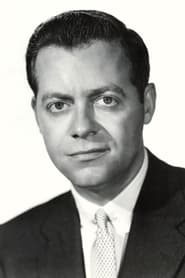
Max Showalter
Actor
Born: June 2, 1917 in Caldwell, Kansas, USA Died: July 30, 2000 Active: 1942-1990 Birth Name: Max Showalter (also used professional name Casey Adams)
Films
1 film
About Max Showalter
American character actor: nearly five decades in Hollywood, though he was most active from the 1940s through the 1980s. Born in Kansas in 1917, Showalter began his entertainment career as a radio performer before transitioning to film in the early 1940s under the stage name Casey Adams. Max appears in over 100 films and television shows, often playing affable, middle-class characters with a distinctive everyman quality. Showalter's career included notable roles in classic films like 'The Seven Year Itch' (1955), 'The Music Man' (1962), and 'Indestructible Man' (1956). In his later years, he found renewed recognition with appearances in John Hughes films including 'Sixteen Candles' (1984) and 'National Lampoon's Vacation' (1983). Beyond acting, Showalter was also a talented composer and pianist, contributing music to several productions. He retired from acting in the 1990s and spent his final years in Connecticut before passing away in 2000 at the age of 83.
The Craft
On Screen
Showalter specialized in playing affable, often bumbling but endearing characters with a distinctive Midwestern charm. His performances were characterized by a warm, approachable demeanor and impeccable comic timing. He had a natural ability to portray both authority figures and everyday working-class men with equal authenticity. Showalter's acting style was understated yet memorable, often stealing scenes with minimal dialogue through expressive facial reactions and physical comedy. His voice work was particularly distinctive, with a rich, warm baritone that became instantly recognizable to audiences of classic films and television.
Milestones
- Film debut under name Casey Adams in 'The Man Who Walked Alone' (1945)
- Appeared in Marilyn Monroe classic 'The Seven Year Itch' (1955)
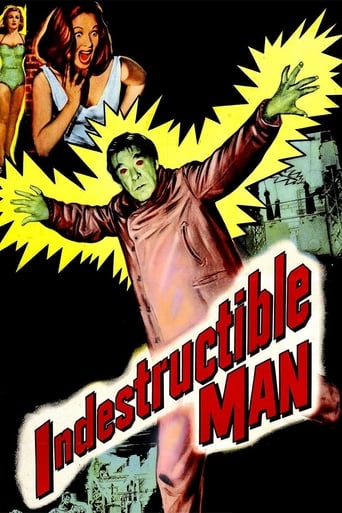
- Starred in horror film 'Indestructible Man' (1956)
- Featured in musical 'The Music Man' (1962)
- Career resurgence with John Hughes films in the 1980s
- Final film appearance in 'My Life' (1993)
Best Known For
Iconic Roles
Must-See Films
Accolades
Special Recognition
- Character actor recognition in film retrospectives
- Posthumous appreciation in classic film circles
Working Relationships
Worked Often With
Studios
Why They Matter
Impact on Culture
Max Showalter represented the quintessential character actor of Hollywood's golden era and beyond, embodying the reliability and craftsmanship that supporting players brought to hundreds of films. His ability to seamlessly transition from the studio system era to independent films and television in later decades demonstrated remarkable adaptability in an ever-changing industry. Showalter's work in the 1950s horror genre, particularly 'Indestructible Man,' contributed to the development of B-movie character archetypes that would influence similar productions for decades. His later career resurgence in John Hughes films introduced him to a new generation, bridging the gap between classic Hollywood and contemporary cinema. Showalter's enduring presence across multiple decades of American film history makes him a representative figure of the journeyman actor whose consistent work formed the backbone of Hollywood's output.
Lasting Legacy
Max Showalter's legacy lies in his embodiment of the reliable character actor who elevated every production through his presence, no matter how small the role. His career shows the importance of supporting actors in creating the classic American cinema. Showalter's ability to work consistently across five decades, from the studio system through the New Hollywood era and into the modern blockbuster period, demonstrates remarkable professional longevity. Posthumously, he has been celebrated in film retrospectives and character actor appreciation events, with particular attention paid to his contributions to both classic Hollywood films and 1980s teen comedies. His performances continue to be studied by acting students as examples of how to create memorable characters with limited screen time.
Who They Inspired
Showalter influenced generations of character actors through his demonstration of how to create distinctive, memorable performances in supporting roles. His work in the 1950s established templates for the 'everyman' character that would appear in countless subsequent films. Younger actors who worked with him in his later career, particularly in John Hughes films, often spoke of learning from his professionalism and his ability to enhance scenes without dominating them. Showalter's approach to character acting—creating fully realized personalities with minimal dialogue and maximum impact—has become a touchstone for character actors studying the craft. His career trajectory also provided a model for actors seeking to maintain relevance across different eras of filmmaking.
Off Screen
Max Showalter was married twice during his lifetime. His first marriage was to actress and singer Merry Anders, though the marriage ended in divorce. He later married his second wife, with whom he remained until his death. Showalter was known to be a private individual who kept his personal life largely out of the public eye, focusing instead on his craft and professional relationships within the entertainment industry. He had no children from either marriage.
Education
Attended local schools in Kansas; self-taught in music and performance arts
Family
- Merry Anders (1955-1960)
- Second wife (1960s-2000)
Did You Know?
- Early in his career, he used the stage name Casey Adams before reverting to his real name
- Was a talented composer and pianist who wrote music for several productions
- Appeared in over 100 films and television shows throughout his career
- Worked with Marilyn Monroe in two films: 'The Seven Year Itch' and 'Bus Stop'
- His career experienced a significant resurgence in the 1980s through John Hughes films
- Was a veteran of World War II service before beginning his acting career
- Often played characters who were slightly older than his actual age
- His distinctive voice made him a popular choice for radio work early in his career
- Never received top billing but was consistently employed throughout his career
- Was known among directors for his reliability and professionalism on set
In Their Own Words
As a character actor, you learn to make your mark in limited time. Every line, every gesture has to count.
I never needed to be the star. I just wanted to be part of telling good stories.
Working with Marilyn Monroe was extraordinary—she had this magical quality that the camera just loved.
The transition from Casey Adams back to my real name felt like coming home to myself.
Being in those John Hughes films was like being reborn to a new audience that appreciated character work.
Frequently Asked Questions
Who was Max Showalter?
Screen credits include over 100 films and television shows from the 1940s through the 1990s. He was known for his distinctive everyman quality and appeared in classics like 'The Seven Year Itch' and later in John Hughes films such as 'Sixteen Candles'.
What films is Max Showalter best known for?
Titles linked here include The Seven Year Itch (1955), Indestructible Man (1956).
When was Max Showalter born and when did he die?
Born June 2, 1917; died July 30, 2000.
What awards did Max Showalter win?
While Max Showalter did not receive major industry awards during his career, he was recognized posthumously for his contributions as a character actor in film retrospectives and classic cinema appreciation events. His legacy lies in his consistent work across five decades of American film.
What was Max Showalter's acting style?
Showalter specialized in playing affable, often bumbling but endearing characters with distinctive Midwestern charm. His performances featured warm, approachable demeanor, impeccable comic timing, and the ability to create memorable characters with minimal screen time through expressive reactions and physical comedy.