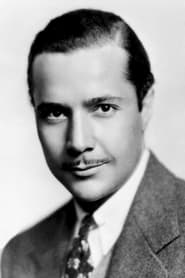
Don Alvarado
Actor
Born: November 4, 1904 in Albuquerque, New Mexico, USA Died: June 13, 1967 Active: 1928-1931 (acting), 1932-1967 (agent/producer) Birth Name: José Paige
Films
5 films
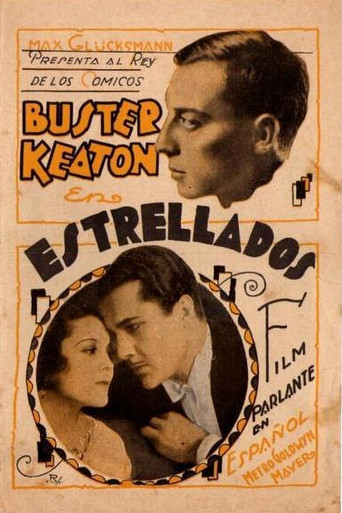
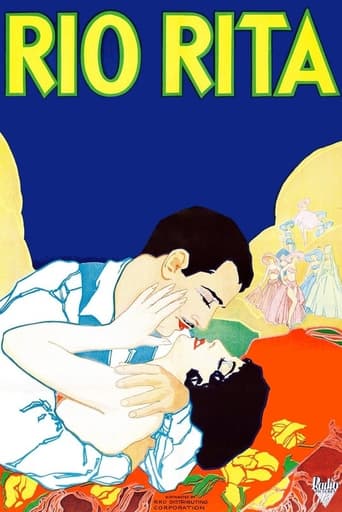
About Don Alvarado
Mexican-American actor who rose to prominence during Hollywood's transition from silent films to talkies in the late 1920s. Born José Paige, he adopted the screen name Don Alvarado and capitalized on the era's fascination with Latin lovers, appearing in numerous romantic dramas and adventure films. His career peaked between 1928 and 1931, where he starred alongside notable leading ladies of the period. After his acting career waned with the advent of more sophisticated sound films, Alvarado successfully transitioned to become a talent agent, representing major Hollywood stars. He leveraged his industry connections and bilingual abilities to help bridge the gap between Hollywood and Latin American cinema markets. Later in life, he also worked as a producer and director on Spanish-language films. His career trajectory mirrored the changing landscape of early Hollywood, from the height of silent cinema's romanticism to the new challenges and opportunities of the sound era.
The Craft
On Screen
Don Alvarado specialized in the 'Latin lover' archetype popular in late silent cinema, characterized by passionate, romantic performances with exaggerated gestures suited to silent film expression. His screen presence combined rugged masculinity with romantic sensitivity, making him ideal for adventure films and romantic dramas. As sound films evolved, his style adapted to incorporate more nuanced vocal performances while maintaining his signature romantic intensity.
Milestones
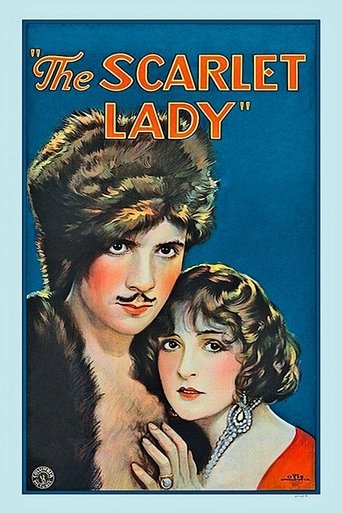
- Breakthrough role in The Scarlet Lady (1928)
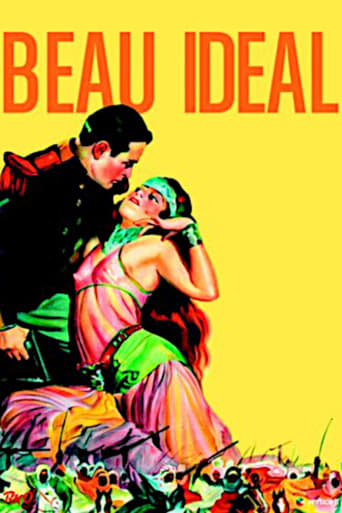
- Leading role in Beau Ideal (1931)
- Transition to successful talent agent career
- Produced Spanish-language films in the 1940s
- Represented major Hollywood stars as an agent
Best Known For
Iconic Roles
Must-See Films
Accolades
Special Recognition
- Star on the Hollywood Walk of Fame
Working Relationships
Worked Often With
Studios
Why They Matter
Impact on Culture
Don Alvarado represented the important but often overlooked contribution of Mexican-American actors during Hollywood's formative years. As one of the few Latino leading actors of his era, he helped establish the 'Latin lover' trope that would influence cinema for decades. His successful transition from actor to agent demonstrated the entrepreneurial possibilities available to industry insiders and helped open doors for other Latin talent in Hollywood. His work in Spanish-language film production contributed to the early development of cross-border cinema between Hollywood and Latin America.
Lasting Legacy
Though his acting career was relatively brief, Don Alvarado's legacy endures through his impact as a talent agent who helped shape Hollywood's treatment of Latino performers. He represents an important chapter in the history of Mexican-Americans in cinema, bridging the gap between the silent era's romanticism and the more sophisticated sound era. His career trajectory from leading man to behind-the-scenes power broker exemplifies the adaptability required for longevity in the film industry.
Who They Inspired
Alvarado influenced subsequent generations of Latino actors by demonstrating that success in Hollywood could extend beyond on-screen performance. His work as an agent helped create opportunities for other Hispanic performers during a period when typecasting was common. His bilingual abilities and cultural understanding made him a pioneer in facilitating Hollywood's expansion into Spanish-language markets, influencing how studios approached international productions.
Off Screen
Don Alvarado married actress Ann Dvorak in 1932, though their marriage ended in divorce. He was known for his smooth transition from acting to talent representation, using his industry knowledge and connections to build a successful second career. He maintained strong ties to his Mexican-American heritage throughout his life and was instrumental in promoting Latin American talent in Hollywood. His bilingual abilities made him particularly valuable during the era when Hollywood was producing Spanish-language versions of popular films.
Education
Limited information available, likely received formal education in New Mexico before pursuing acting career in Hollywood
Family
- Ann Dvorak (1932-1940)
Did You Know?
- Born José Paige but changed his name to Don Alvarado to capitalize on the popularity of Latin actors in the 1920s
- Was one of the few Mexican-American leading actors during the silent film era
- Successfully transitioned from acting to talent representation, a rare career move at the time
- Spoke fluent Spanish and English, making him valuable during Hollywood's Spanish-language film production boom
- His marriage to Ann Dvorak was
- Worked as a talent agent for major studios including MGM and Warner Bros.
- Produced several Spanish-language films in the 1940s, helping bridge Hollywood and Latin American cinema
- His active years covered both the silent and sound eras, making him a transitional figure in Hollywood history
- Died in Hollywood at the age of 62, having spent nearly four decades in the film industry
- Was often cast in adventure films and romantic dramas, typical of the Latin lover archetype
Frequently Asked Questions
Who was Don Alvarado?
Mexican-American with credits in this catalog. Born José Paige, he became known for his roles in romantic dramas and adventure films, particularly as the 'Latin lover' type. After his acting career ended, he successfully transitioned to become a talent agent and producer in Hollywood.
What films is Don Alvarado best known for?
Titles linked here include The Scarlet Lady (1928), Beau Ideal (1931).
When was Don Alvarado born and when did he die?
Born November 4, 1904; died June 13, 1967.
What awards did Don Alvarado win?
While Don Alvarado did not receive major acting awards during his career, he was honored with a star on the Hollywood Walk of Fame for his contributions to the film industry. His greatest recognition came from his successful transition to talent representation, where he represented numerous Hollywood stars and helped advance Latino representation in cinema.
What was Don Alvarado's acting style?
Don Alvarado specialized in the 'Latin lover' archetype popular in late silent cinema, characterized by passionate romantic performances with dramatic gestures suited to silent film expression. His style combined rugged masculinity with romantic sensitivity, making him ideal for adventure films and romantic dramas. As sound films evolved, he adapted his style to incorporate more nuanced vocal performances while maintaining his signature romantic intensity.