
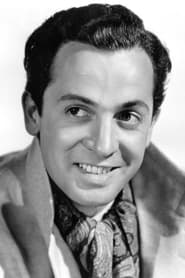
Edward Norris
Actor
Born: March 11, 1911 in Philadelphia, Pennsylvania, USA Died: December 18, 2002 Active: 1932-1955 Birth Name: Edward Norris Waldron
Films
1 film
About Edward Norris
American actor who worked during Hollywood's Golden Age, appearing in numerous films from the early 1930s through the 1950s. Born Edward Norris Waldron in Philadelphia, he began his career as a model before transitioning to acting, initially working in small roles before gaining more substantial parts. He became a familiar face in Hollywood's studio system, particularly at Warner Bros., where he often played supporting roles in dramas and occasionally romantic leads. Norris appeared in over 80 films throughout his career, working alongside many of the era's biggest stars including James Cagney, Humphrey Bogart, and Bette Davis. His career trajectory was typical of many contract players of the time, with roles ranging from leading man in B pictures to character parts in A-list productions. After his film career declined in the 1950s, he made occasional television appearances before retiring from acting and eventually passing away in 2002 at the age of 91.
The Craft
On Screen
Norris was known for his naturalistic acting style that fit well with the transitioning Hollywood sound era. He had a clean-cut, all-American appearance that made him suitable for both romantic leads and supporting character roles. His performances were marked by a straightforward, unpretentious approach that made him believable in a variety of genres from crime dramas to comedies. While not a method actor, he brought authenticity to his roles through his understated delivery and relatable screen presence.
Milestones
- Signed contract with Warner Bros. In 1930s
- Appeared in over 80 films
- Starred in 'The Gorilla' (1939)
- Worked with major Hollywood stars
- Transitioned to television in 1950s
Best Known For
Iconic Roles
Must-See Films
Working Relationships
Worked Often With
Studios
Why They Matter
Impact on Culture
Edward Norris represents the typical Hollywood contract player system of the 1930s and 1940s, where actors worked steadily across multiple genres and productions. While never achieving top-tier stardom, his consistent presence in films of the era contributed to the Golden Age Hollywood cinema. His work in supporting roles helped establish the foundation upon which bigger stars could shine, demonstrating the importance of ensemble casting in classic films. Norris's career trajectory also illustrates the challenges many actors faced when the studio system began to decline in the 1950s.
Lasting Legacy
Edward Norris's legacy lies in his extensive body of work that serves as a valuable record of Hollywood's Golden Age. His films, particularly those from the Warner Bros. Era, remain important examples of studio system filmmaking and continue to be studied by film historians and classic cinema enthusiasts. While not a household name today, his contributions to over 80 films helped shape the landscape of American cinema during one of its most productive periods. His career serves as a representative example of the journey of many character actors who provided essential support to the star system.
Who They Inspired
As a supporting actor rather than a major star, Edward Norris's direct influence on subsequent generations of actors is less documented than that of leading performers. However, his professional approach and versatility in handling various roles exemplified the work ethic and adaptability that became valuable traits for character actors in later decades. His ability to transition between different genres and work with various directors demonstrated the kind of flexibility that would become increasingly important in the post-studio system era.
Off Screen
Edward Norris led a relatively private personal life compared to many Hollywood stars of his era. He was married and had children, though details about his family life are not extensively documented in film history sources. Unlike many of his contemporaries, he managed to avoid major scandals and maintained a steady professional reputation throughout his career. After retiring from acting, he lived out his later years away from the public eye.
Education
Limited public information available about his formal education
Family
- Ann Sheridan (1936-1939)
Did You Know?
- Was briefly married to actress Ann Sheridan from 1936-1939
- Started his career as a model before entering films
- Appeared in multiple films with James Cagney and Humphrey Bogart
- His real name was Edward Norris Waldron
- Worked primarily as a contract player for Warner Bros. In the late 1930s
- Appeared in 'The Gorilla' (1939) starring the Ritz Brothers
- Made the transition to television in the early 1950s
- Retired from acting in the mid-1950s
- Lived to be 91 years old, passing away in 2002
- Never achieved leading man status but had a steady career as a supporting actor
In Their Own Words
Limited documented famous quotes from Edward Norris
Frequently Asked Questions
Who was Edward Norris?
American with credits in this catalog.
What films is Edward Norris best known for?
Titles linked here include The Gorilla (1939), G-Men (1935).
When was Edward Norris born and when did he die?
Born March 11, 1911; died December 18, 2002.
What awards did Edward Norris win?
Edward Norris did not receive any major awards or nominations during his career, which was typical for many supporting actors of the studio system era.
What was Edward Norris's acting style?
Norris was known for his naturalistic, straightforward acting style with a clean-cut appearance that made him suitable for both romantic leads and supporting roles across various genres.
Was Edward Norris married to any famous actresses?
Yes, Edward Norris was briefly married to actress Ann Sheridan from 1936 to 1939, during which time both were under contract to Warner Bros.