
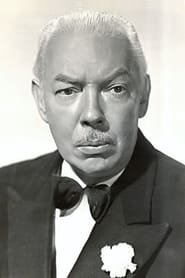
Nicholas Joy
Actor
Born: December 27, 1882 in New York City, New York, USA Died: October 30, 1958 Active: 1915-1948
Films
1 film
About Nicholas Joy
American character actor: from the stage to the silver screen during Hollywood's Golden Age. Born into a theatrical family, he began his career on Broadway in the early 1900s, establishing himself as a reliable supporting actor in numerous productions before transitioning to films in the 1930s. Joy quickly became typecast in roles that capitalized on his dignified, patrician demeanor, often playing judges, doctors, aristocrats, and other authority figures. His film career flourished during the 1940s when he appeared in over two dozen films, working with major studios like MGM, Warner Bros., and Paramount. Despite never achieving leading man status, Joy's consistent performances made him a valuable character actor recognized by audiences and respected by his peers. His final film appearances came in the late 1940s, after which he largely retired from acting. Throughout his career, Joy maintained the professionalism and craft learned from his extensive stage experience, bringing a theatrical gravitas to even his smallest film roles.
The Craft
On Screen
Joy's acting style was characterized by his dignified, patrician presence and precise diction honed from years of stage experience. He brought a theatrical gravitas to his film roles, delivering lines with measured authority and maintaining an air of sophistication that made him perfect for portraying judges, doctors, and members of high society. His technique was rooted in classical training, emphasizing clear enunciation and controlled, deliberate movements rather than the more naturalistic style that would later dominate cinema.
Milestones
- Broadway stage debut in 1915
- Film debut in 'The Story of Vernon and Irene Castle' (1939)
- Memorable role in 'Dishonored Lady' (1947)
- Appeared in over 30 films during his career
- Known for playing authority figures and aristocrats
Best Known For
Iconic Roles
Must-See Films
Working Relationships
Worked Often With
Studios
Why They Matter
Impact on Culture
Nicholas Joy contributed to the Hollywood's Golden Age as part of the essential supporting cast that gave classic films their depth and authenticity. His consistent portrayals of authority figures helped establish the visual language of American cinema, where character actors like Joy provided the necessary credibility and gravitas to support leading stars. Though never a household name, his work in film noir and drama helped define the genre conventions of the 1940s, particularly in his ability to convey both respectability and underlying menace when required.
Lasting Legacy
Nicholas Joy's legacy lies in his contribution to the golden age of Hollywood as a reliable character actor who elevated every production he appeared in. His extensive stage background brought theatrical legitimacy to film roles, helping bridge the gap between stage acting and the evolving medium of cinema. Today, film scholars and classic movie enthusiasts recognize him as part of the essential fabric of 1940s cinema, one of the many skilled actors who made the studio system's productions memorable and authentic.
Who They Inspired
While not a major star who influenced generations of actors, Joy's professional approach and consistent quality set a standard for character actors working in the studio system. His ability to transform into various authority figures demonstrated the importance of supporting roles in creating believable cinematic worlds. His work in film noir particularly showed how character actors could contribute to the genre's atmosphere of moral ambiguity and psychological tension.
Off Screen
Nicholas Joy was married to actress Margaret Dale, with whom he often shared the stage in Broadway productions. The couple maintained a relatively private life away from the Hollywood spotlight, focusing on their theatrical careers. Joy was known among his colleagues as a dedicated professional who took his craft seriously and was always prepared for his roles. Despite his success in films, he maintained a deep connection to the theater throughout his life.
Education
Educated in New York City, with additional theatrical training in the early 1900s
Family
- Margaret Dale (married 1925-1958)
Did You Know?
- Began his career on Broadway before transitioning to films
- Often played judges, doctors, and other authority figures due to his dignified appearance
- Appeared in three films directed by Fritz Lang
- Was married to actress Margaret Dale for over 30 years
- His film career was relatively brief but prolific, spanning roughly a decade
- Despite being born in New York, he often played British characters
- Retired from acting shortly after his appearance in 'The Big Clock' (1948)
- Was part of the stock company at MGM Studios in the 1940s
- His final film appearance was without on-screen billing in 'The Big Clock'
- Maintained his stage presence and diction throughout his film career
Frequently Asked Questions
Who was Nicholas Joy?
American character with credits in this catalog. He began his career on Broadway before transitioning to films, where he appeared in over 30 movies, often playing judges, doctors, and aristocrats.
What films is Nicholas Joy best known for?
Titles linked here include Dishonored Lady (1947), The Woman in the Window (1944).
When was Nicholas Joy born and when did he die?
Born December 27, 1882; died October 30, 1958.
What awards did Nicholas Joy win?
Nicholas Joy did not receive major awards or nominations during his career. Like many character actors of his era, his contributions were recognized through consistent employment and the respect of his colleagues rather than formal accolades.
What was Nicholas Joy's acting style?
Nicholas Joy's acting style was characterized by his theatrical training, featuring precise diction, dignified presence, and controlled movements. He brought a gravitas to his roles that made him particularly effective as authority figures, maintaining a classical approach even as film acting evolved toward naturalism.
Was Nicholas Joy married?
Yes, Nicholas Joy was married to actress Margaret Dale from 1925 until his death in 1958. The couple often worked together in theatrical productions and maintained a relatively private life away from the Hollywood spotlight.