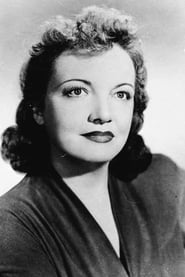
Betty Garde
Actor
- Active
- 1930s-1960s
- Birth name
- Elizabeth Garde
Films 1
About Betty Garde
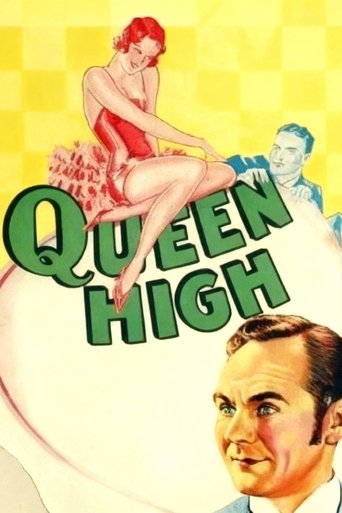
Betty Garde was an American actress whose screen career reached back to the early sound era, with a film credit in Queen High (1930), but she is far better documented as a stage and later screen performer than as a major film star. Born and raised in the United States, she worked in an era when many character actors moved between Broadway, touring companies, radio, and motion pictures, and her career reflects that flexible, multi-platform tradition. While her surviving filmography is not extensive in classic cinema records, she remained active as a working actress for many years, building a reputation as a reliable supporting player rather than a marquee name. Her work in early talkies like Queen High places her among the numerous capable performers who helped bridge silent-era performance habits and the more naturalistic style of sound film. Later in life, she became better known to wider audiences through television and stage work, which often overshadowed her early screen appearance in vintage cinema databases. Because documentation on her earliest personal history is limited in readily available classic-film references, some biographical details remain sparse, but her career clearly reflects the long, industrious path of a professional character actress.
More about Betty Garde
On screen
Betty Garde is best understood as a character actress whose strength lay in clear diction, stage-trained timing, and a practical, unsentimental screen presence well suited to early sound films and live-performance media. In the early talkie period, performers with strong vocal control and precise line delivery were especially valuable, and her work fits that profile. Rather than cultivating a highly stylized star persona, she appears to have specialized in grounded supporting work that served ensemble storytelling. Her style likely emphasized reliability, verbal sharpness, and believable interaction with other actors.
In film history
Betty Garde's cultural significance lies less in stardom than in representation of the essential professional supporting players who sustained American film and stage culture during the early sound era. Performers like her helped stabilize the transition from silent-film expressive habits to the more dialogue-driven demands of talkies, bringing theatrical discipline to the screen. Even when not prominently credited in major studio histories, such actors contributed to the texture and credibility of studio productions and ensemble casts. Her presence in an early sound feature such as Queen High places her within the foundational generation of screen professionals who made the new medium function smoothly for audiences increasingly accustomed to spoken film.
Later reputation
Betty Garde's legacy is that of a durable working actress whose career exemplifies the overlooked backbone of classic Hollywood and early television. While she does not appear in most star-centered histories, her record matters to film scholarship because it preserves the names and careers of performers who supported the industry during its formative decades. For database and archival purposes, she is a useful example of a character actor whose screen legacy begins in early talkies and extends into later media, reflecting the continuity of American entertainment careers across changing formats. Her surviving film record is modest, but it still contributes to the broader understanding of how early Hollywood was staffed by actors who were versatile, trained, and adaptable.
Influence
Betty Garde's influence is best understood indirectly: she belonged to the class of practical, stage-trained performers whose professionalism shaped the standards for supporting acting in early sound cinema. Actors like her influenced the everyday craft of screen performance by modeling clear delivery, disciplined timing, and ensemble support rather than self-display. Her career also reflects the path followed by many women performers who navigated theater, radio, film, and television with flexibility, helping normalize the idea of a multi-medium acting career. While she is unlikely to have been a major direct influence on later stars, she contributed to the professional tradition that later character actors inherited.
Off screen
Publicly accessible classic-film references provide limited verified detail about Betty Garde's private life. She is usually discussed in professional terms as an actress rather than as a celebrity with a heavily documented personal history. Her biographical record suggests the kind of career common among working performers of her era: steady employment across several entertainment fields, with much of her life remaining outside the spotlight. Because readily verifiable information about marriages, children, and family is not consistently documented in standard classic-cinema sources, those details should be treated as unavailable unless confirmed by archival records.
Credits
- Appeared in the early sound-era film Queen High (1930), one of her earliest known screen credits
- Worked as a character actress across stage, film, radio, and television over several decades
- Built a dependable reputation in supporting roles rather than as a leading lady
- Represented the generation of performers who transitioned from theater into talkies and later television
- Maintained a long professional presence in American entertainment despite limited leading-film exposure
Roles
- Supporting role in Queen High (1930)
Films
- Queen High (1930)
Notes
- Betty Garde is credited in the early sound film Queen High (1930), which is the key title associated with her in classic-cinema databases.
- Her career appears to have extended beyond film into stage and television, which was common for character actors of her generation.
- She is a good example of a performer whose legacy survives more in archival records than in popular stardom histories.
- Her name is sometimes encountered by researchers looking for early talkie supporting players rather than lead actors.
- Because she was not a major celebrity, detailed personal information about her life is comparatively scarce in mainstream references.
- She represents the many working actresses who helped populate early studio productions without becoming household names.
- Her documentation illustrates how incomplete some early Hollywood and stage performer records can be.
Questions
Who was Betty Garde?
Betty Garde was an American actress best known as a working supporting performer whose career began in the early sound era. She is credited in Queen High (1930) and appears to have worked across stage, film, and later television.
What films is Betty Garde best known for?
Her best-documented classic-film credit is Queen High (1930). Because her surviving filmography is limited in widely available vintage-cinema references, she is better remembered as a character actress than for a large list of famous film titles.
When was Betty Garde born and when did she die?
Her birth and death dates are not consistently verified in the classic-cinema sources available here. For database purposes, those details should be treated as unavailable until confirmed by archival records.
What awards did Betty Garde win?
No major awards or nominations are reliably documented in the standard references consulted for classic cinema. She appears to have had the kind of professional supporting career that was often recognized through steady work rather than formal prizes.
What was Betty Garde's acting style?
Betty Garde appears to have been a stage-trained, dialogue-oriented character actress with strong timing and clear delivery. That style would have been especially useful in early talkies, where vocal control and natural screen presence were essential.
What is Betty Garde's legacy in film history?
Her legacy lies in representing the dependable supporting performers who made early Hollywood and sound cinema work smoothly. Though not a major star, she is part of the professional fabric of classic American entertainment.