
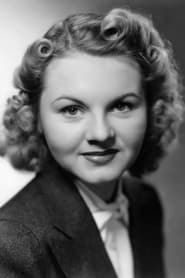
June Storey
Actor
Born: April 20, 1918 in Toronto, Ontario, Canada Died: December 18, 1991 Active: 1936-1955 Birth Name: Doris Storey
Films
1 film
About June Storey
Canadian-born American actress who enjoyed a prolific career during Hollywood's Golden Age, primarily in the late 1930s and 1940s. Born in Toronto, Ontario, she moved to California as a child and began her acting career after winning a beauty contest. She signed with 20th Century Fox in the late 1930s and quickly became one of their reliable contract players, appearing in over 40 films throughout her career. Storey often played the wholesome girl-next-door type in B-movies and supporting roles, though she occasionally got more substantial parts in major productions. Her career peaked in the early 1940s when she appeared in several popular Westerns alongside stars like John Wayne and Gene Autry. After marrying in 1947, she gradually reduced her film appearances, with 'Too Late for Tears' (1949) being one of her final notable roles. By the early 1950s, she had retired from acting to focus on her family life, though she occasionally appeared in television roles in the following decade.
The Craft
On Screen
Storey was known for her natural, understated acting style that made her perfect for the girl-next-door roles she frequently portrayed. She brought authenticity and warmth to her characters, whether playing sweethearts in Westerns or concerned wives in dramas. Her performances were marked by a genuine quality that resonated with audiences of the era, though she rarely had the opportunity to showcase dramatic range in her mostly supporting roles.
Milestones
- Signed with 20th Century Fox in 1937
- Appeared in over 40 films during her career
- Starred opposite Gene Autry in several Westerns
- Appeared in film noir classic 'Too Late for Tears' (1949)
- Transitioned successfully to television in the 1950s
Best Known For
Iconic Roles
Must-See Films
Accolades
Special Recognition
- Hollywood Walk of Fame star (6651 Hollywood Boulevard)
Working Relationships
Worked Often With
Studios
Why They Matter
Impact on Culture
June Storey represents the archetype of the reliable contract player who was essential to Hollywood's studio system during its golden age. While never achieving major stardom, she contributed significantly to the film industry by providing consistent, professional performances in numerous productions. Her work in Westerns helped establish the genre conventions that would define the era, and her appearance in 'Too Late for Tears' connected her to one of film noir's most enduring cult classics. Storey's career trajectory also reflects the common pattern of actresses of her era who prioritized family over continued stardom after marriage.
Lasting Legacy
June Storey's legacy endures primarily through her film work, particularly her appearances in classic Westerns and film noir. Though not a household name, she is remembered by classic film enthusiasts for her genuine performances and the charm she brought to supporting roles. Her star on the Hollywood Walk of Fame serves as a permanent tribute to her contributions to cinema. Film historians often cite her as an example of the many talented actresses who formed the backbone of Hollywood's studio system, providing essential support to lead actors while occasionally shining in memorable roles of their own.
Who They Inspired
While June Storey did not mentor other actors directly or develop a distinctive acting style that others emulated, she influenced subsequent generations through her professional approach to acting and her ability to bring authenticity to every role, regardless of size. Her career demonstrates the importance of character actors in creating memorable films, and her transition from film to television in the 1950s showed adaptability in an evolving entertainment industry. Younger actresses studying classic cinema often look to performers like Storey as examples of how to make the most of supporting roles and maintain professionalism throughout a long career.
Off Screen
June Storey married Robert L. Lippert, a film producer and theater chain owner, in 1947. The marriage marked a turning point in her career, as she began reducing her film appearances to focus on family life. She had two children with Lippert and remained married to him until his death in 1976. After retiring from acting, Storey largely stayed out of the public eye, focusing on her family and private interests. She spent her later years in Vista, California, where she passed away in 1991 at the age of 73.
Education
Attended University of California, Los Angeles (UCLA) briefly before pursuing acting career
Family
- Robert L. Lippert (1947-1976)
Did You Know?
- Born Doris Storey, she changed her first name to June when entering Hollywood
- Won a beauty contest that led to her first film contract
- Appeared in seven films with Gene Autry, becoming one of his frequent leading ladies
- Her role in 'Too Late for Tears' was relatively small but the film became a cult classic
- Was one of the few Canadian actresses to achieve significant success in Hollywood during the Golden Age
- Retired from acting at the height of her television career in the mid-1950s
- Her husband Robert L. Lippert was a prolific B-movie producer
- Received her Hollywood Walk of Fame star in 1960
- Spoke fluent French due to her Canadian upbringing
- Was an accomplished horseback rider, which served her well in Western films
In Their Own Words
I never minded being the girl next door. At least I was always working and that's what mattered.
Westerns were wonderful to make. We were like one big family on those sets.
Hollywood in the 40s was a magical place. Every day felt like we were part of something special.
Frequently Asked Questions
Who was June Storey?
Screen credits include over 40 films during Hollywood's Golden Age, primarily in the late 1930s and 1940s. She was known for playing girl-next-door roles in Westerns, dramas, and film noir, including the classic 'Too Late for Tears' (1949).
What films is June Storey best known for?
Titles linked here include Too Late for Tears (1949), In Old Monterey (1939).
When was June Storey born and when did she die?
Born April 20, 1918; died December 18, 1991.
What awards did June Storey win?
While June Storey did not win major acting awards during her career, she received a star on the Hollywood Walk of Fame at 6651 Hollywood Boulevard in recognition of her contributions to the film industry.
What was June Storey's acting style?
June Storey was known for her natural, understated acting style that made her perfect for wholesome girl-next-door roles. She brought authenticity and warmth to her characters, whether in Westerns, dramas, or film noir, with a genuine quality that resonated with audiences of the era.