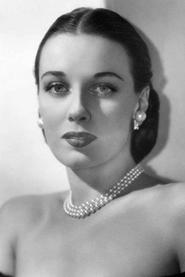
Patricia Morison
Actor
Born: March 19, 1915 in New York City, New York, USA Died: May 20, 2018 Active: 1939-2018 Birth Name: Eileen Patricia Augusta Fraser Morison
Films
1 film
About Patricia Morison
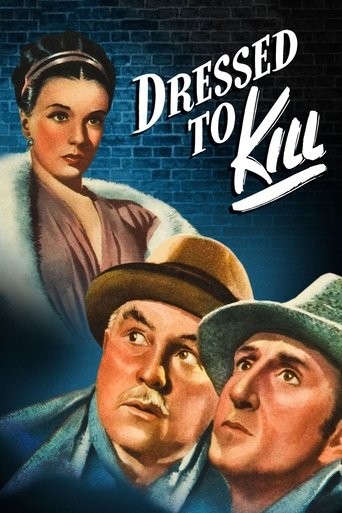
Elegant and sophisticated actress and singer: seven decades across film, television, and theater. Born in New York City in 1915, she began her career in the 1930s, signing with Paramount Pictures where she often played femme fatale roles in film noir and mystery films. Her breakthrough came with her memorable performance as the villainous Hilda Courtney in the Sherlock Holmes film 'Dressed to Kill' (1946) opposite Basil Rathbone. Morison's distinctive contralto voice and striking presence made her a sought-after character actress, appearing in over 30 films during Hollywood's Golden Age. In the 1950s, she successfully transitioned to Broadway, originating the role of Lilli Vanessi/Katherine in Cole Porter's 'Kiss Me Kate' (1948), which became one of her most celebrated achievements. She continued performing well into her 90s, appearing in television shows and maintaining a stage career, ultimately becoming one of the last surviving stars from Hollywood's Golden Age until her death in 2018 at age 103.
The Craft
On Screen
Morison was known for her sophisticated, elegant acting style with a commanding stage presence. She specialized in playing intelligent, complex female characters, often as femme fatales or strong-willed women. Her distinctive contralto voice and precise diction added depth to her performances, while her classical training brought theatrical gravitas to her film roles. She combined Hollywood glamour with theatrical technique, creating memorable characters that were both dangerous and alluring.
Milestones
- Signed with Paramount Pictures in the late 1930s
- Starred as femme fatale in 'Dressed to Kill' (1946)
- Originated role of Lilli Vanessi in Broadway's 'Kiss Me Kate' (1948)
- Performed at the Metropolitan Opera
- Received Theatre World Award for 'Kiss Me Kate'
- Continued performing in television and stage productions into her 90s
- Published her autobiography 'Patricia Morison: A Memoir' in 2015
Best Known For
Iconic Roles
Must-See Films
Accolades
Won
- Theatre World Award for 'Kiss Me Kate' (1949)
- Hollywood Walk of Fame Star (1960)
Special Recognition
- Hollywood Walk of Fame Star (located at 6606 Hollywood Boulevard)
- Theatre World Award winner
- Metropolitan Opera performer
- Golden Age of Hollywood icon recognition
Working Relationships
Worked Often With
Studios
Why They Matter
Impact on Culture
Patricia Morison represented the transition from classical Hollywood cinema to the golden age of Broadway musical theater. Her success in both mediums demonstrated the versatility required of performers in mid-20th century entertainment. As one of the few actresses who successfully moved from film villain roles to Broadway stardom, she paved the way for future performers to cross between different entertainment formats. Her portrayal of strong, intelligent female characters challenged the often limited roles available to women in classic cinema, particularly her femme fatale characters who possessed agency and complexity rather than serving as mere plot devices.
Lasting Legacy
Patricia Morison's legacy endures through her iconic performances in both film and theater, particularly as. Her longevity in the entertainment industry, performing well into her 90s, made her a living link to Hollywood's Golden Age and Broadway's golden era. She is remembered as a performer who combined classical training with popular entertainment, bringing sophistication and intelligence to every role. Her autobiography and numerous interviews in her later years helped preserve the history of mid-20th century American entertainment for future generations.
Who They Inspired
Morison influenced generations of performers by demonstrating the importance of versatility and classical training in entertainment careers. Her success in both dramatic and musical roles showed the value of developing multiple performance skills. Her distinctive contralto voice and elegant presence set a standard for sophisticated female performers in both film and theater. Many subsequent actresses in film noir and musical theater have cited her work as inspiration, particularly her ability to portray complex, intelligent female characters with both strength and vulnerability.
Off Screen
Patricia Morison never married and had no children, dedicating her life entirely to her artistic career. She was known for her independence and professionalism in an era when female performers often faced significant challenges. Morison maintained close friendships with fellow performers and was respected for her intelligence and wit. She lived in New York City for most of her life and was actively involved in charitable work, particularly supporting arts education programs. In her later years, she became a beloved figure in the Broadway community, often attending theater events and mentoring young performers until her death at age 103.
Education
Studied at the American Academy of Dramatic Arts, trained in voice and classical theater, studied opera singing with various vocal coaches throughout her career
Did You Know?
- She was one of the last surviving stars from Hollywood's Golden Age at the time of her death
- Her distinctive contralto voice was so remarkable that she was offered contracts by opera companies
- She appeared in three different Sherlock Holmes films with Basil Rathbone
- Morison was 103 years old when she died, making her one of the longest-lived major Hollywood stars
- She performed at the Metropolitan Opera in addition to her Broadway career
- Her role in 'Kiss Me Kate' was written specifically for her by Cole Porter
- She spoke French fluently and often performed in French-language productions
- Morison — talented painter and her artwork was exhibited in several galleries
- She was offered the role of Mrs. Robinson in 'The Graduate' (1967) but turned it down
- She maintained her acting career well into her 80s, appearing in television shows like 'Murder, She Wrote'
In Their Own Words
I never wanted to be a star. I wanted to be an actress.
The theater has always been my first love. There's nothing like the connection with a live audience.
Playing villains was always more interesting than playing good girls. They have more dimension.
Cole Porter wrote 'I Hate Men' for me in 'Kiss Me Kate', and I sang it with great conviction every night!
I've been lucky to have worked in so many different mediums, but the stage will always be home.
Frequently Asked Questions
Who was Patricia Morison?
American actress and singer known for her elegant performances in Hollywood films during the 1940s and her starring role in the original Broadway production of 'Kiss Me Kate'. She had a career spanning seven decades and was particularly famous for playing sophisticated femme fatales in film noir and mystery films.
What films is Patricia Morison best known for?
Titles linked here include Dressed to Kill (1946), The Song of Bernadette (1943).
When was Patricia Morison born and when did she die?
Born March 19, 1915; died May 20, 2018.
What awards did Patricia Morison win?
She won the Theatre World Award for her performance in 'Kiss Me Kate' in 1949 and received a star on the Hollywood Walk of Fame. She was also recognized for her contributions to both film and theater throughout her long career.
What was Patricia Morison's acting style?
Morison was known for her sophisticated and elegant acting style, specializing in intelligent, complex female characters. She brought classical training and theatrical gravitas to her film roles, combined with a distinctive contralto voice and commanding presence that made her particularly effective as femme fatales and strong-willed women.