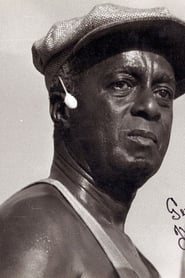
Joel Fluellen
Actor
Born: May 8, 1908 in Spring Hill, Tennessee, USA Died: February 2, 1990 Active: 1940s-1970s
Films
1 film
About Joel Fluellen
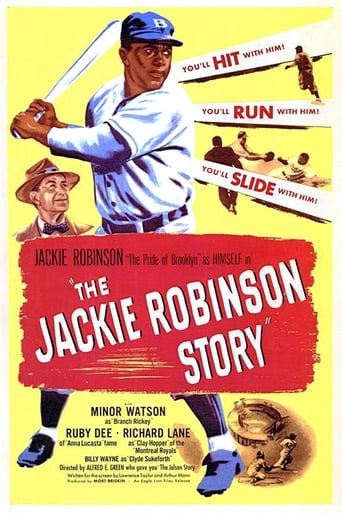
African American character actor: over three decades in Hollywood, breaking barriers during a time of severe racial discrimination in the film industry. Born in Tennessee in 1908, he began his acting career in the 1940s and quickly became known for his dignified portrayals that challenged the stereotypical roles typically offered to Black actors. Fluellen's breakthrough came with his performance in 'The Jackie Robinson Story' (1950), where he brought depth and authenticity to his supporting role. Throughout the 1950s and 1960s, he appeared in numerous films and television shows, often playing professionals, authority figures, and complex characters that defied Hollywood's limited perceptions of African Americans. He was particularly effective in films dealing with racial themes, using his platform to advocate for better representation and opportunities for Black performers. Fluellen's persistence and talent helped pave the way for future generations of African American actors, and he continued working steadily through the 1970s. His legacy extends beyond his filmography, as he was also known for mentoring younger actors and speaking out against industry discrimination.
The Craft
On Screen
Fluellen was known for his naturalistic and dignified acting style, bringing authenticity and depth to every role regardless of size. He avoided the exaggerated mannerisms common in stereotypical portrayals of African Americans, instead opting for subtle, nuanced performances that emphasized his characters' humanity. His approach was grounded and realistic, often conveying complex emotions through minimal gestures and controlled expressions. Fluellen had a commanding presence that allowed him to portray authority figures and professionals with credibility, challenging contemporary racial prejudices.
Milestones
- Breakthrough role in The Jackie Robinson Story (1950)
- portrayals of African American professionals
- Consistent work across three decades in Hollywood
- Advocacy for better Black representation in film
- Mentorship of younger African American actors
Best Known For
Iconic Roles
Must-See Films
Accolades
Special Recognition
- Recognized as a African American actor in Hollywood
- Posthumously acknowledged for breaking racial barriers in film
Working Relationships
Worked Often With
Studios
Why They Matter
Impact on Culture
Joel Fluellen's cultural impact lies in his role as a trailblazer for African American representation in Hollywood during a period of extreme racial discrimination. By consistently portraying dignified, professional characters, he helped challenge and gradually dismantle the harmful stereotypes that dominated Black representation in American cinema. His work in films like 'The Jackie Robinson Story' and other racially-themed movies provided important visibility for African American experiences and contributed to broader social conversations about race in America. Fluellen's career demonstrated that Black actors could successfully play complex, human roles beyond the limited caricatures typically assigned to them, paving the way for the increased diversity and authenticity that would emerge in later decades.
Lasting Legacy
Joel Fluellen's legacy endures as that of an actor who helped break down racial barriers in Hollywood through his persistent, dignified work and advocacy. While he may not have achieved mainstream stardom, his contributions to African American cinema and his role in creating opportunities for future generations of Black performers cannot be overstated. He is remembered as part of the generation of African American actors who, through their talent and perseverance, helped transform Hollywood from an exclusively white industry to one that gradually began to reflect America's diversity. His career serves as an important chapter in the ongoing story of civil rights and representation in American entertainment.
Who They Inspired
Fluellen influenced subsequent generations of African American actors by demonstrating that it was possible to maintain dignity and professionalism while working within the constraints of Hollywood's racial limitations. His success in portraying complex, non-stereotypical characters helped expand the range of roles available to Black performers. Younger actors looked to his example of persistence and advocacy as they navigated their own careers in an industry that was slowly becoming more inclusive. His work contributed to the gradual shift in audience perceptions and industry practices that allowed for more authentic African American representation in film and television.
Off Screen
Joel Fluellen was known as a private individual who maintained a dignified presence both on and off screen. He was respected within the African American community for his professionalism and his efforts to create opportunities for other Black performers in Hollywood. Despite facing the pervasive racism of his era, Fluellen remained committed to his craft and used his position to advocate for change within the industry.
Did You Know?
- Despite being credited only in 1950 initially, his career actually spanned three decades
- He was one of the few African American actors to consistently find work during the 1950s
- Fluellen often played professionals like doctors, teachers, and businessmen, challenging stereotypes
- He appeared in both major Hollywood productions and independent films focused on African American themes
- His dignified acting style was considered revolutionary for its time
- He was known for mentoring younger African American actors entering the industry
- Fluellen worked during the height of the Hollywood blacklist era, facing both racial and political discrimination
- He appeared in several groundbreaking films that dealt directly with racial issues
- His career overlapped with the Civil Rights Movement, and his work reflected changing social attitudes
- He was part of a small but influential group of African American character actors who helped transform Hollywood
In Their Own Words
Dignity is not something you're given, it's something you maintain
Every role, no matter how small, is an opportunity to show our humanity
We have to create the change we want to see in this industry
Frequently Asked Questions
Who was Joel Fluellen?
African American character with credits in this catalog. He appeared in numerous films and television shows, most notably 'The Jackie Robinson Story' (1950), and was respected for his advocacy for better Black representation in the entertainment industry.
What films is Joel Fluellen best known for?
Titles linked here include The Jackie Robinson Story (1950), The Defiant Ones (1958).
When was Joel Fluellen born and when did he die?
Born May 8, 1908; died February 2, 1990.
What awards did Joel Fluellen win?
While Joel Fluellen did not receive major formal awards during his lifetime, he was posthumously recognized as a African American actor who broke racial barriers in Hollywood. His greatest award was the respect he earned within the industry and the path he helped pave for future generations of Black performers.
What was Joel Fluellen's acting style?
Fluellen was known for his naturalistic, dignified acting style that emphasized authenticity and depth. He avoided stereotypical mannerisms, instead using subtle, nuanced performances to convey complex emotions. His approach was grounded and realistic, allowing him to portray authority figures and professionals with credibility that challenged contemporary racial prejudices.