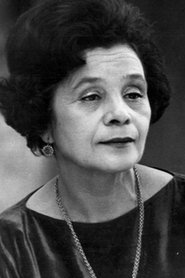
Mariya Vinogradova
Actor
Born: July 13, 1922 in Moscow, Soviet Union Died: July 2, 1995 Active: 1940-1995 Birth Name: Mariya Sergeyevna Vinogradova
Films
3 films
About Mariya Vinogradova
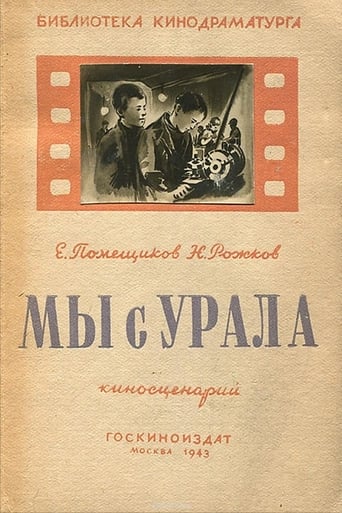
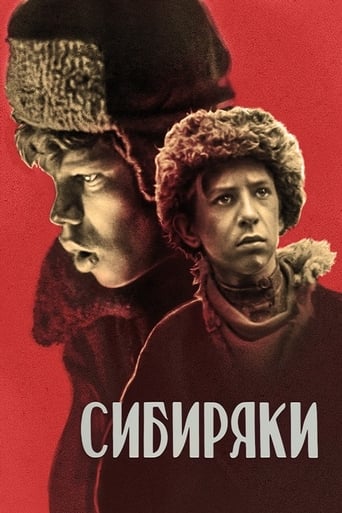
Prolific Soviet actress: over four decades, beginning in the early 1940s during the height of Soviet cinema's golden age. After graduating from the prestigious State Institute of Cinematography (VGIK) in 1943, she quickly established herself as a versatile character actress at the Gorky Film Studio. Her early career featured notable roles in wartime propaganda films like 'Siberians' (1940) and 'We from the Urals' (1943), which showcased her ability to embody the resilient Soviet spirit during World War II. Throughout the 1950s and 1960s, she transitioned into maternal and grandmother roles, becoming recognizable supporting actresses in Soviet cinema. By the 1970s and 1980s, she had appeared in over 100 films, earning the title of Honored Artist of the RSFSR in 1976 for her contributions to Soviet cultural heritage. Her later years saw her continue working actively in both film and television, maintaining her status as a beloved character actress until her death in 1995.
The Craft
On Screen
Vinogradova was known for her naturalistic and emotionally authentic acting style, particularly excelling in portraying working-class Soviet women with warmth and dignity. Her technique emphasized subtle facial expressions and body language, allowing her to convey deep emotions without melodrama. She had a remarkable ability to transform herself for various character types, from youthful revolutionary girls to wise, compassionate matriarchs. Her performances often embodied the ideal Soviet virtues of resilience, selflessness, and community spirit.
Milestones
- Graduated from VGIK in 1943
- Appeared in over 100 films throughout her career
- Awarded Honored Artist of the RSFSR in 1976
- Long-term collaboration with Gorky Film Studio
- Successful transition from young lead roles to character roles
- Prolific work in Soviet television and film
Best Known For
Iconic Roles
Must-See Films
Accolades
Won
- Honored Artist of the RSFSR (1976)
Special Recognition
- Order of the Badge of Honour
- Medal 'For Valiant Labour in the Great Patriotic War 1941-1945'
- Jubilee Medal 'In Commemoration of the 100th Anniversary of the Birth of Vladimir Ilyich Lenin'
Working Relationships
Worked Often With
Studios
Why They Matter
Impact on Culture
Mariya Vinogradova became an iconic figure in Soviet cinema, representing the ideal Soviet woman through her numerous character portrayals. Her films often served as cultural touchstones for Soviet audiences, reflecting and reinforcing socialist values while maintaining emotional authenticity. During the wartime years, her performances in films like 'Siberians' and 'We from the Urals' helped boost morale and strengthen national unity. Her later work in family dramas and social realist films contributed to the development of Soviet cinematic identity and provided audiences with relatable, authentic representations of everyday Soviet life.
Lasting Legacy
Mariya Vinogradova's legacy endures through her extensive filmography, which serves as a valuable historical record of Soviet cinema and society from the 1940s through the 1980s. She is remembered as. Her performances continue to be studied by film scholars and appreciated by classic cinema enthusiasts for their technical excellence and emotional resonance. The Gorky Film Studio archives preserve many of her films, ensuring that future generations can experience her contributions to cinematic art.
Who They Inspired
Vinogradova influenced subsequent generations of Soviet and Russian actresses through her naturalistic acting style and dedication to character development. Her ability to seamlessly transition between different types of roles set a standard for versatility in supporting performances. Many younger actresses cited her work as inspiration for approaching character roles with dignity and authenticity. Her collaborations with prominent Soviet directors helped establish new approaches to portraying women in socialist realist cinema, moving beyond stereotypes to create more nuanced, human characters.
Off Screen
Mariya Vinogradova was married to fellow actor Vladimir Etush,. Their marriage was considered. She maintained a relatively private personal life despite her public fame, focusing on her craft and family. The couple had no children together, but Vinogradova was known to be very close to her extended family and colleagues in the film industry.
Education
Graduated from the State Institute of Cinematography (VGIK) in 1943, where she studied under renowned Soviet acting teachers and developed her craft during the challenging wartime years.
Family
- Vladimir Etush (1946-1995)
Did You Know?
- Appeared in over 100 films during her 55-year career
- Her husband Vladimir Etush was
- She continued acting well into her 70s, appearing in films until her death
- Many of her wartime films were used as propaganda tools during WWII
- She was particularly beloved by Soviet audiences for her 'everywoman' qualities
- Despite her fame, she maintained a modest lifestyle and rarely gave interviews
- Her early death in 1995 came just before major changes in Russian cinema
- She often played characters significantly older than her actual age
- Many of her films are now considered classics of Soviet cinema
- She was known for her professionalism and never missed a shooting day
In Their Own Words
Acting is not about becoming someone else, but about finding the part of yourself that connects with the character
Every role, no matter how small, deserves the same respect and preparation
The camera sees everything - you cannot lie to it
In Soviet cinema, we weren't just making films, we were creating history
My greatest reward was always the audience's emotional response
Frequently Asked Questions
Who was Mariya Vinogradova?
Screen credits include over 100 films from 1940 to 1995, known for her versatile character roles and naturalistic acting style. She was particularly celebrated for portraying working-class Soviet women and became an iconic figure in Soviet cinema during the mid-20th century.
What films is Mariya Vinogradova best known for?
Titles linked here include Siberians (1940), We from the Urals (1943).
When was Mariya Vinogradova born and when did she die?
Born July 13, 1922; died July 2, 1995.
What awards did Mariya Vinogradova win?
Her most significant recognition was being named Honored Artist of the RSFSR in 1976. She also received the Order of the Badge of Honour and several medals including the Medal 'For Valiant Labour in the Great Patriotic War 1941-1945' and the Jubilee Medal commemorating Lenin's centenary.
What was Mariya Vinogradova's acting style?
Vinogradova was known for her naturalistic and emotionally authentic acting style, emphasizing subtle facial expressions and body language over melodrama. She excelled at portraying working-class Soviet women with warmth and dignity, and had a remarkable ability to transform herself for various character types, from youthful revolutionary girls to wise matriarchs.
Was Mariya Vinogradova married?
Yes, she was married to fellow actor Vladimir Etush,. They married in 1946 and remained together until her death in 1995, forming.
How many films did Mariya Vinogradova appear in?
Throughout her 55-year career, Mariya Vinogradova appeared in over 100 films, making her. Her filmography spans from wartime propaganda films to family dramas and social realist classics.
Where did Mariya Vinogradova study acting?
She graduated from the prestigious State Institute of Cinematography (VGIK) in 1943, where she studied under renowned Soviet acting teachers including Sergei Gerasimov and Mikhail Romm. Her education during the wartime years helped shape her distinctive naturalistic acting style.