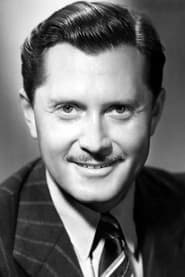
Carl Esmond
Actor
Born: June 14, 1902 in Vienna, Austria-Hungary (now Austria) Died: December 4, 2004 Active: 1928-1968 Birth Name: Karl Simon
Films
1 film
About Carl Esmond
Carl Esmond, born Karl Simon, was an Austrian-born actor who enjoyed a prolific career spanning over four decades in European and American cinema. He began his career in the 1920s as a stage actor in Vienna and Berlin, quickly transitioning to film where he became a popular leading man in German-language productions during the early 1930s. With the rise of the Nazi regime and being of Jewish heritage, Esmond fled Europe in 1936, first to England and then to the United States, where he successfully reinvented himself as a character actor in Hollywood. During World War II, he frequently played German officers and continental sophisticates, utilizing his authentic accent and aristocratic bearing to great effect. His post-war career continued through the 1950s and 1960s with numerous film and television appearances, often typecast as the refined European antagonist or gentleman. Esmond's career trajectory exemplified the journey of many European artists who found success in Hollywood while bringing their continental sophistication to American screens. He retired from acting in the late 1960s and lived in Southern California until his death at age 101.
The Craft
On Screen
Esmond was known for his sophisticated, continental demeanor and aristocratic bearing, which made him ideal for roles as European nobility, military officers, and refined gentlemen. He possessed a natural, understated acting style that conveyed authority and intelligence without excessive dramatic flourishes. His authentic German accent and commanding presence allowed him to bring authenticity to his frequent portrayals of German characters, while his classical training gave him the versatility to handle both dramatic and light comedic roles with equal skill.
Milestones
- Leading man in German cinema (1930-1936)
- Successful transition to Hollywood films (1936-1968)
- Frequent portrayals of German officers during WWII films
- Extensive television work in the 1950s-60s
- Longevity in the industry spanning four decades
Best Known For
Iconic Roles
Must-See Films
Accolades
Special Recognition
- Hollywood Walk of Fame star (6605 Hollywood Blvd)
Working Relationships
Worked Often With
Studios
Why They Matter
Impact on Culture
Carl Esmond represented a bridge between European and American cinema during a critical period in film history. As one of many European actors who fled Nazi persecution, he helped bring continental sophistication to Hollywood while also contributing to the war effort through his portrayals of German characters in propaganda films. His career exemplified how immigrant actors could find success in Hollywood while maintaining their cultural identity. Esmond's frequent casting as German officers during WWII helped shape American perceptions of the enemy while also humanizing these characters through nuanced performances.
Lasting Legacy
Esmond's legacy lies in his contribution to Hollywood's representation of European characters during the Golden Age of cinema. His long career and consistent work ethic demonstrated the value of character actors in supporting leading players and adding authenticity to international settings. His journey from European leading man to Hollywood character actor mirrored the broader story of film industry migration during the 1930s. While never achieving major stardom, his professionalism and versatility made him a valuable presence in hundreds of films and television shows.
Who They Inspired
Esmond influenced subsequent generations of European actors in Hollywood by demonstrating how to successfully transition from leading man roles to character parts while maintaining cultural authenticity. His ability to portray German characters with nuance rather than caricature set a standard for wartime film performances. His longevity in the industry showed younger actors the value of adaptability and professional reliability in building a sustainable career in Hollywood.
Off Screen
Carl Esmond was married twice during his lifetime. His first marriage was to actress Evelyn Keyes in 1942, though the marriage was short-lived and ended in divorce in 1944. He later married Ilse in 1949, with whom he remained until her death. Esmond was known for his private nature and rarely discussed his personal life in interviews. He maintained strong ties to his Austrian heritage throughout his life while becoming a naturalized American citizen. Despite his long career in Hollywood, he never became a household name but enjoyed steady work and respect within the industry.
Education
Trained at the Vienna Academy of Music and Dramatic Arts in the 1920s
Family
- Evelyn Keyes (1942-1944)
- Ilse (1949-1990s)
Did You Know?
- Born Karl Simon, he changed his name to Carl Esmond when he began his film career
- He was fluent in German, English, and French, which helped him secure diverse roles
- Despite frequently playing German officers during WWII, he was Jewish and had fled Nazi persecution
- He lived to be 102 years old, making him one of the longest-lived actors from Hollywood's Golden Age
- He appeared in over 100 films and television shows during his career
- His star on the Hollywood Walk of Fame was awarded in 1960
- He often worked without on-screen billing in early Hollywood films before establishing himself
- He served in the US Army during WWII, making training films while continuing his acting career
- He — classically trained stage actor before transitioning to film
- He maintained his Austrian accent throughout his American career, which became his trademark
In Their Own Words
In Hollywood, they wanted me to play Germans. I was a German, so it was natural. But I always tried to make them human, not just villains.
The stage teaches you discipline. Film teaches you subtlety. I was fortunate to learn both.
When you leave your country, you carry it with you. I was always Austrian, even when I became American.
Frequently Asked Questions
Who was Carl Esmond?
Austrian-born with credits in this catalog. Born Karl Simon, he fled Nazi Germany and became a successful character actor in Hollywood, often playing sophisticated European roles and German officers during WWII films.
What films is Carl Esmond best known for?
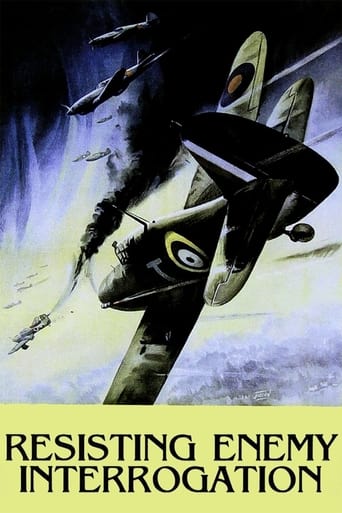
Titles linked here include Resisting Enemy Interrogation (1944), The Story of Dr. Wassell (1944).
When was Carl Esmond born and when did he die?
Born June 14, 1902; died December 4, 2004.
What awards did Carl Esmond win?
While Carl Esmond did not receive major acting awards during his career, he was honored with a star on the Hollywood Walk of Fame at 6605 Hollywood Boulevard in 1960, recognizing his contributions to the film industry.
What was Carl Esmond's acting style?
Esmond was known for his sophisticated, understated acting style characterized by aristocratic bearing and continental demeanor. His authentic German accent and classical training allowed him to bring nuance and authenticity to his frequent portrayals of European characters, particularly German officers.