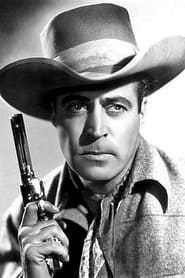
LeRoy Mason
Actor
Born: February 2, 1891 in LaSalle, Illinois, USA Died: October 13, 1947 Active: 1928-1947 Birth Name: LeRoy Franklin Mason
Films
1 film
About LeRoy Mason
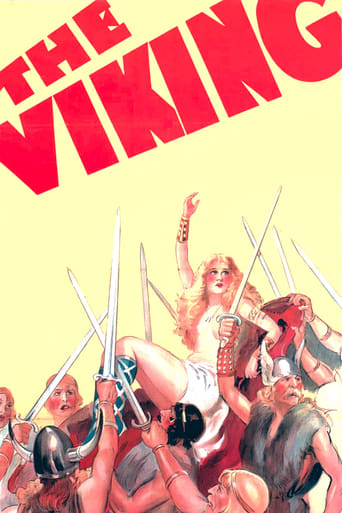
LeRoy Franklin Mason — American character actor whose the transition from silent films to sound pictures during Hollywood's formative years. Born in Illinois in 1891, Mason entered the film industry during the silent era and quickly established himself as a versatile supporting player. His appearance in 'The Viking' (1928) marked him as part of early Technicolor cinema history, as this was one of the first feature films shot entirely in color. Mason successfully navigated the challenging transition to talkies, adapting his acting style for the new medium while maintaining steady employment. Throughout the 1930s and 1940s, he became a familiar face in Westerns, adventure films, and serials, often portraying villains, authority figures, or rugged supporting characters. His prolific career included appearances in over 200 films, making him one of Hollywood's most reliable character actors of his era. Mason continued working until shortly before his death in 1947, leaving behind a substantial body of work that exemplifies the studio system's reliance on dependable supporting talent.
The Craft
On Screen
Mason was known for his commanding screen presence and versatility as a character actor. In silent films, he employed the exaggerated gestures and facial expressions typical of the era, but adapted to a more naturalistic style for talkies. He had a particular talent for playing antagonists and authority figures, using his tall stature and stern demeanor to create memorable characters. His approach was professional and reliable, delivering consistent performances that made him a favorite of directors working on B-movies and serials.
Milestones
- Appeared in 'The Viking' (1928), one of the first feature-length Technicolor films
- Successfully transitioned from silent films to talkies during the late 1920s
- Became a prolific character actor with over 200 film appearances
- Established himself as a reliable villain and supporting player in Westerns
- Worked consistently through the Great Depression and WWII years
Best Known For
Iconic Roles
Must-See Films
Working Relationships
Worked Often With
Studios
Why They Matter
Impact on Culture
LeRoy Mason represents the essential but often overlooked character actors who formed the backbone of Hollywood's studio system. His work in early Technicolor films like 'The Viking' contributed to the technical and artistic development of color cinema. As a prolific supporting player in Westerns, he helped establish many of the character archetypes that would define the genre for decades. Mason's ability to work consistently across multiple studios and genres exemplified the professional journey of countless working actors during Hollywood's Golden Age.
Lasting Legacy
Mason's legacy lies in his extensive body of work that serves as a valuable record of Hollywood's B-movie and serial production during the 1930s and 1940s. His performances in Western serials helped popularize the genre that would become a cornerstone of American cinema. While never a star, Mason's contributions to over 200 films demonstrate the importance of reliable character actors in creating the rich cinematic tapestry of classic Hollywood. His work continues to be studied by film historians interested in the studio system and the development of genre cinema.
Who They Inspired
As a supporting actor, Mason's direct influence on other performers is not extensively documented, but his professional approach and consistent work ethic served as an example for aspiring character actors. His ability to transition between silent films and talkies demonstrated adaptability that many actors struggled with during this period. His performances in Westerns helped establish certain character types that would be emulated by subsequent generations of actors in the genre.
Off Screen
LeRoy Mason led a relatively private life away from the Hollywood spotlight. He married actress Lillian Worth in 1925, and their marriage lasted until his death in 1947. The couple had no children together. Mason was known among his colleagues as a professional and reliable actor who took his craft seriously but avoided the social scene of Hollywood's elite. He maintained a steady career through personal dedication rather than industry connections or publicity.
Education
Limited information available about his formal education, though he likely received some theatrical training before entering films
Family
- Lillian Worth (1925-1947)
Did You Know?
- Appeared in over 200 films during his 19-year career
- Was one of the few actors to appear in both silent and sound versions of the same story
- Often worked under multiple names in early credits, including Roy Mason
- His height of 6'2" made him an imposing presence on screen
- Worked extensively in film serials, appearing in multiple chapters of popular series
- Was a reliable favorite of Republic Pictures for their Western productions
- Never received top billing but was consistently employed throughout his career
- His role in 'The Viking' placed him in cinema history as an early color film participant
- Often played lawmen or villains, rarely romantic leads
- Died shortly after completing his final film, 'The Black Widow' (1947)
In Their Own Words
In an interview about serial work: 'It's steady work and audiences remember your face, even if they don't know your name'
On acting in Westerns: 'Every picture needs a good villain, and I'm proud to have been one of the best'
Frequently Asked Questions
Who was LeRoy Mason?
Screen credits include over 200 films during the transition from silent cinema to sound pictures. He was particularly known for his work in Westerns and film serials, often playing villains or authority figures throughout the 1930s and 1940s.
What films is LeRoy Mason best known for?
Titles linked here include The Viking (1928), The Phantom Empire (1935).
When was LeRoy Mason born and when did he die?
Born February 2, 1891; died October 13, 1947.
What awards did LeRoy Mason win?
As a character actor primarily working in B-movies and serials, LeRoy Mason did not receive major industry awards or nominations. His recognition came from steady employment and the respect of his colleagues in the studio system.
What was LeRoy Mason's acting style?
Mason was known for his commanding presence and versatility, adapting from the exaggerated style of silent films to a more naturalistic approach in talkies. He excelled at playing antagonists and authority figures, using his physical stature and professional demeanor to create memorable supporting characters.