Jay Wilsey
Actor
Born: February 6, 1896 in St. Francisville, Missouri, USA Died: October 25, 1961 Active: 1924-1944 Birth Name: Wilbert Jay Wilsey
Films
1 film
About Jay Wilsey
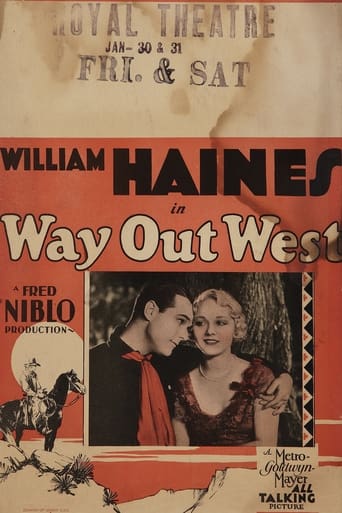
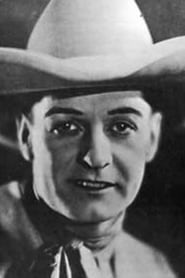
Jay Wilsey, widely known by his screen pseudonym Buffalo Bill Jr., was a prominent fixture in the B-western genre during the transition from silent films to the early sound era. Born Wilbert Jay Wilsey in Missouri, he spent his youth as a genuine cowboy and rodeo performer, skills that would later define his cinematic career when he was discovered by producer Lester F. Scott Jr. In 1924. Throughout the 1920s, he starred in dozens of silent westerns for Action Pictures, often billed as 'Buffalo Bill Jr.' to capitalize on the frontiersman's name despite having no relation. As the industry shifted to talkies, Wilsey successfully made the transition, appearing in early sound features like 'Way Out West' (1930) and starring in a series of ultra-low-budget westerns for independent producers like Victor Adamson. By the mid-1930s, his leading man status evolved into a prolific career as a character actor and stunt performer, frequently appearing alongside stars like John Wayne and Gene Autry. He remained active in the industry until the mid-1940s, eventually retiring to pursue his passion for sailing on his custom-built schooner, the Ruana.
The Craft
On Screen
Wilsey was known for an authentic, rugged screen presence rooted in his real-life experience as a rodeo rider. Unlike the more polished 'singing cowboys' that would follow, his style was characterized by physical athleticism, expert horsemanship, and a straightforward, no-nonsense delivery typical of early B-western heroes.
Milestones
- Signed a major contract with Action Pictures in 1924 as 'Buffalo Bill Jr.'
- Starred in over 30 silent western features during the late 1920s
- Successfully transitioned to sound films with 'Way Out West' (1930)
- Directed and starred in 'Riding Speed' (1934) and 'Trails of Adventure' (1933)
- Performed as a primary stunt double for stars like Charles Starrett in the 1940s
- Appeared in four notable 'Lone Star' westerns alongside John Wayne
Best Known For
Iconic Roles
Must-See Films
Accolades
Special Recognition
- Recognized as a pioneer of the B-Western genre by film historians
- Commemorated in the 'Old Corral' hall of fame for western performers
Working Relationships
Worked Often With
Studios
Why They Matter
Impact on Culture
Key figure in the democratization of the western hero. By adopting the 'Buffalo Bill Jr.' moniker, he helped bridge the gap between the historical legends of the Old West and the burgeoning mythology of Hollywood cinema. He was part of a small group of authentic riders who established the physical standards for movie stunts and western action choreography.
Lasting Legacy
Wilsey's legacy survives through his extensive filmography of nearly 100 films, which serve as a primary record of the 'Poverty Row' western era. He is remembered as.
Who They Inspired
His transition from a leading man to a top-tier stuntman influenced the career trajectories of later western actors who found longevity in the industry by diversifying their physical skills. His authentic riding style set a benchmark for realism in early sound westerns.
Off Screen
Wilsey was the son of a physician, Dr. Albert Ross Wilsey. Before Hollywood, he worked as a 'tractioneer' and performed in Wild West shows. He was married to actress Genée Boutell from 1933 until his death in 1961. In his later years, he became a skilled shipbuilder and sailor, spending much of his retirement at sea.
Education
Educated in Missouri; received practical training in horsemanship and livestock management through the rodeo circuit.
Family
- Genée Boutell (1933-1961)
Did You Know?
- He had no actual relation to the real Buffalo Bill (William F. Cody).
- One of his films, 'Lightning Bill' (1934), is famous among film buffs for a typo in the opening credits that spelled it 'Lighting Bill'.
- He was a close personal friend of John Wayne and appeared in Wayne's film 'Big Jim McLain' (1952) in a small role.
- He built his own 45-foot schooner named 'Ruana' and lived on it for several years.
- Early in his career, he starred opposite a then-unknown Jean Arthur in 'Thundering Romance' (1924).
- He was a champion rodeo rider before entering the film industry.
- Despite his 'Buffalo Bill Jr.' fame, he often preferred to be credited as Jay Wilsey in his later character roles.
In Their Own Words
Thank you! (His brief but memorable dialogue in Big Jim McLain, marking his final screen appearance)
I've done six thousand stunts and I'm still in one piece. (Reflecting on his career in a 1940 interview)
Frequently Asked Questions
Who was Jay Wilsey?
American with credits in this catalog.' He was a real-life cowboy who appeared in nearly 100 films throughout his career.
Was Jay Wilsey related to the real Buffalo Bill?
No, he was not related to William F. Cody (Buffalo Bill). The name 'Buffalo Bill Jr.' was a stage name created by producer Lester F. Scott Jr. To attract audiences to his low-budget western films.
What are Jay Wilsey's most famous films?
He is well-known for the early sound comedy 'Way Out West' (1930) and several westerns with John Wayne, including 'Neath the Arizona Skies' (1934) and 'Texas Terror' (1935).
What was Jay Wilsey's real name?
His birth name was Wilbert Jay Wilsey. While he used 'Buffalo Bill Jr.' for his starring roles in the silent era, he often used his real name for his work in sound films and stunt performances.
What did Jay Wilsey do after retiring from acting?
After retiring from the film industry in the mid-1940s, Wilsey became an avid sailor and shipbuilder. He built a schooner called the 'Ruana' and spent much of his time traveling the seas with his wife, Genée Boutell.