Films
1 film
About Barbara Sheldon
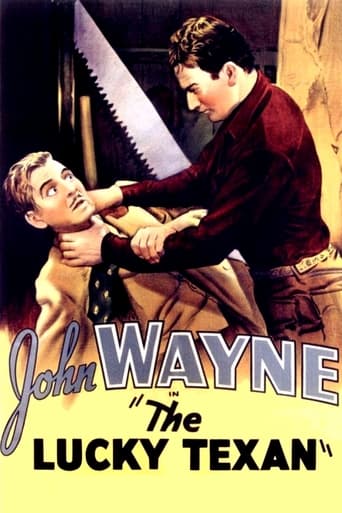
American actress who had a brief but notable appearance in early Hollywood cinema during the mid-1930s. Her career, though short, coincided with the transitional period when Western films were gaining popularity and establishing many of the genre's conventions. Barbara appears in 'The Lucky Texan' (1934), a significant early Western starring John Wayne, which was one of the many low-budget productions that helped establish Wayne's career before he became a major star. Sheldon's role, while not a leading part, placed her within the emerging studio system that was shaping American cinema during the Great Depression era. Like many actors of her time, she likely worked under contract to a studio system that produced films rapidly, often giving actors only brief opportunities to establish themselves in the competitive Hollywood environment. Her single known film appearance suggests she may have been among the many aspiring actors who attempted but did not achieve lasting success in the film industry during this period.
The Craft
Milestones
- Appeared in 'The Lucky Texan' (1934) starring John Wayne
- Worked during the early sound era in Hollywood
- Participated in the Western film genre during its formative years
Best Known For
Iconic Roles
Must-See Films
Working Relationships
Worked Often With
Why They Matter
Impact on Culture
Barbara Sheldon's contribution to cinema, while limited to a single known film appearance, represents the broader ecosystem of Hollywood during the 1930s. Her presence in 'The Lucky Texan' exemplifies how countless actors participated in the studio system, contributing to the development of American film genres even without achieving individual recognition. The film itself is significant as an early John Wayne Western, part of the body of work that helped establish Wayne as a star and defined many conventions of the Western genre. Actors like Sheldon, though often forgotten, were essential components of the film industry's rapid production schedule and helped create the classic Hollywood cinema.
Lasting Legacy
Barbara Sheldon's legacy is primarily that of a representative figure from early Hollywood's vast pool of working actors. Her brief appearance in a notable John Wayne film places her within the historical context of 1930s cinema, a period when the American film industry was establishing many of its enduring genres and star systems. While she did not achieve lasting fame, her participation in 'The Lucky Texan' connects her to the broader narrative of Hollywood's Golden Age and the countless performers who contributed to the era's prolific output.
Who They Inspired
Given her brief film career, Barbara Sheldon did not have a documented influence on other actors or directors. However, like many actors of her era, she contributed to the collective body of work that defined early Hollywood cinema and helped establish the conventions of American film genres, particularly the Western.
Off Screen
Very little is documented about Barbara Sheldon's personal life, which was common for actors who had brief careers in early Hollywood. Many supporting actors from this era left minimal personal records, especially if they did not achieve lasting fame.
Did You Know?
- Appeared in only one known film during her career
- Worked with John Wayne before he became a major star
- Her film career coincided with the Great Depression era
- Participated in the early sound period of Hollywood
- Her film was directed by Robert N. Bradbury
- The Lucky Texan was produced by Lone Star Productions
- Her role came during John Wayne's early period of making numerous low-budget Westerns
- The film was shot at the Iverson Movie Ranch in California
- Her appearance represents the typical career trajectory of many 1930s supporting actors
Frequently Asked Questions
Who was Barbara Sheldon?
American actress active in 1934, known primarily for her appearance in the Western film 'The Lucky Texan' starring John Wayne. Her career appears to have been brief, with only one documented film credit, which was typical of many supporting actors during Hollywood's Golden Age.
What films is Barbara Sheldon best known for?
Titles linked here include The Lucky Texan (1934).
When was Barbara Sheldon born and when did she die?
Unfortunately, detailed biographical information about Barbara Sheldon, including her birth and death dates, is not readily available in historical records. This absence of personal documentation is common for actors who had brief careers in early Hollywood.
What awards did Barbara Sheldon win?
There are no records of Barbara Sheldon receiving any major awards or nominations for her film work. This was typical for many supporting actors during the 1930s, especially those with brief careers in the studio system.
What was Barbara Sheldon's acting style?
Due to the limited documentation of her work and her brief career, there is insufficient information to characterize Barbara Sheldon's specific acting style. Her role in 'The Lucky Texan' would have been typical of the supporting performances in 1930s Western films.
Did Barbara Sheldon work with any famous actors?
Yes, Barbara Sheldon appeared in 'The Lucky Texan' with John Wayne, who would later become one of Hollywood's most iconic stars. The film also featured George 'Gabby' Hayes, who became a well-known character actor in Westerns.
Why is Barbara Sheldon's film career so short?
While specific details about Barbara Sheldon's career are unknown, many actors in 1930s Hollywood had brief careers due to the highly competitive nature of the industry, the studio contract system, and the economic pressures of the Great Depression era.