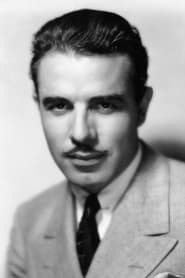
Onslow Stevens
Actor
Born: March 29, 1902 in Los Angeles, California, USA Died: January 5, 1977 Active: 1931-1977 Birth Name: Onslow Ford Stevenson
Films
2 films
About Onslow Stevens
American character actor: over three decades in Hollywood's Golden Age. Born into a theatrical family, he began his career on Broadway before transitioning to films in the early 1930s. Stevens quickly established himself as a versatile performer, adept at playing both sympathetic heroes and menacing villains across various genres including film noir, westerns, and horror. His commanding presence and rich baritone voice made him particularly effective in authoritative roles, often portraying doctors, lawyers, and government officials. Throughout his career, he appeared in more than 100 films, working with major studios including Universal, MGM, and Warner Bros. Stevens was especially notable for his work in Universal's horror films of the 1940s, where he brought depth and sophistication to roles that might otherwise have been one-dimensional. His later career saw him transition successfully to television, where he continued to work steadily until his death in 1977.
The Craft
On Screen
Onslow Stevens was known for his sophisticated and nuanced acting style, characterized by his rich baritone voice and commanding screen presence. He brought a theatrical gravitas to his roles, whether playing heroes or villains, and was particularly skilled at conveying complex emotions through subtle facial expressions and vocal modulation. His background in stage acting gave him a strong foundation in classical techniques, which he adapted effectively for the camera. Stevens had a unique ability to elevate potentially formulaic characters through his intelligent and thoughtful performances.
Milestones
- Broadway debut in 1928
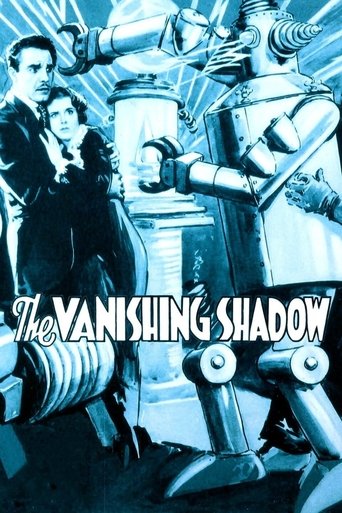
- Film debut in The Vanishing Shadow (1934)
- Starring role in The Mad Doctor of Market Street (1942)
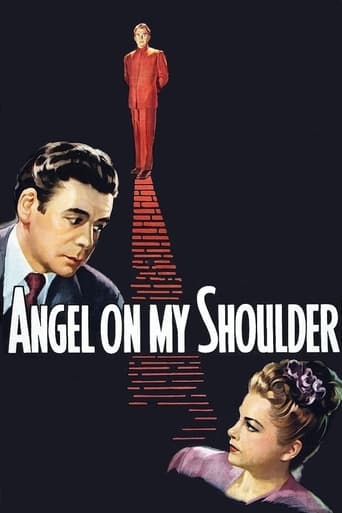
- Memorable performance in Angel on My Shoulder (1946)
- Transition to television in the 1950s
- Final film appearance in The Great Bank Robbery (1969)
Best Known For
Iconic Roles
Must-See Films
Accolades
Special Recognition
- Hollywood Walk of Fame star (located at 6801 Hollywood Boulevard)
Working Relationships
Worked Often With
Studios
Why They Matter
Impact on Culture
Onslow Stevens made significant contributions to the horror film genre during Universal's classic period, helping to elevate these productions beyond simple B-movie status through his sophisticated performances. His work in film noir and mystery films during the 1940s helped define the archetypal authority figures that would become staples of these genres. Stevens represented the transition from theatrical acting styles to more naturalistic film performances, serving as a bridge between old and new Hollywood acting techniques. His extensive television work in the 1950s and 1960s helped establish the template for character actors transitioning between film and emerging media formats.
Lasting Legacy
Onslow Stevens is remembered as one of Hollywood's most reliable and versatile character actors, whose active years covered the entire Golden Age of Hollywood. His ability to bring intelligence and sophistication to every role, regardless of the film's budget or prestige, set a standard for supporting actors. Stevens' work in Universal's horror films has earned him a lasting place among cult cinema enthusiasts, while his performances in more mainstream productions continue to be studied by film scholars. His career demonstrates the importance of character actors in creating the classic Hollywood cinema, and his transition to television showed remarkable adaptability in an changing industry.
Who They Inspired
Stevens influenced subsequent generations of character actors through his demonstration of how to bring depth and intelligence to supporting roles. His work in horror films showed that genre pictures could benefit from sophisticated performances, influencing how studios approached casting in these productions. Many actors who followed in his footsteps, particularly those specializing in villainous or authority figure roles, drew inspiration from his ability to make such characters multidimensional and compelling. His successful transition from stage to film to television provided a model for actors navigating the rapidly changing entertainment landscape of the mid-20th century.
Off Screen
Onslow Stevens came from a family deeply rooted in the entertainment industry. His father, Houseley Stevenson, was also a well-known character actor. Stevens married twice during his lifetime, first to actress and singer Virginia Vance, and later to actress Ann Shoemaker. Despite his busy career in Hollywood, he maintained connections to his theatrical roots and often returned to stage performances when possible. He was known among his colleagues as a consummate professional who was always prepared and brought great depth to every role he undertook.
Education
Studied drama at the University of California, Berkeley; Trained at the Pasadena Playhouse
Family
- Virginia Vance (1930-1947)
- Ann Shoemaker (1948-1977)
Did You Know?
- His birth name was Onslow Ford Stevenson but he shortened it for his acting career
- He came from a theatrical family - his father Houseley Stevenson was also a well-known character actor
- He appeared in over 100 films during his career
- Was a frequent performer in Universal's horror films of the 1940s
- Made a successful transition to television in the 1950s
- Was a graduate of the University of California, Berkeley
- Trained at the prestigious Pasadena Playhouse
- His distinctive baritone voice made him a popular choice for radio dramas
- He was often cast as doctors, lawyers, and other authority figures
- Despite his villainous roles, he was described by colleagues as a kind and gentle person off-screen
In Their Own Words
The secret to playing a good villain is to never see yourself as one. Every villain believes they're the hero of their own story.
In horror films, the most frightening thing isn't the monster, it's the loss of humanity in ordinary people.
Character actors are the spice that gives flavor to the main course of a film.
Frequently Asked Questions
Who was Onslow Stevens?
Screen credits include over 100 films during Hollywood's Golden Age. He was particularly known for his work in Universal's horror films of the 1940s and his versatile performances across multiple genres including film noir, westerns, and mysteries.
What films is Onslow Stevens best known for?
Titles linked here include The Vanishing Shadow (1934), Angel on My Shoulder (1946).
When was Onslow Stevens born and when did he die?
Born March 29, 1902; died January 5, 1977.
What awards did Onslow Stevens win?
While Onslow Stevens did not receive major acting awards during his lifetime, he was honored with a star on the Hollywood Walk of Fame at 6801 Hollywood Boulevard in recognition of his contributions to the entertainment industry.
What was Onslow Stevens's acting style?
Stevens was known for his sophisticated and nuanced acting style, characterized by his rich baritone voice and commanding screen presence. He brought theatrical gravitas to his roles and was particularly skilled at conveying complex emotions through subtle performances, whether playing heroes or villains.