
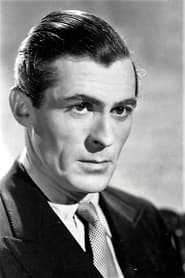
Edward Underdown
Actor
Born: December 3, 1908 in London, England Died: December 15, 1989 Active: 1948-1984
Films
1 film
About Edward Underdown
British character actor: several decades, though he is perhaps best remembered for his role in John Huston's cult classic 'Beat the Devil' (1953). Born into a military family, Underdown initially pursued a different career path before discovering his passion for acting. He trained at the Royal Academy of Dramatic Art (RADA), where he honed his craft alongside future British acting luminaries. His stage career flourished in London's West End before transitioning to film in the late 1940s. Underdown's tall, aristocratic bearing and commanding presence made him particularly well-suited for playing military officers, gentlemen, and authority figures. Throughout the 1950s and 1960s, he appeared in numerous British films and television productions, becoming a familiar face to audiences. His later career saw him taking on character roles in both film and television until his retirement in the 1980s. Underdown's contribution to British cinema, while perhaps not as celebrated as some of his contemporaries, added depth and authenticity to countless productions.
The Craft
On Screen
Underdown was known for his refined, dignified acting style characterized by impeccable diction and a commanding stage presence. His classical training at RADA gave him a foundation in traditional British acting techniques, emphasizing clarity of speech and precise movement. He excelled at portraying upper-class characters, military officers, and professional men with an air of authority and authenticity. His performances were marked by subtlety rather than showiness, often conveying complex emotions through minimal gestures and carefully modulated vocal delivery.
Milestones
- Breakthrough role in 'Beat the Devil' (1953) alongside Humphrey Bogart and Jennifer Jones
- Extensive stage career in London's West End productions
- Regular appearances in British television series throughout the 1960s and 1970s
- Character roles in major British films including 'The Colditz Story' (1955)
- Supporting roles in Hollywood productions filmed in England
Best Known For
Iconic Roles
Must-See Films
Accolades
Special Recognition
- Recognized as a reliable character actor in British cinema
Working Relationships
Worked Often With
Studios
Why They Matter
Impact on Culture
Edward Underdown represents the archetype of the reliable British character actor who, while never achieving stardom, contributed significantly to the richness of British cinema. His work in 'Beat the Devil' has ensured his place in film history as part of. The film's cult status has brought renewed appreciation for Underdown's performance as the straight man in John Huston's satirical masterpiece. His consistent presence in British film and television helped maintain the high standards of supporting performances during the golden age of British cinema.
Lasting Legacy
Underdown's legacy lies in his embodiment of the quintessential British character actor - reliable, professional, and always serving the story. His performances, particularly in 'Beat the Devil,' continue to be studied by film enthusiasts and scholars interested in the craft of supporting acting. He represents a generation of actors who formed the backbone of British cinema, providing the essential character work that allowed stars to shine. His filmography serves as a valuable record of British film production from the late 1940s through the 1970s.
Who They Inspired
While not widely recognized as an influential figure in the traditional sense, Underdown's consistent professionalism and dedication to his craft influenced younger British actors who worked with him. His ability to elevate small roles through careful preparation and authentic performance set an example for character actors who followed. His work in genre films, particularly for Hammer Studios, helped establish the template for the British character in horror and adventure films.
Off Screen
Edward Underdown was known for his private nature off-screen, maintaining a separation between his professional and personal life. He came from a family with military background, which influenced his later casting in similar roles. Despite his lengthy career in the public eye, he rarely gave interviews and preferred to let his work speak for itself. His later years were spent away from the spotlight, enjoying a quiet retirement in England.
Education
Royal Academy of Dramatic Art (RADA), London
Family
- Rosemary Scales (1946-1989)
Did You Know?
- Despite being born in 1908, he didn't begin his film career until his 40s
- His role in 'Beat the Devil' was his most famous, though he had a relatively small part
- He served in the British military before pursuing acting, which informed many of his later roles
- He was one of the few British actors to work with both John Huston and Hammer Film Productions
- His tall stature (6'2") made him a natural choice for authority figures
- He continued working in television well into his 70s
- He was distantly related to the British aristocracy through his mother's side
- He turned down several Hollywood offers to remain working in Britain
- His performance in 'Beat the Devil' was praised by director John Huston for its subtlety
- He was a skilled horseman, which led to several casting opportunities in period pieces
In Their Own Words
Acting is not about being the center of attention, it's about serving the story and the other actors
I never sought stardom, only good work and interesting characters to portray
The best actors are often those you don't notice, but whose absence would be deeply felt
Frequently Asked Questions
Who was Edward Underdown?
British character with credits in this catalog. With a career spanning from the late 1940s to the 1980s, he became a familiar face in British cinema and television, often playing military officers, gentlemen, and authority figures with his distinctive aristocratic bearing.
What films is Edward Underdown best known for?
Titles linked here include Beat the Devil (1953), The Colditz Story (1955).
When was Edward Underdown born and when did he die?
Born December 3, 1908; died December 15, 1989.
What awards did Edward Underdown win?
Edward Underdown did not receive major awards or nominations during his career, though he was widely respected within the British film industry for his professionalism and consistent performances. His recognition came more from the steady demand for his talents as a reliable character actor rather than formal accolades.
What was Edward Underdown's acting style?
Underdown's acting style was characterized by classical British training, featuring impeccable diction, dignified presence, and subtle emotional expression. He excelled at portraying authority figures with authenticity and restraint, using minimal gestures and carefully modulated vocal delivery to convey complex emotions.
Did Edward Underdown work in Hollywood?
While Underdown worked primarily in British cinema, he did appear in Hollywood productions filmed in England, most notably 'Beat the Devil' (1953), which was directed by American director John Huston and starred Humphrey Bogart. However, he generally preferred to remain working in the British film industry.
What was Edward Underdown's educational background?
Edward Underdown received his formal acting training at the Royal Academy of Dramatic Art (RADA) in London, one of Britain's most prestigious acting schools. This classical training provided the foundation for his successful career in both stage and screen performances.