
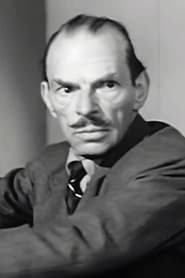
Ivor Barnard
Actor
Born: June 30, 1887 in London, England Died: June 30, 1959 Active: 1932-1959
Films
1 film
About Ivor Barnard
Prolific British character actor: over three decades in British cinema, beginning in the early 1930s and continuing until his death in 1959. Born in London in 1887, Barnard developed a reputation for playing authority figures, clerks, and eccentric characters with his distinctive appearance and precise diction. He became a familiar face in British films of the 1930s and 1940s, appearing in numerous productions for Ealing Studios and other major British film companies. Barnard's most notable international appearance came in John Huston's 1953 film 'Beat the Devil,' where he joined an ensemble cast including Humphrey Bogart and Peter Lorre. Throughout his career, he demonstrated remarkable versatility, transitioning seamlessly from serious dramatic roles to comedic parts. His filmography includes over 100 credits, making him one of Britain's most recognizable character actors of his era. Barnard's ability to bring depth to even minor roles made him a valued presence in the British film industry, and he continued working steadily until his final year.
The Craft
On Screen
Ivor Barnard was known for his precise, methodical approach to character acting, often bringing authority and gravitas to even minor roles. His distinctive appearance, with his bald head and formal bearing, made him instantly recognizable to British audiences. Barnard specialized in playing clerks, officials, and authority figures, delivering his lines with meticulous diction and understated intensity. He had a particular talent for comedic timing when required, often playing straight man to more flamboyant characters. His acting style was rooted in the traditional British theatrical tradition, emphasizing character authenticity over star presence.
Milestones
- Appeared in over 100 films during his 27-year career
- Featured role in John Huston's 'Beat the Devil' (1953)
- Regular performer in Ealing Studios productions
- Transitioned successfully from silent films to talkies
- Known for distinctive character portrayals in British cinema
Best Known For
Iconic Roles
Must-See Films
Working Relationships
Worked Often With
Studios
Why They Matter
Impact on Culture
Ivor Barnard's cultural impact lies primarily in his contribution to the golden age of British cinema as. His face became familiar to British cinema audiences through his numerous appearances in films that helped define British national identity during the 1930s, 1940s, and 1950s. Barnard represented the archetype of the British character actor who, while never achieving star status, provided essential support to the films and stars around them. His work in Ealing Studios productions, in particular, contributed to the distinctive style and tone of British comedy and drama that would influence generations of filmmakers. Through his international appearances, such as in 'Beat the Devil,' Barnard helped bridge British and Hollywood cinema, demonstrating the value of British character actors in international productions.
Lasting Legacy
Ivor Barnard's legacy endures through his extensive filmography, which serves as a valuable record of British cinema's golden age. As. Film historians and classic cinema enthusiasts continue to recognize his contributions to films that are now considered classics of British cinema. His ability to bring authenticity and depth to even the smallest roles set a standard for character actors that continues to influence performers today. Barnard's career exemplifies the importance of supporting players in creating memorable and enduring films, and his work remains an essential part of British film history.
Who They Inspired
While Ivor Barnard was not known for mentoring other actors directly, his professional approach and consistent performances influenced the standards for character acting in British cinema. His ability to transition between dramatic and comedic roles demonstrated the versatility required of supporting actors in the studio system. Contemporary British character actors often cite actors of Barnard's generation as inspirations for their craft, particularly in terms of bringing authenticity to period roles. His work in films directed by masters like Alfred Hitchcock and Michael Powell helped establish benchmarks for supporting performances in prestige productions.
Off Screen
Ivor Barnard led a relatively private life outside of his acting career, maintaining the professional discretion common among British character actors of his generation. Born and raised in London, he developed an early interest in the performing arts that led him to pursue acting as a profession. Despite his extensive film career, Barnard managed to keep his personal affairs out of the public eye, focusing primarily on his craft. He died on his 72nd birthday in 1959, marking the end of a career that had made him one of Britain's most recognizable supporting actors.
Education
Educated in London, though specific details about his formal education and acting training are not well documented in historical records.
Did You Know?
- Died on his 72nd birthday, June 30, 1959
- Appeared in over 100 films during his career
- Worked with Alfred Hitchcock in early films including 'The Man Who Knew Too Much'
- Was part of the ensemble cast in John Huston's cult classic 'Beat the Devil'
- Often without on-screen billing in early films despite having substantial roles
- His distinctive bald appearance made him instantly recognizable to audiences
- Worked extensively with Ealing Studios during their golden period
- Appeared in both versions of 'The Man Who Knew Too Much' (1934 and 1956)
- Was a favorite of director Michael Powell, appearing in several of his films
- His active years covered the transition from silent films to sound and into the color era
In Their Own Words
As a character actor, I don't need to be the star. I just need to make the star look better.
Every role, no matter how small, deserves the same preparation and respect.
Frequently Asked Questions
Who was Ivor Barnard?
Screen credits include over 100 films from the 1930s through the 1950s, known for his distinctive appearance and authoritative presence in supporting roles.
What films is Ivor Barnard best known for?
Titles linked here include Beat the Devil (1953), The Man Who Knew Too Much (1934).
When was Ivor Barnard born and when did he die?
Born June 30, 1887; died June 30, 1959.
What awards did Ivor Barnard win?
Despite his extensive career, Ivor Barnard did not receive major formal awards or nominations, which was common for character actors of his era.
What was Ivor Barnard's acting style?
Barnard was known for his precise, methodical approach to character acting, bringing authority and gravitas to roles, with meticulous diction and understated intensity rooted in British theatrical traditions.
Did Ivor Barnard work with famous directors?
Yes, Barnard worked with renowned directors including Alfred Hitchcock, Michael Powell, Emeric Pressburger, and John Huston throughout his career.
What made Ivor Barnard distinctive as an actor?
His distinctive bald appearance, formal bearing, and ability to bring authenticity to authority figures made him instantly recognizable and valuable in British cinema.