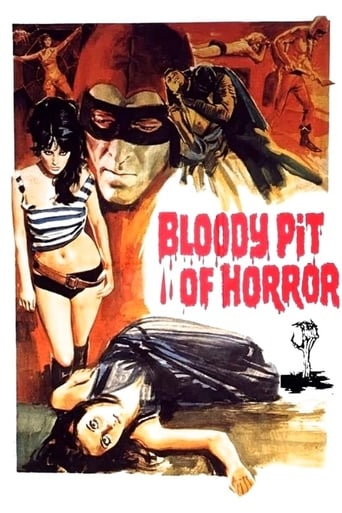

Films
1 film
About Massimo Pupillo
Italian film director primarily active in the mid-1960s, best known for his work in the horror genre. His most notable achievement was directing 'Bloody Pit of Horror' in 1965, a gothic horror film that has since become a cult classic. The film starred former Mr. Universe Mickey Hargitay and was based loosely on the writings of the Marquis de Sade. Pupillo's career appears to have been relatively brief, with his directorial work concentrated mainly in the 1965 period. He was part of the wave of Italian horror filmmakers who emerged during the 1960s, contributing to the country's distinctive approach to gothic and exploitation cinema. While not as prolific as some of his contemporaries like Mario Bava or Riccardo Freda, Pupillo's work has maintained a following among horror enthusiasts and cult film aficionados. His directorial style embraced the atmospheric and sensational elements characteristic of Italian horror cinema of the era.
The Craft
Behind the Camera
Pupillo's directing style embraced the atmospheric and sensational elements characteristic of Italian horror cinema of the 1960s. He utilized gothic settings, dramatic lighting, and theatrical performances to create a sense of dread and exploitation. His approach combined elements of psychological horror with visual spectacle, following the tradition of Italian gothic horror while incorporating more contemporary exploitation elements.
Milestones
- Director of 'Bloody Pit of Horror' (1965)
- Contributor to 1960s Italian horror cinema
- Worked with Mickey Hargitay on cult horror film
Best Known For
Must-See Films
Working Relationships
Worked Often With
Studios
Why They Matter
Impact on Culture
Massimo Pupillo's contribution to cinema lies primarily in his role as a director during the golden age of Italian horror filmmaking. While not as widely recognized as some of his contemporaries, his work on 'Bloody Pit of Horror' has become a cult favorite among horror enthusiasts. The film represents the distinctive Italian approach to gothic horror, combining atmospheric elements with exploitation sensibilities that characterized the genre during this period. Pupillo's work exemplifies how Italian directors took established horror tropes and infused them with their own cultural and artistic perspectives, contributing to the global diversity of horror cinema in the 1960s.
Lasting Legacy
Massimo Pupillo's legacy is tied to the cult status of 'Bloody Pit of Horror,' which continues to be screened at horror film festivals and appreciated by genre enthusiasts. The film has been referenced in discussions of 1960s Italian horror cinema and serves as an example of the era's distinctive approach to gothic storytelling. While his filmography may be limited, his contribution to the Italian horror genre has been preserved through the ongoing appreciation of cult cinema.
Who They Inspired
Pupillo's work, particularly 'Bloody Pit of Horror,' has influenced later generations of horror filmmakers who appreciate the atmospheric and theatrical qualities of 1960s Italian horror. The film's blend of gothic atmosphere with exploitation elements has been cited as an inspiration for directors working in the modern horror genre who seek to combine classic horror aesthetics with contemporary sensibilities.
Off Screen
Limited information is available about Massimo Pupillo's personal life. He was born in Rome in 1927 and lived until 1999. His career in film appears to have been concentrated in the mid-1960s, after which he seemingly retired from the industry or moved to other pursuits.
Did You Know?
- 'Bloody Pit of Horror' was loosely based on the writings of the Marquis de Sade
- The film starred Mickey Hargitay, former Mr. Universe and husband of Jayne Mansfield
- The movie was also known under the alternative title 'The Bloody Pit of Horror'
- Pupillo's career as a director appears to have been extremely brief, with 1965 being his primary active year
- The film was an Italian-American co-production, reflecting the international nature of European horror cinema in the 1960s
- Despite its limited initial release, the film has gained significant cult status over the decades
- The movie featured the recurring horror trope of a castle setting, common in Italian gothic horror
- Pupillo worked primarily with independent production companies rather than major studios
Frequently Asked Questions
Who was Massimo Pupillo?
Italian on YTB.my. He was part of the wave of Italian horror filmmakers who contributed to the country's distinctive approach to gothic and exploitation cinema during this period.
What films is Massimo Pupillo best known for?
Titles linked here include Bloody Pit of Horror (1965).
When was Massimo Pupillo born and when did he die?
Born 1927; died 1999.
What awards did Massimo Pupillo win?
There are no documented major awards or nominations for Massimo Pupillo's work. His films, particularly 'Bloody Pit of Horror,' have gained recognition through cult status rather than formal awards from the film industry.
What was Massimo Pupillo's directing style?
Pupillo's directing style embraced the atmospheric and theatrical elements characteristic of 1960s Italian horror cinema. He utilized gothic settings, dramatic lighting, and sensational storytelling to create horror films that combined atmospheric dread with exploitation elements.