Curly Howard
Actor
Born: October 22, 1903 in Brooklyn, New York, USA Died: January 18, 1952 Active: 1932-1946 (peak years with The Three Stooges) Birth Name: Jerome Lester Horwitz
Films
1 film
About Curly Howard
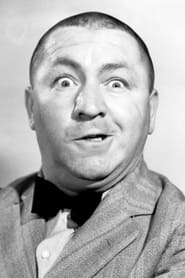
Curly Howard, born Jerome Lester Horwitz, was comedy performers of the Golden Age of Hollywood, best known as the third member of The Three Stooges comedy team. He joined his older brothers Shemp and Moe Howard in 1932, replacing Shemp and creating the classic Stooges lineup with Moe and Larry Fine that would become. Curly developed a unique comedic persona characterized by his childlike innocence, high-pitched voice, bald head with distinctive ringlets, and signature sounds including 'nyuk-nyuk-nyuk' and 'woob-woob-woob'. His physical comedy was extraordinary, incorporating wild gestures, pratfalls, and improvised reactions that became the template for slapstick comedy. Despite having no formal acting training, Curly's natural comedic timing and ability to create laughter through simple gestures made him the most popular of the Stooges during their peak years. His career was tragically cut short in 1946 when a series of strokes forced his retirement, though he made brief cameo appearances in later years. Curly's influence on comedy extends far beyond his film work, with his style and mannerisms being referenced and imitated by countless comedians who followed.
The Craft
On Screen
Curly Howard's acting style was characterized by physical comedy, exaggerated facial expressions, and childlike mannerisms. He employed a high-pitched voice, wild gesticulations, and signature sounds including his famous 'nyuk-nyuk-nyuk' laugh and 'woob-woob-woob' noises. His comedy often involved spontaneous reactions, pratfalls, and a unique ability to convey both innocence and chaos simultaneously. Curly's bald head with two distinctive ringlets on the sides became his visual trademark, complementing his energetic and unpredictable performance style.
Milestones
- Joined The Three Stooges in 1932, creating the classic lineup
- Starred in 97 Three Stooges short films for Columbia Pictures
- Appeared in feature films like 'Rockin' in the Rockies' (1945)
- Developed signature catchphrases and sounds that became cultural touchstones
- Forced to retire in 1946 due to health issues after suffering a stroke
Best Known For
Iconic Roles
Must-See Films
Accolades
Special Recognition
- Hollywood Walk of Fame star (shared with The Three Stooges)
- Inducted into the Comedy Hall of Fame
- The Three Stooges received a star on the Hollywood Walk of Fame in 1983
Working Relationships
Worked Often With
Studios
Why They Matter
Impact on Culture
Curly Howard's impact on American comedy is immeasurable, as he essentially defined the role of the 'third stooge' in comedy trios. His distinctive mannerisms, sounds, and physical comedy techniques became part of the American comedy lexicon, influencing generations of comedians from Jerry Lewis to Jim Carrey. The Three Stooges shorts featuring Curly have remained in continuous television syndication for decades, introducing new generations to his unique brand of humor. His character's blend of childlike innocence and chaotic energy created a template for comedic supporting characters that continues to be referenced in modern entertainment. Curly's catchphrases and sounds have become part of popular culture, frequently referenced in everything from The Simpsons to contemporary comedy films.
Lasting Legacy
Curly Howard's legacy endures through the continued popularity of The Three Stooges and the lasting influence of his comedic style. He is widely regarded as one of the greatest physical comedians in cinema history, with his work studied by comedy scholars and performers alike. Despite his relatively short career span, his impact on comedy has proven timeless, with his films remaining popular nearly a century after their creation. Curly's personal struggles and early death have also made him a tragic figure in Hollywood history, adding depth to his legacy beyond just his comedic contributions. The Three Stooges Museum in Pennsylvania features extensive exhibits dedicated to Curly, preserving his memory for future generations of comedy fans.
Who They Inspired
Curly Howard influenced countless comedians who followed, including Jerry Lewis (who acknowledged borrowing from Curly's style), Jackie Chan (who incorporated Stooges-style physical comedy into his action films), and modern comedians like Adam Sandler and Jim Carrey. His technique of using sound effects and vocalizations as comedic tools became standard in comedy performance. The character archetype of the lovable, childlike fool that Curly perfected has been replicated in numerous comedy ensembles. His improvisational style and ability to create comedy from simple physical movements influenced the development of sketch comedy and improvisational theater. Many contemporary comedy groups cite The Three Stooges, particularly the Curly era, as a major influence on their work.
Off Screen
Curly Howard was married four times and had two daughters. His personal life was often troubled, with multiple failed marriages and financial difficulties despite his success. He was known to be shy and sensitive off-camera, contrasting sharply with his wild on-screen persona. Curly struggled with health issues throughout his adult life, including hypertension and weight problems, which ultimately led to his early death at age 48.
Education
Attended public schools in Brooklyn, New York; no formal higher education or acting training
Family
- Julie Rosenthal (1930-1931)
- Elaine Ackerman (1937-1940)
- Marion Buxbaum (1945-1946)
- Gertrude Frank (1947-1952, his death)
Did You Know?
- Curly was originally a professional baseball player, playing second base for the Boston Braves minor league team
- He shaved his head for the Stooges role, though he originally wore a wig before deciding on the bald look
- His famous 'nyuk-nyuk-nyuk' laugh was actually based on the sound his mother made when tickling him as a child
- Curly was extremely shy off-camera and often had to be coaxed into performing
- He was a talented ballroom dancer and won several dance competitions before joining The Three Stooges
- His favorite food was hot dogs, which he often ate between takes during filming
- Curly was an accomplished amateur photographer and carried his camera everywhere
- He suffered his first major stroke in 1946 while filming 'Half-Wits Holiday', which ended his career
- Despite his on-screen persona, Curly was actually the most educated of the three original Stooges
- His distinctive walk was developed after he injured his leg in a childhood accident
In Their Own Words
Nyuk-nyuk-nyuk-nyuk!
Woob-woob-woob-woob!
Soitenly!
I'm a victim of soikumstance!
Moe, Larry, the cheese!
Hey, Moe! Hey, Larry!
Frequently Asked Questions
Who was Curly Howard?
American comedian and with credits in this catalog. Born Jerome Lester Horwitz, he created an iconic comedic persona characterized by his bald head, high-pitched voice, and signature catchphrases like 'nyuk-nyuk-nyuk' that made him the most popular Stooge during their peak years from 1932 to 1946.
What films is Curly Howard best known for?
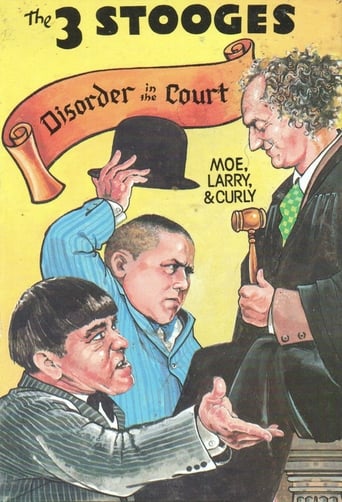
Titles linked here include Disorder in the Court (1936), A Plumbing We Will Go (1940).
When was Curly Howard born and when did he die?
Born October 22, 1903; died January 18, 1952.
What awards did Curly Howard win?
Despite his immense popularity and cultural impact, Curly Howard did not receive major individual awards during his lifetime. However, The Three Stooges were posthumously honored with a star on the Hollywood Walk of Fame in 1983, and Curly was inducted into the Comedy Hall of Fame as part of the group's legacy.
What was Curly Howard's acting style?
Curly Howard's acting style was defined by physical comedy, exaggerated facial expressions, and childlike mannerisms. He employed a high-pitched voice, wild gesticulations, and signature sounds including his famous 'nyuk-nyuk-nyuk' laugh. His comedy involved spontaneous reactions, pratfalls, and a unique ability to convey both innocence and chaos simultaneously, making him a master of slapstick performance.