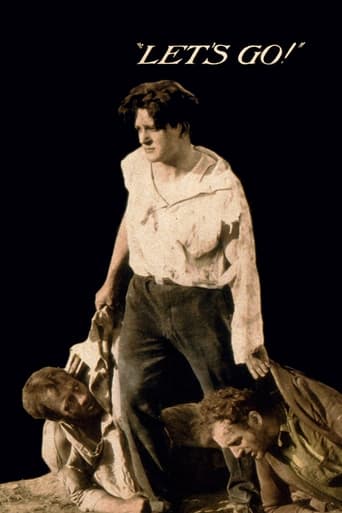
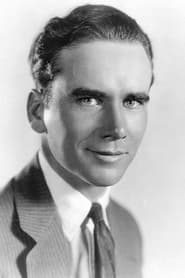
American film director who began his career in the silent era and successfully transitioned to sound films. He started as an assistant director and worked his way up to directing his first feature in the early 1920s. Howard was known for his versatility, directing comedies, dramas, and adventure films throughout his career. He worked for several major studios including Paramount, Fox, and RKO. One of his most acclaimed works was 'The Power and the Glory' (1933), which was an early example of non-linear storytelling and is considered a precursor to film noir. Howard also had success in Britain, directing the historical drama 'Fire Over England' (1937) starring Laurence Olivier and Vivien Leigh. His over two decades, during which he directed more than 40 films before his retirement in the mid-1940s. He passed away in Los Angeles in 1956, leaving behind a diverse filmography that showcased his technical skill and storytelling abilities.
The Craft
Behind the Camera
William K. Howard was known for his technical proficiency and versatility across genres. He employed innovative camera techniques and was particularly skilled at creating atmospheric visuals. Howard was comfortable with both intimate character studies and large-scale productions. His work often featured strong visual storytelling, with careful attention to composition and lighting. In 'The Power and the Glory,' he experimented with non-linear narrative structure, which was ahead of its time. Howard's directing style evolved with the transition to sound, maintaining visual interest while effectively utilizing dialogue and sound design.
Milestones
Directed 'The Power and the Glory' (1933), an innovative film with non-linear narrative
Directed 'Fire Over England' (1937) starring Laurence Olivier and Vivien Leigh
William K. Howard was married twice during his lifetime. He married actress Frances Rich in 1930, but the marriage ended in divorce. He later married actress Florence Roberts. Howard was known as a hard-working director who maintained professional relationships with many actors and crew members throughout his career. He was respected in the industry for his technical skills and ability to work efficiently on set.
spouses
children
education
studioAffiliations
frequentCollaborators
mentors
protégés
culturalImpact
William K. Howard contributed to the development of narrative cinema, particularly through his innovative use of non-linear storytelling in 'The Power and the Glory.' This film influenced later filmmakers in its approach to narrative structure and character development. His work during the transition from silent to sound films demonstrated how visual storytelling techniques could be adapted and enhanced with sound. Howard's films also helped launch or advance the careers of several actors who would become major stars. His international work, particularly in Britain, contributed to the cross-pollination of filmmaking techniques between Hollywood and European cinema.
legacy
William K. Howard's legacy lies in his technical innovation and versatility as a director. While not as widely remembered as some of his contemporaries, his films, particularly 'The Power and the Glory,' are studied by film scholars for their narrative innovations. The film's use of flashback and non-linear structure was groundbreaking for its time and influenced later developments in film narrative. Howard's ability to work across genres and with both American and British productions demonstrated the adaptability required of directors during Hollywood's golden age. His career serves as an example of the journeyman director who consistently delivered competent, sometimes innovative, films without achieving the auteur status of some of his more famous peers.
influence
Howard's influence on cinema is most evident in his narrative innovations. 'The Power and the Glory' is often cited as a precursor to film noir and influenced directors like Orson Welles in its use of non-linear storytelling. His technical proficiency and ability to work efficiently set standards for studio filmmaking. The actors who worked with him benefited from his direction, with several going on to major stardom. His work in British cinema helped bridge stylistic approaches between Hollywood and European filmmaking traditions.