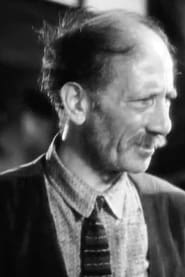
Egon Brecher
Actor
Born: February 16, 1880 in Miskolc, Austria-Hungary (now Hungary) Died: August 12, 1946 Active: 1930-1942
Films
2 films
About Egon Brecher
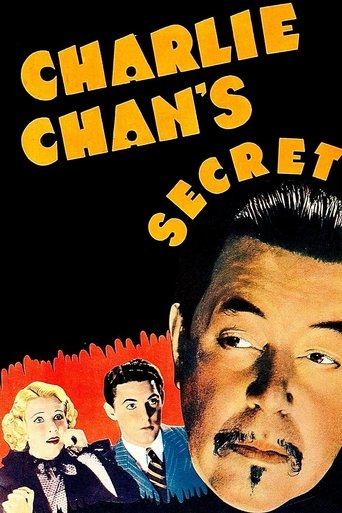
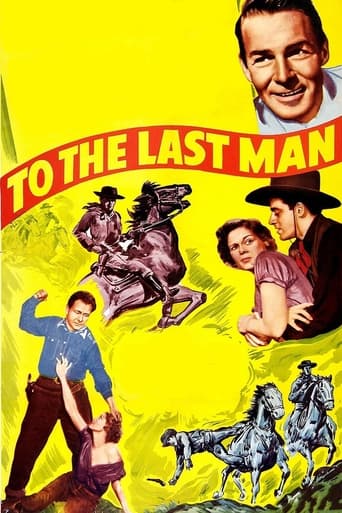
Austrian-American character actor who brought European theatrical gravitas to Hollywood films during the 1930s. Born in Austria-Hungary, Brecher began his career on the European stage before transitioning to film, establishing himself as a versatile performer capable of portraying authority figures, intellectuals, and foreign dignitaries with authentic presence. He immigrated to the United States during the early sound era, when Hollywood studios actively sought European actors with theatrical training and distinctive accents to lend sophistication to their productions. Brecher found steady work in supporting roles, often cast as doctors, professors, government officials, or other characters requiring an air of continental refinement and wisdom. His filmography spanned various genres, from Westerns like 'To the Last Man' to mystery films such as 'Charlie Chan's Secret,' where his commanding presence and precise diction made him particularly effective in period pieces. Though never achieving leading man status, Brecher became a reliable and respected character actor whose contributions added depth and authenticity to numerous productions during Hollywood's Golden Age. His career, while primarily concentrated in the 1930s, left a lasting impression as an example of the European theatrical tradition's influence on American cinema.
The Craft
On Screen
Brecher was known for his commanding stage presence and precise, theatrical delivery that reflected his European classical training. He specialized in portraying educated, authoritative figures with a distinctive continental sophistication, often bringing intellectual weight and gravitas to supporting roles. His acting style emphasized clear diction and dignified mannerisms, making him particularly effective in roles requiring foreign or academic characters. Brecher's approach was rooted in traditional European theatrical techniques, which translated well to the early sound era's need for actors with strong vocal presence and refined bearing.
Milestones
- Stage career in Europe before transitioning to film
- Immigration to United States during early sound era
- Supporting role in 'To the Last Man' (1933)
- Notable appearance in 'Charlie Chan's Secret' (1936)
- Consistent work as character actor throughout 1930s
- Appearances in over 60 films during Hollywood career
Best Known For
Iconic Roles
Must-See Films
Working Relationships
Worked Often With
Studios
Why They Matter
Impact on Culture
Egon Brecher contributed significantly to the cultural diversity of Hollywood during the 1930s, representing the important influx of European theatrical talent that enriched American cinema. His presence in films helped establish the archetype of the sophisticated European character, a figure that became increasingly important in Hollywood's efforts to appeal to international markets. Brecher and other European actors of his generation helped bridge the gap between European theatrical traditions and American film techniques, contributing to the artistic maturation of Hollywood during the Golden Age. His work in historical and biographical films lent authenticity to productions depicting European settings and events, helping American audiences connect with international stories through recognizable and credible performances.
Lasting Legacy
Egon Brecher's legacy lies in his contribution to the Hollywood's character acting tradition during the Golden Age. As one of the many European actors who found success in American cinema, he exemplifies the international nature of Hollywood's artistic community and the industry's ability to absorb and benefit from diverse cultural influences. His filmography, while not consisting of starring roles, represents the essential supporting work that gives classic films their depth and authenticity. Brecher's career shows the importance of character actors in creating believable cinematic worlds and the valuable contributions of immigrant artists to American cultural heritage.
Who They Inspired
Brecher influenced subsequent generations of character actors, particularly those of European heritage working in Hollywood, by demonstrating how classical theatrical training could be effectively adapted to film performance. His success in portraying authority figures and educated characters helped establish conventions for casting foreign-accented actors in specific roles that continued throughout Hollywood's Golden Age. The professionalism and reliability he brought to his work set standards for supporting actors, showing how consistent, quality performances in smaller roles could build a lasting career and contribute significantly to film quality.
Off Screen
Egon Brecher maintained a relatively private personal life away from the Hollywood spotlight. As a European immigrant who successfully transitioned to American cinema, he represented the wave of international talent that enriched Hollywood during the early sound era. His marriage and family life, while not extensively documented in public records, reflected the stability common among many character actors of his generation who valued their privacy and focused on their craft rather than celebrity status.
Education
Classical theatrical training in Europe, likely in Vienna or Budapest during the early 1900s
Family
- Unknown
Did You Know?
- Born in the same year as fellow character actors Edward G. Robinson and Paul Lukas
- One of many Austrian actors who found success in Hollywood following the rise of talkies
- Appeared in both Western and mystery genres, showcasing his versatility
- His active years covered the transition from early sound films to more sophisticated 1930s productions
- Like many character actors, he often played roles older than his actual age
- His precise diction made him particularly valuable in early sound films when audio quality was still developing
- Worked with some of Hollywood's biggest stars despite never achieving leading man status himself
- His European background was frequently exploited in casting for roles requiring continental sophistication
- Part of the large community of Jewish actors from Central Europe who contributed to Golden Age Hollywood
- His film career coincided with some of Hollywood's most prestigious productions of the 1930s
In Their Own Words
No widely documented famous quotes from Egon Brecher, as was common for character actors of his era who were rarely interviewed by the press
Frequently Asked Questions
Who was Egon Brecher?
Austrian-American character with credits in this catalog. He appeared in numerous films including 'To the Last Man' (1933) and 'Charlie Chan's Secret' (1936), often portraying doctors, professors, and other educated figures.
What films is Egon Brecher best known for?
Titles linked here include To the Last Man (1933), Charlie Chan's Secret (1936).
When was Egon Brecher born and when did he die?
Born February 16, 1880; died August 12, 1946.
What awards did Egon Brecher win?
Egon Brecher did not receive any major awards or nominations during his career, which was common for character actors of his era who often worked in supporting roles without formal recognition from industry awards.
What was Egon Brecher's acting style?
Brecher's acting style was characterized by classical European theatrical training, featuring precise diction, dignified mannerisms, and commanding presence. He specialized in portraying educated, authoritative figures with continental sophistication, bringing intellectual weight and authenticity to his supporting roles.
How did Egon Brecher contribute to Hollywood's Golden Age?
Brecher contributed to Hollywood's Golden Age as part of the important influx of European talent that enriched American cinema during the early sound era. His performances added authenticity to films requiring foreign characters or educated figures, helping establish conventions for character acting that influenced subsequent generations.
Was Egon Brecher a leading actor?
No, Egon Brecher was never a leading actor but built a successful career as a reliable character actor in supporting roles. His consistent work and professional reputation made him a valuable presence in numerous Hollywood productions throughout the 1930s.