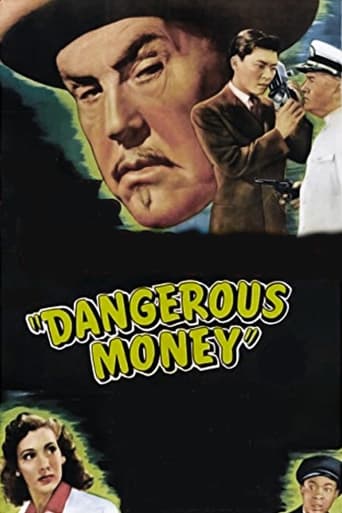
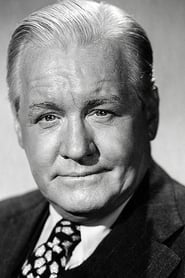
Joseph Crehan
Actor
Born: July 15, 1883 in Baltimore, Maryland, USA Died: April 15, 1966 Active: 1930-1960
Films
1 film
About Joseph Crehan
Prolific American character actor: over three decades of Hollywood's Golden Age. Born in Baltimore, Maryland, he began his acting career on the stage before transitioning to films in the early 1930s. Crehan became one of Hollywood's most recognizable supporting actors, appearing in more than 300 films throughout his career. He specialized in portraying authority figures such as police chiefs, judges, mayors, and military officers, often bringing a commanding presence and gravitas to his roles. His versatility allowed him to work across multiple genres, from gangster films to musicals, and he became a favorite of directors seeking reliable character actors. Despite never achieving leading man status, Crehan's consistent performances made him an invaluable part of the Hollywood studio system, working with virtually every major studio and appearing alongside the biggest stars of his era. His career continued successfully through the 1950s before he retired from acting in the early 1960s.
The Craft
On Screen
Joseph Crehan was known for his authoritative presence and distinctive speaking voice. He specialized in portraying officials and authority figures with a natural, believable demeanor that made him perfect for roles as police chiefs, judges, and mayors. His acting style was straightforward and professional, bringing authenticity to his characters without unnecessary theatrics. Crehan had the ability to convey authority and wisdom through subtle expressions and measured dialogue delivery, making him a reliable choice for directors seeking to establish credibility in their films.
Milestones
- Appeared in over 300 films during his 30-year career
- Became typecast as authority figures in Hollywood films
- Worked with all major studios including Warner Bros., MGM, and Paramount
- Appeared in classic films like 'The Public Enemy' and 'White Heat'
- Transitioned successfully from silent films to talkies
Best Known For
Iconic Roles
Must-See Films
Accolades
Special Recognition
- Hollywood Walk of Fame star (contributions to motion pictures)
Working Relationships
Worked Often With
Studios
Why They Matter
Impact on Culture
Joseph Crehan's impact on American cinema lies in his contribution to the authenticity of Hollywood's storytelling. As. His consistent portrayal of officials and authority figures across hundreds of films created a sense of continuity and realism in the cinematic universe of Golden Age Hollywood. Crehan's work exemplified the importance of supporting actors in creating believable worlds for audiences, demonstrating that memorable performances need not come from leading roles. His presence in so many classic films makes him an integral part of Hollywood's golden era, even if audiences often didn't know his name.
Lasting Legacy
Joseph Crehan's legacy is that of the quintessential Hollywood character actor who elevated every film he appeared in through his professionalism and distinctive presence. With over 300 film credits, he represents the backbone of Golden Age Hollywood - the reliable supporting players who made star vehicles shine. His typecasting as authority figures created an archetype that would influence how such characters were portrayed in American cinema for decades. Crehan's extensive filmography serves as a valuable record of Hollywood's studio system at its peak, and his performances continue to be appreciated by classic film enthusiasts who recognize the importance of character actors in creating memorable cinema.
Who They Inspired
While Joseph Crehan wasn't a method actor or revolutionary performer, his influence can be seen in how subsequent generations of character actors approached similar roles. His naturalistic approach to portraying authority figures set a standard that many later actors would emulate. Crehan demonstrated that supporting roles could be just as crucial to a film's success as leading performances, inspiring countless actors to find fulfillment and success in character work. His career longevity and consistent quality of performance served as a model for professional conduct in Hollywood, showing how actors could build lasting careers without becoming major stars.
Off Screen
Joseph Crehan led a relatively private life away from the cameras. He married actress Louise Henry in 1937, and their marriage lasted until his death in 1966. The couple had no children together. Crehan was known among his colleagues as a reliable and professional actor who took his craft seriously. Despite his extensive filmography, he managed to maintain a low public profile, focusing on his work rather than seeking celebrity status. In his later years, he lived comfortably in Hollywood, enjoying the respect of his peers and the legacy of his substantial body of work.
Family
- Louise Henry (1937-1966)
Did You Know?
- Appeared in over 300 films during his career
- Often played police chiefs, judges, and mayors
- Worked with James Cagney in multiple films including 'The Public Enemy' and 'Yankee Doodle Dandy'
- Had a distinctive mustache that became his trademark
- Was a stage actor before transitioning to films
- Never received an Academy Award nomination despite his prolific career
- Appeared in both film noir and musical genres
- His final film appearance was in 'The Music Man' (1962)
- Was frequently without on-screen billing in early films
- His wife Louise Henry was also a successful actress
In Their Own Words
As a character actor, you learn to make the most of every line and every moment on screen.
Frequently Asked Questions
Who was Joseph Crehan?
Screen credits include over 300 films during Hollywood's Golden Age, primarily known for portraying authority figures like police chiefs, judges, and mayors in classic films from the 1930s through the 1950s.
What films is Joseph Crehan best known for?
Titles linked here include The Public Enemy (1931), I Am a Fugitive from a Chain Gang (1932).
When was Joseph Crehan born and when did he die?
Born July 15, 1883; died April 15, 1966.
What awards did Joseph Crehan win?
Despite his prolific career and hundreds of film appearances, Joseph Crehan did not receive major acting awards or Academy Award nominations, though he was honored with a star on the Hollywood Walk of Fame for his contributions to motion pictures.
What was Joseph Crehan's acting style?
Joseph Crehan was known for his authoritative presence and naturalistic portrayal of officials and authority figures, bringing authenticity and gravitas to his roles through measured dialogue delivery and a professional, straightforward acting approach.
Did Joseph Crehan work with any famous directors?
Yes, Joseph Crehan worked with many renowned directors including Raoul Walsh, Michael Curtiz, Howard Hawks, Billy Wilder, and Elia Kazan, appearing in multiple films for several of these directors throughout his career.
Was Joseph Crehan married?
Joseph Crehan was married to actress Louise Henry from 1937 until his death in 1966, and they remained together for nearly 30 years.