
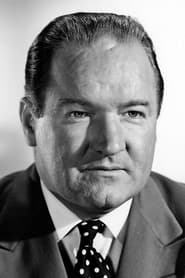
Barry Kelley
Actor
Born: December 18, 1908 in Chicago, Illinois, USA Died: June 15, 1991 Active: 1947-1975 Birth Name: Barry Francis Kelley
Films
1 film
About Barry Kelley
Prolific American character actor: imposing 6'3" frame and authoritative presence made him a familiar face in Hollywood films and television for nearly three decades. Born in Chicago and educated at Northwestern University, Kelley began his acting career on stage before transitioning to films in the mid-1940s. He quickly established himself as a reliable performer in roles requiring gravitas and authority, frequently portraying police chiefs, military officers, judges, and business executives. His filmography spans over 100 credits, including appearances in classic films like 'The Asphalt Jungle,' 'White Heat,' and 'The Man Who Shot Liberty Valance.' Kelley was particularly adept at playing both sympathetic and antagonistic authority figures, bringing depth and authenticity to even minor roles. As the studio system declined, he successfully transitioned to television, appearing in popular series throughout the 1950s and 1960s. His career concluded in the mid-1970s after leaving an indelible mark as one of Hollywood's most recognizable character actors.
The Craft
On Screen
Kelley was known for his commanding screen presence and authoritative demeanor, utilizing his tall stature and deep voice to create believable authority figures. He specialized in playing law enforcement officials, military personnel, and business executives with a naturalistic approach that made even minor roles memorable. His acting style was understated yet powerful, relying on subtle facial expressions and measured delivery rather than overt theatricality. Kelley had a particular talent for conveying both the strength and vulnerability of his characters, making him equally effective in both sympathetic and antagonistic roles.
Milestones
- Film debut in 'The Big Sleep' (1946)
- Memorable role as Police Lieutenant in 'Too Late for Tears' (1949)
- Supporting role in 'The Asphalt Jungle' (1950)
- Performance in 'White Heat' (1949)
- Appearance in 'Elmer Gantry' (1960)
- Role in 'The Man Who Shot Liberty Valance' (1962)
- Extensive television work in the 1950s-1960s
- Over 100 film and television appearances
Best Known For
Iconic Roles
Must-See Films
Working Relationships
Worked Often With
Studios
Why They Matter
Impact on Culture
Barry Kelley contributed significantly to the authentic portrayal of American authority figures in classic cinema, helping to establish the archetypes of law enforcement and institutional power that would influence film noir and Western genres. His performances in films like 'The Asphalt Jungle' and 'Too Late for Tears' helped define the visual language of post-war American cinema, where institutional authority was often depicted as both necessary and potentially corrupt. Kelley's work across multiple genres demonstrated the versatility of character actors in supporting the narrative structure of Hollywood's Golden Age films, while his transition to television helped bridge the gap between classic cinema and the new medium of television entertainment.
Lasting Legacy
Barry Kelley's legacy endures through his extensive body of work that continues to be discovered by new generations of film enthusiasts. As. His performances in film noir classics and Westerns have been studied by film scholars as examples of how supporting actors can elevate the overall quality of a production. Kelley's career shows the importance of character actors in establishing the authenticity and depth of cinematic storytelling during Hollywood's Golden Age.
Who They Inspired
Kelley influenced subsequent generations of character actors through his demonstrated ability to bring authority and authenticity to supporting roles. His naturalistic approach to playing authority figures helped establish a template for how law enforcement and institutional power could be portrayed realistically in American cinema. Many contemporary character actors cite performers like Kelley as inspirations for their careers, particularly in terms of how to make memorable impressions in limited screen time. His work in both film and television showed the adaptability required for actors transitioning between different media formats.
Off Screen
Barry Kelley was married to actress and model Mary Kelley for over 40 years until his death. The couple resided in the Los Angeles area and maintained a relatively private life away from the Hollywood spotlight. Despite his extensive filmography, Kelley was known for his humility and dedication to his craft rather than seeking celebrity status. He was described by colleagues as a consummate professional who prepared thoroughly for each role and treated every part, regardless of size, with equal importance.
Education
Northwestern University
Family
- Mary Kelley (married 1950-1991)
Did You Know?
- Stood 6'3" tall, which contributed to his authoritative screen presence
- Appeared in over 100 films and television shows during his career
- Often played police chiefs, sheriffs, and military officers due to his commanding presence
- Served in the U.S. Army Air Forces during World War II before his acting career
- Was a graduate of Northwestern University's prestigious theater program
- Never received a major acting award nomination despite his extensive career
- Worked with some of Hollywood's greatest directors including John Ford, John Huston, and Nicholas Ray
- His final film appearance was in 'The Outfit' (1973)
- Was frequently typecast but embraced the opportunities this provided
- Maintained a reputation as one of Hollywood's most reliable and professional character actors
In Their Own Words
I've never been a star, but I've always worked. That's what matters in this business.
Every role, no matter how small, deserves the same preparation and respect.
Frequently Asked Questions
Who was Barry Kelley?
Prolific American character with credits in this catalog.
What films is Barry Kelley best known for?
Titles linked here include Too Late for Tears (1949), The Asphalt Jungle (1950).
When was Barry Kelley born and when did he die?
Born December 18, 1908; died June 15, 1991.
What awards did Barry Kelley win?
Despite his extensive career spanning over 100 film and television appearances, Barry Kelley never received major acting award nominations, which was common for character actors of his era.
What was Barry Kelley's acting style?
Kelley was known for his commanding screen presence and naturalistic approach to playing authority figures, using his 6'3" stature and deep voice to create believable police chiefs, military officers, and executives.
How many films did Barry Kelley appear in?
Barry Kelley appeared in over 100 films and television shows throughout his nearly three-decade career, making him one of Hollywood's most recognizable character actors.
Did Barry Kelley work in television?
Yes, Kelley successfully transitioned to television in the 1950s and 1960s, appearing in numerous popular series including 'Perry Mason,' 'Gunsmoke,' and 'The Twilight Zone.'