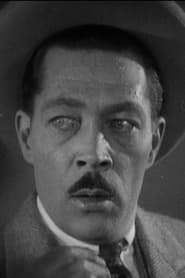
Eddie Boland
Actor
Born: December 27, 1883 in San Francisco, California, USA Died: February 21, 1935 Active: 1912-1935 Birth Name: Edward Patrick Boland
Films
2 films
About Eddie Boland
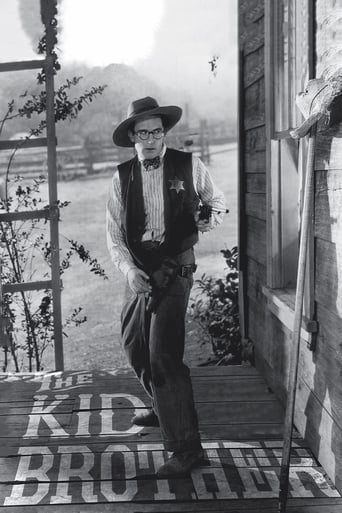
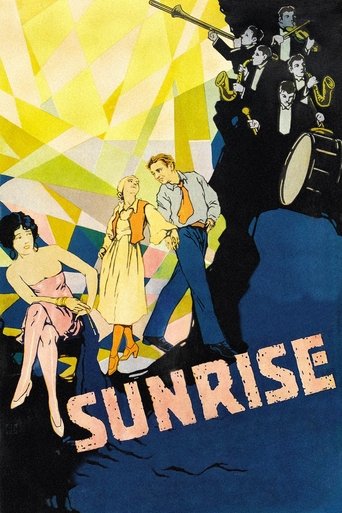
Eddie Boland worked on over 100 motion pictures during his career. Born Edward Patrick Boland in San Francisco, he began his film career in the early 1910s with Keystone Studios, often working alongside comedy legends like Charlie Chaplin and Harold Lloyd. Boland developed a reputation as a reliable supporting player, frequently cast as comic relief, villains, or authority figures in both dramatic and comedic productions. His most notable roles came in 1927 with appearances in two masterpieces of silent cinema: Harold Lloyd's 'The Kid Brother' and F.W. Murnau's 'Sunrise: A Song of Two Humans.' As the film industry transitioned to sound, Boland successfully adapted to talkies, though his roles became smaller and less frequent. His career was tragically cut short when he died of a heart attack at age 51, leaving behind a substantial body of work that exemplifies the craft of character acting during Hollywood's formative years.
The Craft
On Screen
Boland was known for his versatility as a character actor, capable of playing both comic and dramatic roles with equal skill. His physical comedy timing was refined through his early work with Keystone Studios, while his expressive face allowed him to convey complex emotions without dialogue in silent films. He had a particular talent for playing authority figures, often portraying policemen, officials, or antagonists with a distinctive blend of menace and humor. His ability to adapt his performance style from the broad gestures required in silent cinema to the more naturalistic demands of early talkies demonstrated his professional adaptability.
Milestones
- Signed with Keystone Studios in early career
- Appeared in over 100 films
- Notable role in 'The Kid Brother' (1927)
- Memorable performance in 'Sunrise: A Song of Two Humans' (1927)
- Successfully transitioned from silent to sound films
- Worked with major directors including F.W. Murnau and comedy legend Harold Lloyd
Best Known For
Iconic Roles
Must-See Films
Working Relationships
Worked Often With
Studios
Why They Matter
Impact on Culture
Eddie Boland represents the essential but often overlooked character actors who formed the backbone of Hollywood's silent era. His work in two of 1927's most acclaimed films demonstrates how supporting players contributed to the artistic achievements of classic cinema. In 'Sunrise,' Boland was part of an ensemble that helped create what many consider one of the greatest films ever made, while his work with Harold Lloyd contributed to the development of American comedy cinema. His ability to transition between comedy and drama exemplified the versatility required of actors during this period, and his career trajectory from Keystone slapstick to more sophisticated roles mirrors the evolution of American film itself.
Lasting Legacy
Though not a household name like some of his contemporaries, Eddie Boland's legacy lives on through his contributions to over 100 films, many of which are considered classics of silent cinema. His performances serve as valuable examples of character acting techniques during the transition from silent to sound films. Film historians and silent cinema enthusiasts recognize him as part of the essential supporting cast that gave depth and authenticity to Hollywood's golden age productions. His work continues to be studied and appreciated by those interested in the craft of film acting and the collaborative nature of classic Hollywood filmmaking.
Who They Inspired
Boland influenced subsequent generations of character actors through his demonstrated versatility and professionalism. His ability to seamlessly move between comedy and drama, and between silent and sound films, provided a model for actors facing similar transitions. His work with comedy legends like Harold Lloyd helped establish patterns of comic timing and physical comedy that would influence later comedic performers. While he may not have directly mentored famous actors, his consistent performances across numerous productions set a standard for reliability and craft that became the hallmark of successful character actors in Hollywood.
Off Screen
Eddie Boland was born into an Irish-American family in San Francisco during the city's formative years. He married actress and fellow silent film performer Gertrude Olmstead in 1925, and their marriage lasted until his death ten years later. The couple had no children. Boland was known in Hollywood circles as a dependable professional and a generous colleague who often helped younger actors navigate the challenges of studio work. Despite his extensive filmography, he maintained a relatively private personal life, avoiding the scandals that plagued many of his contemporaries.
Education
Limited information available, likely received basic education in San Francisco before entering show business
Family
- Gertrude Olmstead (1925-1935)
Did You Know?
- Appeared in Charlie Chaplin's 'The Gold Rush' (1925) in an uncredited role
- Worked at Keystone Studios during the early days of American comedy
- His wife Gertrude Olmstead was also a successful silent film actress
- Died unexpectedly of a heart attack at age 51, cutting short a productive career
- Often played police officers, officials, or authority figures due to his authoritative presence
- Was one of the few actors to work with both Harold Lloyd and F.W. Murnau in the same year
- His filmography includes both short comedies and feature-length dramatic films
- Survived the 1906 San Francisco earthquake as a young man
- Began his career in vaudeville before transitioning to films
- Was of Irish descent, which influenced some of his casting choices
In Their Own Words
Information on specific quotes attributed to Eddie Boland is not widely documented in historical records
As a character actor, he was known more for his performances than for memorable spoken lines
Frequently Asked Questions
Who was Eddie Boland?
Prolific American character with credits in this catalog. He was known for his versatility in both comedic and dramatic roles, particularly his work with Harold Lloyd and his appearance in F.W. Murnau's masterpiece 'Sunrise: A Song of Two Humans' (1927).
What films is Eddie Boland best known for?
Titles linked here include The Kid Brother (1927), Sunrise: A Song of Two Humans (1927).
When was Eddie Boland born and when did he die?
Born December 27, 1883; died February 21, 1935.
What awards did Eddie Boland win?
Eddie Boland did not receive major industry awards during his career, which was common for character actors of his era. However, his contributions to classic films like 'Sunrise' have been recognized retrospectively by film historians and silent cinema enthusiasts as essential to the success of these productions.
What was Eddie Boland's acting style?
Eddie Boland was known for his versatility as a character actor, skilled in both physical comedy and dramatic performance. His early training at Keystone Studios gave him excellent timing for slapstick and visual comedy, while his expressive face allowed him to convey complex emotions in silent films. He particularly excelled at playing authority figures and provided reliable comic relief in numerous productions.