Sidney Salkow
Director
Born: June 16, 1910 in New York City, New York, USA Died: October 18, 1991 Active: 1934-1968
Films
1 film
About Sidney Salkow
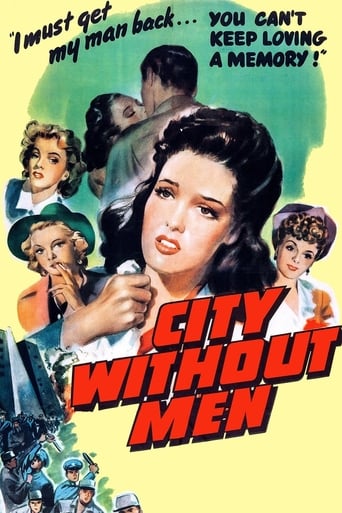
American film director and producer who worked extensively during Hollywood's Golden Age. He began his career in the 1930s and directed over 50 films throughout his career, establishing himself as a reliable journeyman director. Salkow was known for his versatility, working across multiple genres including film noir, westerns, dramas, and science fiction. He directed 'City Without Men' in 1943, which starred Linda Darnell and Edgar Buchanan, dealing with the controversial topic of women living near a men's prison. Later in his career, he transitioned successfully to television, directing episodes of popular series like 'Lassie,' 'Bonanza,' and 'The Adventures of Superman.' Salkow was renowned for his efficient work ethic and ability to deliver films on time and within budget, making him a valuable asset to studios. His three decades of significant changes in the film industry, from the studio system era to the rise of television. He retired from directing in the late 1960s after a prolific and varied career in both film and television.
The Craft
Behind the Camera
Salkow was known for his straightforward, no-nonsense approach to filmmaking. He had a reputation for being efficient and reliable, often completing films ahead of schedule and under budget. His directing style was clean and functional, focusing on clear storytelling rather than artistic flourishes. Salkow was particularly adept at working within the constraints of B-movie budgets while maintaining professional production values. He had a knack for extracting solid performances from his actors and was comfortable directing both dramatic scenes and action sequences.
Milestones
- Directed over 50 feature films
- Successfully transitioned to television directing in the 1950s
- Directed 'City Without Men' (1943)
- Directed episodes of 'Bonanza' and 'Lassie'
- Worked across multiple genres including westerns, noir, and science fiction
Best Known For
Must-See Films
Accolades
Nominated
- Academy Award nomination for Best Dance Direction for 'The Big Show' (1936)
Special Recognition
- Recognized for his prolific output with over 100 directing credits across film and television
Working Relationships
Worked Often With
Studios
Why They Matter
Impact on Culture
While not a celebrated auteur, Sidney Salkow contributed significantly to Hollywood's Golden Age through his prolific output across multiple genres. His work helped define the B-movie aesthetic of the 1930s and 1940s, providing entertainment for audiences during challenging economic times. Salkow's transition to television in the 1950s positioned him as an important figure in the early days of the medium, helping establish the visual language and storytelling techniques of episodic television. His westerns and action films contributed to the development of genre conventions that would influence later filmmakers. His film 'City Without Men' tackled socially relevant themes about women's independence and relationships with incarcerated men, reflecting the changing social dynamics of wartime America.
Lasting Legacy
Sidney Salkow's legacy lies in his remarkable productivity and versatility as a director. With over 100 directing credits across film and television, he represents the journeyman director who was the backbone of Hollywood's studio system. His films, while not critically acclaimed masterpieces, have found appreciation among classic film enthusiasts and genre specialists. Salkow's work ethic and ability to deliver quality entertainment on limited budgets set a standard for professional filmmaking that influenced subsequent generations of television directors. His career trajectory from feature films to television also mirrors the broader evolution of the entertainment industry in the mid-20th century, making him a representative figure of this transitional period in American media.
Who They Inspired
Salkow influenced television directors who followed him through his efficient shooting techniques and ability to work within tight production schedules. His genre films, particularly westerns and science fiction movies, contributed to the development of visual and narrative conventions that would be refined by later directors. His adaptation strategies for television helped establish approaches to episodic storytelling that became industry standards. Directors who worked with him noted his professionalism and ability to solve practical filmmaking challenges, lessons that they carried forward in their own careers.
Off Screen
Sidney Salkow was married to actress and screenwriter Marion Hargrove from 1942 until her death in 1986. The couple had two children together. Salkow was known as a family man who maintained a stable personal life despite the demands of his career in Hollywood. After retiring from directing, he lived in Los Angeles until his death in 1991 at the age of 81. He was respected by his colleagues for his professionalism and dedication to the craft of filmmaking.
Education
Graduated from New York University
Family
- Marion Hargrove (1942-1986)
Did You Know?
- Directed episodes of the popular TV series 'Lassie' in the 1950s
- Worked with Bela Lugosi on 'The Return of the Vampire' (1944)
- Directed the first film adaptation of 'The Last Time I Saw Paris' (1954)
- Made over 50 feature films during his career
- Successfully transitioned from film to television during the 1950s
- Was known for completing films ahead of schedule and under budget
- Directed 'The Big Show' (1936), which was nominated for an Academy Award for Best Dance Direction
- Worked across multiple genres including westerns, film noir, horror, and science fiction
- His film 'City Without Men' (1943) dealt with the controversial topic of women living near a men's prison
- Was one of the few directors who worked consistently through the transition from the studio system to independent production
In Their Own Words
In this business, you learn to be professional above all else. The art comes second to getting the job done.
Every film is a new challenge, whether it's a big budget epic or a quick programmer. You give it your best regardless.
Television didn't kill movies, it just changed how we tell stories. The same principles apply, just on a smaller screen.
Frequently Asked Questions
Who was Sidney Salkow?
American on YTB.my.
What films is Sidney Salkow best known for?
Titles linked here include City Without Men (1943), The Last Time I Saw Paris (1954).
When was Sidney Salkow born and when did he die?
Born June 16, 1910; died October 18, 1991.
What awards did Sidney Salkow win?
While Salkow didn't receive major personal awards, his film 'The Big Show' (1936) was nominated for an Academy Award for Best Dance Direction.
What was Sidney Salkow's directing style?
Salkow was known for his efficient, straightforward approach to filmmaking, often completing projects ahead of schedule and under budget while maintaining professional production values.
Did Sidney Salkow work in television?
Yes, Salkow successfully transitioned to television in the 1950s, directing episodes of popular series including 'Lassie,' 'Bonanza,' and 'The Adventures of Superman.'
What genres did Sidney Salkow work in?
Salkow was highly versatile, working across multiple genres including westerns, film noir, horror, science fiction, dramas, and comedies throughout his career.