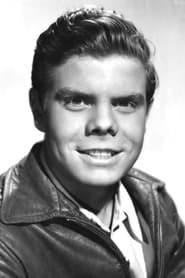
Tommy Bond
Actor
- Born
- September 16, 1926, Dallas, Texas, United States
- Died
- September 24, 2025
- Active
- 1936-1940s
- Birth name
- Thomas Ross Bond
Films 1
About Tommy Bond
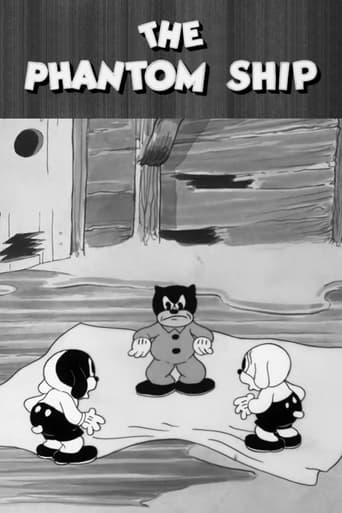
Tommy Bond was an American child actor of the classic Hollywood era whose screen career began in the mid-1930s and is best remembered for appearing in the Our Gang/Spanky and Our Gang shorts, where he quickly became one of the most recognizable juvenile performers of the period. He was a working child performer during the Depression-era studio system, a time when youthful character types were carefully molded by producers and recurring series made familiar faces out of young actors. Bond's early film work, including The Phantom Ship (1936), came during the same period in which he was building a reputation as a dependable, expressive supporting player in comedy shorts and family entertainment. He is especially remembered by film historians and classic-comedy fans for his association with the Our Gang ensemble and for the mischievous, often combative screen persona that contrasted with the sweeter child images common in Hollywood. After his period of prominence as a child actor, he transitioned away from acting and did not remain a major fixture of adult Hollywood stardom, which makes his surviving film appearances especially valuable to scholars of juvenile performance. His career is a notable example of the many talented child actors of the studio era whose work became embedded in popular memory through serial short subjects rather than feature-length stardom. Because the name Tommy Bond can also refer to other people outside classic cinema, this profile refers to the American child actor associated with The Phantom Ship and the Our Gang series.
More about Tommy Bond
On screen
Bond's acting style, as seen in surviving classic-comedy work, was naturalistic for a child performer of the studio era, but sharpened by broad physical expression suited to short subject comedy. He was effective at playing energetic, sometimes defiant boys whose reactions had to read instantly in fast-moving ensemble scenes. Rather than relying on melodramatic mannerisms, he projected a blunt, boyish directness that fit the rhythm of Our Gang-style storytelling. His performances depended heavily on timing, facial expression, and a quick responsiveness to other children and adult authority figures.
In film history
Tommy Bond's cultural impact lies primarily in the enduring popularity of the Our Gang shorts, which became one of the most widely remembered juvenile comedy franchises in American screen history. As one of the better-known child faces in that universe, he contributed to the template of the tough, quick-tempered, but still endearing neighborhood boy that later children's comedies would repeatedly echo. His work remains part of the shared memory of classic Hollywood childhood performance, especially for viewers raised on television syndication packages of old shorts. For film historians, he represents the way studio-era child actors could become cultural touchstones even without transitioning into adult stardom.
Later reputation
Bond's lasting legacy is inseparable from the preservation and circulation of classic short subjects, especially the Our Gang films, which continued to find audiences long after the theatrical short-subject market faded. His performances are studied as part of the history of child acting in Hollywood, showing how the studio system created recurring juvenile archetypes and built audience attachment around them. Because he remained associated with one of the most famous comedy series of the era, his image survives in film scholarship, retrospectives, and nostalgia programming. He is also remembered as part of the broader generation of child performers whose work documents the social and comedic sensibilities of Depression-era America.
Influence
Bond influenced later child-comedy performances indirectly through the popularity of the character type he helped embody: brash, energetic, and emotionally readable on camera. His work helped reinforce the ensemble-child dynamic that became a standard for youth-centered comedy shorts and television children's ensembles. While he was not a major adult star or a known mentor in the industry, the durability of his performances helped shape audience expectations for child roles in family entertainment. His legacy is strongest among historians of juvenile acting and of the Our Gang format itself.
Off screen
Tommy Bond was born Thomas Ross Bond in Dallas, Texas, and entered the film industry as a child. Like many child actors of the studio period, his professional life was shaped by the demands of production schedules and the short-subject system, and his public identity remained tied to his screen work rather than to later adult fame. Outside his early acting career, he lived a comparatively private life relative to major Hollywood stars, and detailed public documentation of his family life is limited in standard classic-cinema references. He later became better known among vintage-film enthusiasts than to the general public, which is common for performers whose fame was concentrated in childhood. He died in 2025 at the age of 99.
Education
Specific formal educational details are not well documented in standard classic-cinema reference sources; like many child actors of his era, his early years were likely divided between schooling and studio work.
Credits
- Appeared in The Phantom Ship (1936), one of the early screen credits associated with his childhood film career
- Became widely recognized as a recurring child performer in the Our Gang/Spanky and Our Gang series
- Established a memorable screen persona as a sturdy, mischievous juvenile supporting player in Depression-era shorts
- Represents one of the better-remembered child actors of the late silent/early sound transition generation of series comedy performers
- His Our Gang appearances ensured continued visibility in television syndication and classic-comedy retrospectives for decades after his active years
Roles
- Recurring Our Gang/Spanky and Our Gang child character roles
- Supporting juvenile roles in Depression-era comedy shorts
- Child role in The Phantom Ship (1936)
Films
- The Phantom Ship (1936)
- Various Our Gang/Spanky and Our Gang shorts
- Selected MGM-era juvenile comedy shorts of the late 1930s
Collaborators
- Our Gang ensemble cast members
- Short-subject directors associated with the Our Gang series
- George McFarland
- Carl "Alfalfa" Switzer
- Billie Thomas
Studios
- MGM
- Hal Roach Studios
Notes
- Tommy Bond is one of the many classic Hollywood child actors whose best-known work came in short subjects rather than feature films.
- He is remembered by fans of vintage comedy for playing rough-and-tumble boy characters that contrasted with more innocent child-screen images.
- The Phantom Ship (1936) is among the early film credits used to identify his screen career in film databases.
- He was part of the studio-era system in which child actors were frequently cast in recurring series and ensemble comedies.
- His name is sometimes confused with non-actor figures of the same name, so classic-film references usually identify him through his childhood filmography.
- His Our Gang-era appearances helped keep his image alive through television reruns and home-video circulation long after the original theatrical runs.
- As a child performer, he worked during a period when Hollywood relied heavily on recurring series to build familiar faces for audiences.
- He lived to an advanced age, making him one of the long-surviving figures associated with the 1930s child-performer generation.
Questions
Who was Tommy Bond?
Tommy Bond was an American child actor best known for his work in classic Hollywood shorts, especially the Our Gang series. He also appeared in The Phantom Ship (1936), which is one of the credits used to identify his early screen career.
What films is Tommy Bond best known for?
He is best known for The Phantom Ship (1936) and for his recurring appearances in Our Gang/Spanky and Our Gang short comedies. Those shorts made him a familiar face to audiences who followed the series.
When was Tommy Bond born and when did he die?
Tommy Bond was born on September 16, 1926, in Dallas, Texas, United States. He died on September 24, 2025.
What awards did Tommy Bond win?
There are no widely documented major industry awards or nominations associated with Tommy Bond in standard classic-cinema reference sources. His recognition comes mainly from his memorable child performances and his place in the Our Gang legacy.
What was Tommy Bond's acting style?
Bond’s style was naturalistic but lively, with strong physical expressiveness suited to fast-paced short comedy. He played boyish, energetic, and sometimes combative characters whose reactions were easy for audiences to read immediately.
What is Tommy Bond's legacy in film history?
His legacy is tied to the enduring popularity of the Our Gang shorts and to the history of child acting in Hollywood. He remains a recognizable figure among classic-film fans and historians studying the studio-era child performer.
Was Tommy Bond a major adult movie star?
No, his fame was concentrated in childhood rather than in an adult acting career. He is remembered primarily as a classic child performer from the 1930s studio system.