Films
1 film
About Eleanor Griffith
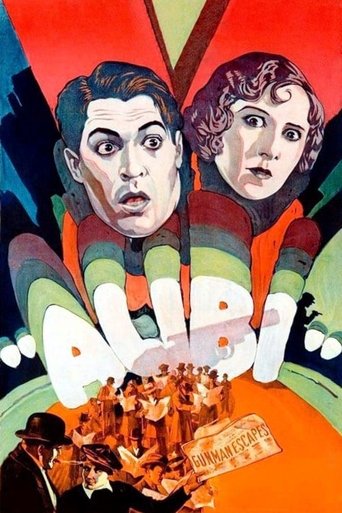
This archive lists one role for Eleanor Griffith: Alibi (1929). Her known film career was remarkably brief, spanning only the year 1929, with her sole documented appearance being in the early sound film 'Alibi.' This film was significant as one of the early talkies produced during Hollywood's rapid conversion to sound technology. Griffith played the character Mary, supporting the lead actors in this crime drama that was adapted from a successful Broadway play. Like many actors of this transitional era, she may have struggled to adapt to the new demands of sound acting, which required different vocal techniques compared to silent film performance. Her brief appearance in cinema history represents the countless performers who participated in early sound films but did not achieve lasting fame during this revolutionary period in filmmaking.
The Craft
Milestones
- Appeared in 'Alibi' (1929), one of the early sound films during Hollywood's transition to talkies
Best Known For
Iconic Roles
Must-See Films
Why They Matter
Impact on Culture
Eleanor Griffith's contribution to cinema, while brief, is part of the broader historical context of Hollywood's transition from silent films to talkies. Her appearance in 'Alibi' (1929) places her among the generation of actors who navigated the challenging technical and artistic demands of early sound cinema. While she did not achieve lasting fame, performers like Griffith were essential to the film industry during this revolutionary period, helping to establish the foundation for modern sound acting techniques. Her work represents the countless supporting actors who contributed to early talkies but whose names have faded from popular memory, yet remain part of cinema's evolutionary history.
Lasting Legacy
Eleanor Griffith's legacy is primarily that of a representative figure from the early sound era, illustrating the transient nature of many acting careers during Hollywood's technological revolution. Her sole documented film appearance in 'Alibi' (1929) serves as a historical artifact of early sound cinema and the challenges actors faced during this transitional period. While she did not achieve the lasting recognition of her more famous contemporaries, her participation in early talkies contributes to our understanding of cinema history and the many performers who helped shape the medium during its formative years of sound.
Who They Inspired
Due to her extremely brief and documented career, there is no evidence of Eleanor Griffith having influenced other actors or directors in any significant way. Her limited filmography suggests she was likely one of many actors who attempted to transition from silent to sound films but did not establish a lasting career in the new medium.
Off Screen
Very little information is available about Eleanor Griffith's personal life, which is not uncommon for actors who had brief careers in the early sound era. Like many supporting actors of her time, detailed biographical information was not extensively documented, especially for those who did not achieve stardom.
Did You Know?
- Eleanor Griffith's entire known film career consists of just one film in 1929
- Her film 'Alibi' was one of the early talkies during Hollywood's sound revolution
- The film 'Alibi' was based on a 1928 Broadway play of the same name
- Like many actors of her era, she may have been a stage actor transitioning to films
- Her character Mary was a supporting role in the crime drama 'Alibi'
- The film was directed by Roland West, known for his mystery films
- Early sound films like 'Alibi' often had technical limitations that challenged actors
Frequently Asked Questions
Who was Eleanor Griffith?
American actress active in 1929, known primarily for her role as Mary in the early sound film 'Alibi.' Her career appears to have been very brief, with this being her only documented film appearance during Hollywood's transition from silent films to talkies.
What films is Eleanor Griffith best known for?
Titles linked here include Alibi (1929).
When was Eleanor Griffith born and when did she die?
Unfortunately, specific birth and death dates for Eleanor Griffith are not documented in available historical records, which is not uncommon for actors who had brief careers in the early sound era.
What awards did Eleanor Griffith win?
There are no records of Eleanor Griffith receiving any major awards or nominations, which is typical for actors with very brief careers in early cinema, especially in supporting roles.
What was Eleanor Griffith's acting style?
Due to the limited documentation of her work, specific details about Eleanor Griffith's acting style are not available. As an actor in early sound films, she would have been part of the generation transitioning from silent film techniques to the new demands of sound acting.