Lewis Brody
Actor
Born: February 15, 1892 in Douala, Cameroon (German Kamerun) Died: February 11, 1952 Active: 1919-1955 Birth Name: M'bebe Mpessa
Films
1 film
About Lewis Brody
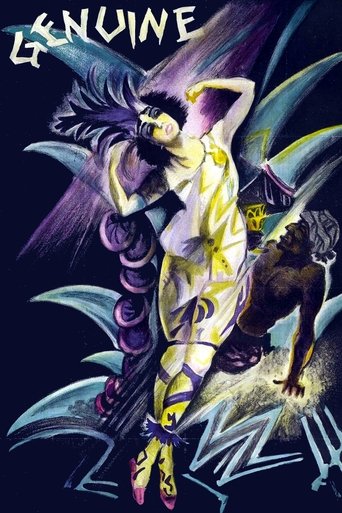
Lewis Brody, born Louis Brody with the birth name M'bebe Mpessa, was an African-German actor who became prominent Black performers in German cinema during the silent era and early sound period. Born in Cameroon when it was a German colony, he moved to Germany and established a remarkable career that spanned over three decades and more than 100 films. Brody worked through dramatically different political regimes, from the Weimar Republic through Nazi Germany to post-war West Germany, demonstrating extraordinary resilience in an industry that offered limited opportunities to actors of color. His most significant appearance was in Robert Wiene's expressionist masterpiece 'Genuine: The Tragedy of a Vampire' (1920), which placed him at the center of artistic movements in German film history. Despite often being cast in stereotypical roles that reflected the racial prejudices of the time, Brody's commanding screen presence and distinctive appearance made him a recognizable figure in German cinema. His career represents not only personal achievement but also shows the complex history of Black representation in European film during the first half of the 20th century.
The Craft
On Screen
Brody developed a distinctive acting style that combined the exaggerated physicality required for silent film with a dignified presence that often transcended the stereotypical roles he was given. His tall, imposing stature and expressive features made him particularly effective in the expressionist films of the 1920s, where dramatic physical performance was essential. Despite the limitations of typecasting, he brought depth and gravitas to his characters, often elevating minor roles through his commanding screen presence. His ability to adapt his performance style from the melodramatic requirements of silent cinema to the more naturalistic approach of sound films demonstrated remarkable versatility and professionalism.
Milestones
- Breakthrough role in 'Genuine: The Tragedy of a Vampire' (1920)
- Prolific career with over 100 film appearances
- One of the first prominent Black actors in German cinema
- Survived and worked through three different German political regimes
- Transitioned successfully from silent films to sound cinema
Best Known For
Iconic Roles
Must-See Films
Accolades
Special Recognition
- Recognized as a figure in German cinema history
- Posthumously acknowledged as an important figure in Black German history
Working Relationships
Worked Often With
Studios
Why They Matter
Impact on Culture
Lewis Brody's career represents a significant chapter in the history of Black representation in European cinema. As one of the first and most visible Black actors in German film, he helped establish a presence for performers of color in an industry that was overwhelmingly white. His work during the expressionist period placed him at the forefront of one of cinema's most important artistic movements, albeit in often limited roles. Brody's longevity in the industry, spanning from the Weimar Republic through Nazi Germany to post-war cinema, demonstrates both his professional adaptability and the complex ways in which Black performers navigated the German film industry. His career serves as an important reference point for understanding the history of race in European cinema and the ways in which actors of color worked within and sometimes subtly subverted the limitations imposed by racial stereotypes.
Lasting Legacy
Lewis Brody's legacy lies in his role as one of the first prominent Black actors in German cinema and his remarkable ability to sustain a career across dramatically different political and social climates. His filmography provides valuable documentation of how Black characters were portrayed in German cinema from the 1920s through the 1950s. Modern film historians and scholars of Black German history recognize Brody as an important figure who opened doors for future generations of performers of color in European cinema. His story is increasingly being rediscovered and celebrated as part of the broader narrative of diversity in film history, highlighting the contributions of performers who worked against significant odds to leave their mark on cinema.
Who They Inspired
While direct documentation of Brody's influence on other performers is limited, his long career and visibility undoubtedly paved the way for future Black actors in German and European cinema. His ability to work consistently in the German film industry demonstrated that performers of color could have lasting careers in European cinema, even within the constraints of the time. Contemporary Black German actors and filmmakers often reference figures like Brody when discussing the history of Black presence in German media. His career serves as an inspiration and historical precedent for discussions about diversity and representation in European film industries.
Off Screen
Lewis Brody married Erna Brody and maintained a family life in Berlin throughout his long career. Despite facing racial discrimination and the challenges of being a Black man in Germany through multiple political regimes, he managed to sustain his career and family life. His personal resilience was remarkable, particularly during the Nazi period when many Black Germans faced persecution. Brody's ability to continue working in the German film industry during such turbulent times speaks to both his professional adaptability and personal fortitude.
Education
Details about formal education are not well documented, but he likely received training in performance arts after arriving in Germany
Family
- Erna Brody
Did You Know?
- Born in Cameroon when it was a German colony, originally named M'bebe Mpessa
- Appeared in over 100 films during his 36-year career
- One of the few Black actors to work continuously through the Nazi period
- His real name was sometimes anglicized as 'Louis Brody' in film credits
- Worked with some of the most important directors in German cinema history
- His role in 'Genuine' placed him in the center of German expressionist cinema
- Managed to transition successfully from silent films to sound cinema
- His active years covered three different German political systems
- Often cast as servants, natives, or other stereotypical roles common for the era
- Maintained his career despite increasing racial restrictions during the Nazi era
In Their Own Words
No documented famous quotes are available from Lewis Brody's career
Frequently Asked Questions
Who was Lewis Brody?
African-German with credits in this catalog. Born in Cameroon as M'bebe Mpessa, he appeared in over 100 films between 1919 and 1955, including the expressionist classic 'Genuine: The Tragedy of a Vampire' (1920). His active years covered three different German political regimes, making him a unique figure in film history.
What films is Lewis Brody best known for?
Titles linked here include Genuine: The Tragedy of a Vampire (1920), Der Weg zum Glück (1925).
When was Lewis Brody born and when did he die?
Born February 15, 1892; died February 11, 1952.
What awards did Lewis Brody win?
There are no documented formal awards or nominations that Lewis Brody received during his lifetime, which was common for actors of color during his era. However, he has been posthumously recognized by film historians and scholars as a figure in German cinema and Black German history. His legacy is increasingly being acknowledged in contemporary discussions about diversity in European film history.
What was Lewis Brody's acting style?
Lewis Brody developed a distinctive acting style that combined the exaggerated physicality required for silent film with a dignified, commanding presence. His tall stature and expressive features made him particularly effective in expressionist films where dramatic physical performance was essential. He successfully adapted his style from the melodramatic requirements of silent cinema to the more naturalistic approach of sound films, demonstrating remarkable versatility throughout his long career.