
Ruth Weyher
Actor
Born: January 28, 1901 in Neumark, West Prussia, Germany (Now Nowy Targ, Poland) Died: January 27, 1983 Active: 1923-1927
Films
2 films

About Ruth Weyher
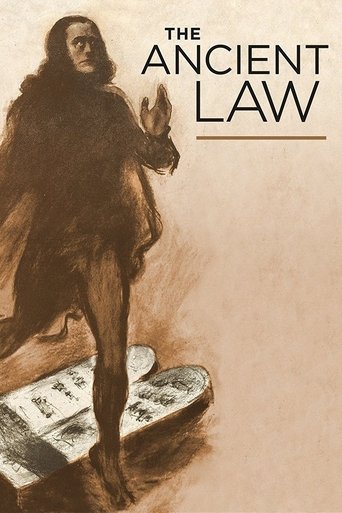
German actress who rose to prominence during the golden age of German silent cinema in the early 1920s. Born in Neumark, West Prussia (now Poland), she began her acting career in the early 1920s and quickly established herself as a talented performer in the German film industry. Her most notable role was in the acclaimed 1923 silent film 'The Ancient Law' (Das alte Gesetz), directed by Ewald André Dupont, which was German films of its era dealing with themes of tradition versus modernity in Jewish society. Weyher's career was relatively brief but impactful, spanning primarily from 1923 to 1927, during which she appeared in several notable German productions. She worked with some of the most respected directors of the Weimar Republic period, including F.W. Murnau and Carl Froelich. Her acting style was characteristic of the German expressionist movement, with dramatic gestures and intense emotional expression that suited the silent medium perfectly. After marrying director Carl Boese in 1925, she gradually reduced her on-screen appearances, eventually retiring from acting by the late 1920s as German cinema transitioned to sound films.
The Craft
On Screen
Ruth Weyher embodied the German expressionist acting style with its emphasis on dramatic physicality and intense emotional expression. Her performances were characterized by exaggerated gestures and facial expressions that effectively conveyed complex emotions in the silent medium. She possessed a natural screen presence that allowed her to transition between the stylized expressionist approach and the more naturalistic New Objectivity style that emerged in mid-1920s German cinema.
Milestones
- Starred in 'The Ancient Law' (1923),
- Worked with director Ewald André Dupont
- Appeared in F.W. Murnau's 'The Grand Duke's Finances' (1924)
- Married prominent director Carl Boese in 1925
- Represented the transition period from German Expressionism to New Objectivity in film
Best Known For
Iconic Roles
Must-See Films
Accolades
Special Recognition
- Recognized as part of the German silent film legacy in film retrospectives
- Featured in German cinema history exhibitions
Working Relationships
Worked Often With
Studios
Why They Matter
Impact on Culture
Ruth Weyher contributed to the German silent cinema during its most creative period. Her performance in 'The Ancient Law' was part of a film that courageously addressed themes of religious tradition, artistic freedom, and social change in Weimar Germany. The film was significant for its sympathetic portrayal of Jewish life and its critique of religious intolerance, themes that were particularly bold for its time. Weyher's work exemplified the artistic excellence of German cinema in the 1920s, a period that would heavily influence international film development.
Lasting Legacy
Though her career was brief, Ruth Weyher remains an important figure in the history of German silent cinema. Her films are preserved and studied by film historians as examples of the artistic achievements of the Weimar Republic period. 'The Ancient Law' in particular has been restored and screened at international film festivals, ensuring that her contribution to cinema continues to be recognized. She represents the generation of talented actors who helped establish German cinema as a major artistic force in the 1920s.
Who They Inspired
Ruth Weyher's acting style influenced the transition from expressionist to more realistic performances in German cinema. Her ability to adapt her dramatic approach to different directorial visions demonstrated the versatility required in silent film acting. While not as widely remembered as some of her contemporaries, her work contributed to the development of film acting techniques that would be refined in subsequent decades.
Off Screen
Ruth Weyher married German film director Carl Boese in 1925, which significantly influenced her career trajectory. Boese was a prominent figure in German cinema known for directing numerous films throughout the 1920s and 1930s. The marriage led to Weyher's gradual retirement from acting as she focused on her family life. The couple remained married until Boese's death in 1958. Weyher spent her later years in Garmisch-Partenkirchen, Bavaria, away from the film industry spotlight.
Education
Limited information available, likely received dramatic training in Berlin during the early 1920s
Family
- Carl Boese (1925-1958)
Did You Know?
- Her birthplace Neumark, West Prussia is now part of modern-day Poland
- She died one day before her 82nd birthday
- Her husband Carl Boese directed over 70 films during his career
- 'The Ancient Law' was one of the first German films to deal sympathetically with Jewish themes
- The film featured a score by noted composer Edmund Meisel
- Weyher's career coincided with the peak of German Expressionist cinema
- She retired from acting just as German cinema was transitioning to sound films
- Her films were often screened in both Germany and international markets
- She was part of the generation that witnessed the dramatic changes in German society during the Weimar Republic
In Their Own Words
No documented famous quotes from Ruth Weyher are available in historical records
Frequently Asked Questions
Who was Ruth Weyher?
German actress who worked in silent films during the 1920s, best known for her role in 'The Ancient Law' (1923). She was active during the golden age of German cinema and worked with prominent directors of the Weimar Republic era.
What films is Ruth Weyher best known for?
Titles linked here include The Ancient Law (1923), The Grand Duke's Finances (1924).
When was Ruth Weyher born and when did she die?
Born January 28, 1901; died January 27, 1983.
What awards did Ruth Weyher win?
There are no documented major awards or nominations for Ruth Weyher, which was common for actors of her era during the silent film period. Her recognition comes primarily from her contribution to German cinema history and the preservation of her films.
What was Ruth Weyher's acting style?
Ruth Weyher's acting style was characteristic of German Expressionist cinema, featuring dramatic physical gestures and intense emotional expression suitable for silent films. She could adapt between stylized expressionist techniques and the more naturalistic New Objectivity style that emerged in mid-1920s German cinema.
Why did Ruth Weyher's career end so early?
Ruth Weyher's career ended in the late 1920s primarily due to her marriage to director Carl Boese in 1925 and the transition from silent to sound films in German cinema. Like many actors of her generation, she chose to retire rather than adapt to the new technical requirements of sound films.