Films
1 film
About Erik A. Petschler
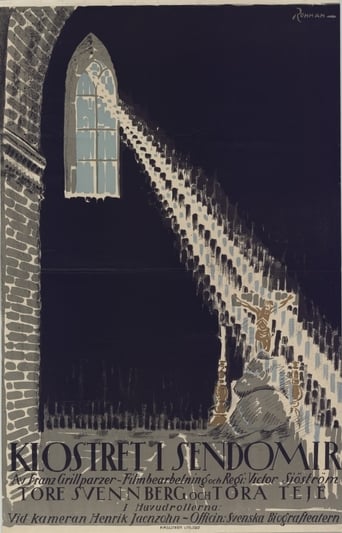
Erik A. Petschler appears once in this catalog: The Monastery of Sendomir (1920). Known primarily for his role in the 1920 film 'The Monastery of Sendomir' (original Swedish title: 'Klostret i Sendomir'). His career in cinema appears to have been extremely brief, with his entire filmography concentrated around the year 1920. Petschler emerged during the golden age of Swedish cinema, a period for their artistic quality and technical innovation. Despite the limited scope of his film work, he was part of a significant movement in European cinema that emphasized atmospheric storytelling and visual artistry. His participation in 'The Monastery of Sendomir' placed him alongside other talented Swedish actors and filmmakers of the era who were helping to establish cinematic techniques that would influence filmmakers worldwide. The film itself was based on a story by Franz Grillparzer and represented the kind of literary adaptations that were popular in European cinema of the period.
The Craft
Milestones
- Appeared in 'The Monastery of Sendomir' (1920) during the peak of Swedish silent cinema
Best Known For
Iconic Roles
Must-See Films
Why They Matter
Impact on Culture
Erik A. Petschler's contribution to cinema, while limited in scope, represents the collaborative nature of early Swedish filmmaking during its internationally acclaimed period. The 1920s marked a significant era for Swedish cinema, with directors like Victor Sjöström and Mauritz Stiller gaining international recognition. Actors like Petschler, even in smaller roles, were part of this artistic movement that helped establish cinematic language and techniques that would influence filmmakers globally. His work in 'The Monastery of Sendomir' contributed to the film's ability to convey emotional depth and atmospheric storytelling characteristic of the best Swedish silent films.
Lasting Legacy
Erik A. Petschler's legacy is preserved through his participation in 'The Monastery of Sendomir,' a film that stands as an example of early 20th century Swedish cinematic artistry. While he may not have achieved the lasting fame of some of his contemporaries, his contribution to this significant work of silent cinema ensures his place in film history. The film itself has been studied by cinema historians as representative of the artistic achievements of Swedish cinema during its golden age, and all performers involved, including Petschler, are recognized as part of this important cultural achievement.
Who They Inspired
Due to the brief nature of his film career and limited documentation of his work, specific information about Erik A. Petschler's influence on other actors or filmmakers is not readily available. However, as part of the ensemble that created 'The Monastery of Sendomir,' he contributed to a film that exemplified the high artistic standards of Swedish cinema that would later influence international filmmakers, including those who would eventually work in Hollywood.
Off Screen
Very limited information is available about Erik A. Petschler's personal life, which is common for many supporting actors from the silent era who did not achieve widespread fame. Like many actors of his era, he may have come from a theatrical background or been drawn to the emerging medium of cinema during its early years in Sweden.
Did You Know?
- Erik A. Petschler's entire known film career appears to have been confined to the single year of 1920
- He appeared in 'The Monastery of Sendomir' during what is considered the golden age of Swedish silent cinema
- The film was based on a story by Austrian playwright Franz Grillparzer
- Swedish cinema of the 1920s was internationally acclaimed for its artistic quality and technical innovation
- Very little biographical information survives about many supporting actors from this era, including Petschler
- The film 'The Monastery of Sendomir' was directed by Ivan Hedqvist, a notable figure in early Swedish cinema
- Petschler's career coincided with the period when Swedish films were regularly exported and appreciated internationally
Frequently Asked Questions
Who was Erik A. Petschler?
Swedish with credits in this catalog.' His career appears to have been extremely brief, with his film work concentrated entirely around the year 1920 during the golden age of Swedish cinema.
What films is Erik A. Petschler best known for?
Titles linked here include The Monastery of Sendomir (1920).
When was Erik A. Petschler born and when did he die?
Specific birth and death dates for Erik A. Petschler are not readily available in historical records, which is common for many supporting actors from the silent era who did not achieve widespread fame. He is known to have been active as an actor in 1920.
What awards did Erik A. Petschler win?
There are no documented awards or nominations for Erik A. Petschler, which is typical for many actors from the silent era, especially those who had brief careers or primarily appeared in supporting roles.
What was Erik A. Petschler's acting style?
Specific details about Erik A. Petschler's acting style are not well-documented, but as an actor in Swedish silent cinema, he would have worked within the theatrical yet naturalistic style that characterized the best Swedish films of the 1920s, which emphasized emotional authenticity and subtle expression.