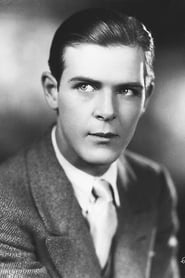
Donald Keith
Actor
Born: January 6, 1903 in Boston, Massachusetts, USA Died: March 24, 1969 Active: 1925-1927 Birth Name: Donald Keith Keith
Films
2 films
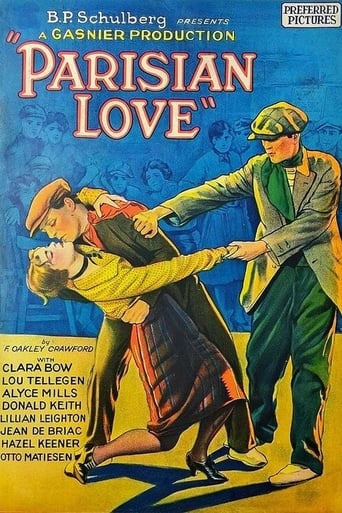
About Donald Keith
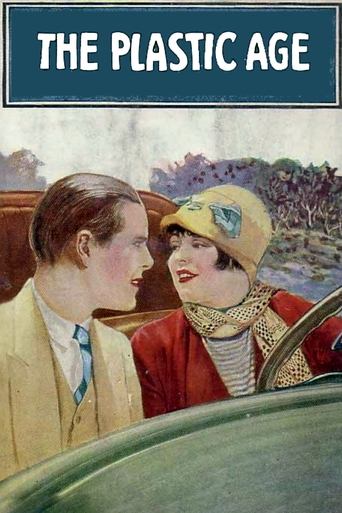
American actor who rose to prominence during the silent film era of the mid-1920s. He made his mark in Hollywood as a handsome leading man, particularly known for his role opposite Clara Bow in the 1925 sensation 'The Plastic Age.' Keith's career, though brief, was representative of the transient nature of stardom during the silent era, where many actors found fleeting fame before the industry's transition to sound. Donald appears in approximately a dozen films between 1925 and 1927, often playing the romantic lead or the clean-cut college student type that was popular in youth-oriented films of the period. His screen presence embodied the wholesome, athletic ideal that Hollywood promoted in the 1920s. Like many of his contemporaries, Keith's career waned as the talkies revolutionized the industry, and he gradually disappeared from the silver screen by the end of the decade. His legacy remains tied primarily to his work in early Hollywood's exploration of youth culture and campus life.
The Craft
On Screen
Keith's acting style was typical of the silent era leading man - expressive, romantic, and physically dynamic. He utilized the exaggerated gestures and facial expressions required for silent film performance, while maintaining a natural athletic presence that suited his frequent casting in college-themed productions. His screen persona embodied the wholesome, all-American youth ideal popular in 1920s cinema.
Milestones
- Breakthrough role in 'The Plastic Age' (1925) opposite Clara Bow
- Leading man status at Paramount Pictures during mid-1920s
- Transition from stage actor to film star
- Multiple collaborations with director Wesley Ruggles
Best Known For
Iconic Roles
Must-See Films
Working Relationships
Worked Often With
Studios
Why They Matter
Impact on Culture
Donald Keith's contribution to cinema lies primarily in his role as a representative figure of the 1920s youth-oriented film trend. Through his work in 'The Plastic Age' and similar productions, he helped establish the archetype of the college-age romantic lead that would influence Hollywood for decades. His films captured the burgeoning youth culture of the Roaring Twenties, addressing themes of rebellion, romance, and social change that resonated with young audiences. While his individual career was brief, his body of work serves as an important historical document of how Hollywood portrayed and marketed to young adults during the silent era.
Lasting Legacy
Donald Keith's legacy is that of a typical silent-era leading man whose career exemplifies both the opportunities and limitations of early Hollywood stardom. His most enduring contribution is his performance in 'The Plastic Age,' which remains a significant artifact of 1920s cinema and youth culture. Though largely forgotten today, film historians and silent cinema enthusiasts recognize him as part of the generation of actors who defined the romantic ideals of their era. His career trajectory also illustrates the dramatic impact of the transition to sound films, which ended many promising careers like his.
Who They Inspired
Keith influenced subsequent portrayals of the college student/young romantic lead type in Hollywood films. His work with Clara Bow helped establish certain dynamics in romantic pairings that would be replicated in later films. While he didn't directly mentor other actors, his screen performances provided a template for the wholesome, athletic leading man that would be refined by later actors in sound films.
Off Screen
Donald Keith was born into a middle-class family in Boston and showed early interest in performing arts. He began his career on the Broadway stage before transitioning to films in Hollywood. After his film career ended, he largely withdrew from public life and worked in various business ventures. He married in the 1930s and spent his later years away from the entertainment industry, living a quiet life with his family.
Education
Attended local schools in Boston, later studied drama at a small acting school in New York
Family
- Margaret Keith (1930s-1969)
Did You Know?
- His real last name was also Keith, making his stage name essentially his birth name
- He was discovered while performing in a Broadway production
- The Plastic Age was his film debut and most famous role
- He was considered one of Hollywood's most eligible bachelors during his brief period of stardom
- Like many silent actors, he had a pleasant singing voice but was unable to transition successfully to talkies
- He was physically athletic and performed many of his own stunts
- His career lasted only two years, making him one of Hollywood's shortest-lived leading men
- He retired from acting before the full transition to sound films
- His films are now primarily of interest to silent film historians and collectors
- He never gave interviews about his brief Hollywood career after retiring
In Their Own Words
On his sudden fame: 'It came as quickly as summer lightning and disappeared just as fast'
On acting in silents: 'We had to speak with our eyes, our hands, our very being'
Frequently Asked Questions
Who was Donald Keith?
American with credits in this catalog. He is best remembered for his role as Hugh Carver in the 1925 film 'The Plastic Age' opposite Clara Bow, which established him as a promising young leading man before his career ended just two years later.
What films is Donald Keith best known for?
Titles linked here include The Plastic Age (1925), The Man Upstairs (1926).
When was Donald Keith born and when did he die?
Born January 6, 1903; died March 24, 1969.
What awards did Donald Keith win?
Donald Keith did not receive any major awards or nominations during his brief career. The Academy Awards were not established until 1929, after his film career had already ended, and he was not recognized with other industry honors of his time.
What was Donald Keith's acting style?
Keith's acting style was characteristic of silent era leading men - expressive and physically dynamic, utilizing exaggerated gestures and facial expressions to convey emotion. He specialized in portraying wholesome, athletic young men, particularly in college-themed films that were popular in the 1920s.