
Lillian Rich
Actor
Born: January 1, 1894 in San Francisco, California, United States Died: January 5, 1957 Active: 1920-1925
Films
1 film
About Lillian Rich
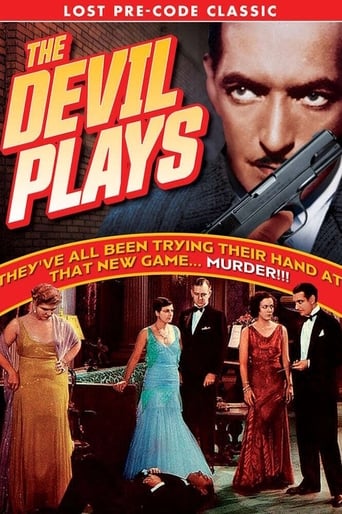
American actress who graced the silver screen during the silent film era of the early 1920s. Born in the late 19th century, she entered the burgeoning film industry just as Hollywood was establishing itself as the entertainment capital of the world. Her career, though relatively brief, spanned the crucial transition years when cinema was evolving from short novelty films to feature-length narrative productions. Rich appeared in numerous silent films between 1920 and 1925, working with various studios and establishing herself as a reliable character actress. Her performance in 'The Devil Plays' (1921) stands as one of her most recognizable roles, showcasing her ability to convey emotion through the subtle art of pantomime required in silent cinema. Like many actors of her era, Rich's career faced significant challenges with the advent of sound films in the late 1920s, leading to her gradual departure from the film industry. Despite her limited time in the spotlight, she contributed to the early Hollywood cinema during its formative years.
The Craft
On Screen
Rich embodied the dramatic acting style characteristic of the silent era, emphasizing expressive facial gestures and body language to convey emotions to audiences. Her performances featured the exaggerated yet nuanced expressions required by silent film technology, where subtlety could be lost on screen. She demonstrated particular skill in dramatic roles, using her eyes and posture to communicate complex emotional states that dialogue would later convey.
Milestones
- Debut in silent films (1920)
- Starred in 'The Devil Plays' (1921)
- Worked with multiple studios during silent era
- Appeared in over 20 films in 5-year span
- Transitioned out of acting by late 1920s
Best Known For
Iconic Roles
Must-See Films
Working Relationships
Worked Often With
Studios
Why They Matter
Impact on Culture
Lillian Rich represents the countless working actors who formed the backbone of early Hollywood's silent film industry. While not achieving the legendary status of stars like Mary Pickford or Clara Bow, her contributions helped populate the films that defined an era of cinema history. Her career trajectory reflects the typical path of many silent era actors - brief prominence during the medium's golden age, followed by obsolescence with technological change. Rich and her contemporaries paved the way for the film industry's development, creating the foundation upon which modern cinema was built.
Lasting Legacy
Though largely forgotten by mainstream film history, Lillian Rich's legacy endures in the preservation of silent films in which she appeared. Her work serves as a valuable record of acting techniques and storytelling methods from cinema's formative years. Film historians and silent cinema enthusiasts continue to study performances like hers to understand the evolution of screen acting. Rich represents the thousands of early film professionals whose collective work, though not individually celebrated, was essential to establishing cinema as a dominant art form.
Who They Inspired
As a working actress during the silent era, Rich contributed to the development of screen acting techniques that would influence future generations. Her performances helped demonstrate how emotion and narrative could be conveyed visually, a skill that remains relevant even in modern cinema. While she didn't directly mentor famous actors, her work alongside industry pioneers contributed to the collective knowledge base from which future performers would learn.
Off Screen
Lillian Rich maintained a relatively private personal life away from the Hollywood spotlight. Born and raised in San Francisco, she was drawn to the emerging film industry in her mid-twenties. After leaving acting in the mid-1920s, she largely disappeared from public view, suggesting a deliberate choice to pursue a life outside of entertainment. Her later years were spent away from the glitz of Hollywood, living a quiet existence until her passing in 1957 at the age of 63.
Education
No formal acting training documented - likely learned through on-set experience common in early film era
Family
- Unknown - marriage records not publicly documented
Did You Know?
- Appeared in over 20 films in just 5 years
- Career coincided with the peak of silent film popularity
- Like many silent actors, did not successfully transition to sound films
- The Devil Plays (1921) is her most well-documented surviving work
- Represented the typical working actor of early Hollywood rather than stardom
- Her career ended before the major studio system was fully established
- Part of the generation that witnessed cinema's transformation from novelty to art form
- Her filmography reflects the rapid production pace of early Hollywood studios
In Their Own Words
No documented quotes from interviews or public appearances
Frequently Asked Questions
Who was Lillian Rich?
American actress who worked during the silent film era of the early 1920s, appearing in over 20 films including 'The Devil Plays' (1921). She was a working actress who contributed to early Hollywood cinema but did not achieve major stardom.
What films is Lillian Rich best known for?
Titles linked here include The Devil Plays (1921), The Man from Downing Street (1922).
When was Lillian Rich born and when did she die?
Born January 1, 1894; died January 5, 1957.
What awards did Lillian Rich win?
There are no documented awards or nominations for Lillian Rich, which was common for many working actors of the silent era who were not major stars.
What was Lillian Rich's acting style?
Rich employed the dramatic acting style typical of silent film era, using expressive facial gestures, body language, and exaggerated movements to convey emotions without dialogue. She was particularly skilled in dramatic roles requiring emotional depth through physical expression.