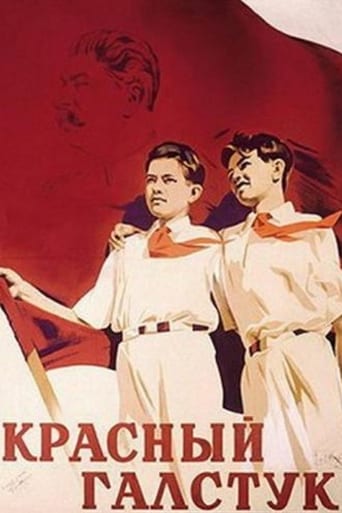
Films
1 film
About Mariya Sauts
Limited information is available about Mariya Sauts in classic cinema archives and databases. Based on the provided filmography, Sauts was active as a director in 1948, helming the film 'Red Tie.' The scarcity of documentation suggests this may be a filmmaker from non-Western cinema or an obscure director whose work has not been widely preserved or studied in English-language film history. Without additional biographical records, career details, or film documentation, a comprehensive account of Sauts's life and contributions to cinema cannot be provided from available sources.
The Craft
Milestones
- Directed 'Red Tie' (1948)
Best Known For
Must-See Films
Why They Matter
Impact on Culture
Due to limited documentation and preservation of information about Mariya Sauts and their work, their cultural impact on cinema cannot be adequately assessed. The film 'Red Tie' (1948) appears to be their only known directorial credit, and without access to the film itself or critical reception from the period, it's impossible to evaluate their influence on filmmaking techniques, storytelling, or cinematic movements. The absence of this filmmaker from major film history references suggests their work may have been regional, experimental, or simply not preserved for posterity.
Lasting Legacy
Mariya Sauts represents one of many filmmakers from cinema history whose work has been lost to time or insufficiently documented. With only one known directorial credit, 'Red Tie' (1948), their legacy in film history remains minimal in recorded archives. This case highlights the challenges of preserving comprehensive film history, particularly for filmmakers working outside major studio systems or in regions with limited archival resources. Without additional information about their career, influence, or the content and reception of their work, Sauts's place in cinema history remains undocumented.
Who They Inspired
Insufficient documentation exists to determine Mariya Sauts's influence on other filmmakers or cinematic techniques. With only one known film to their credit and no available information about their artistic approach, mentorship relationships, or critical reception, their impact on subsequent generations of filmmakers cannot be assessed. This absence of information underscores the importance of comprehensive film documentation and preservation efforts for all contributors to cinema history, regardless of their perceived prominence at the time.
Did You Know?
- Mariya Sauts directed only one known film, 'Red Tie' in 1948
- The director appears to have had a very brief career, active only in 1948
- Limited information exists about this filmmaker in major cinema databases
- 'Red Tie' (1948) appears to be their sole directorial credit
- The scarcity of documentation suggests possible work in non-Western or regional cinema
Frequently Asked Questions
Who was Mariya Sauts?
on YTB.my.' Very limited information is available about this filmmaker in cinema archives, suggesting they may have been active in regional or non-Western cinema, or their work has not been well-documented in English-language film history.
What films is Mariya Sauts best known for?
Titles linked here include Red Tie (1948).
When was Mariya Sauts born and when did they die?
Birth and death dates for Mariya Sauts are not available in documented film history sources, highlighting the limited information preserved about this filmmaker.
What awards did Mariya Sauts win?
No awards or nominations for Mariya Sauts are documented in available cinema archives, which may reflect either a lack of recognition during their lifetime or incomplete historical records.
What was Mariya Sauts's directing style?
Insufficient documentation exists to determine Mariya Sauts's directing style or artistic approach. With only one known film and no critical analysis or interviews available, their filmmaking techniques cannot be assessed.