Vladimir Kandelaki
Actor
Born: March 19, 1908 in Tiflis, Russian Empire (now Tbilisi, Georgia) Died: November 18, 1978 Active: 1930s-1970s
Films
2 films
About Vladimir Kandelaki
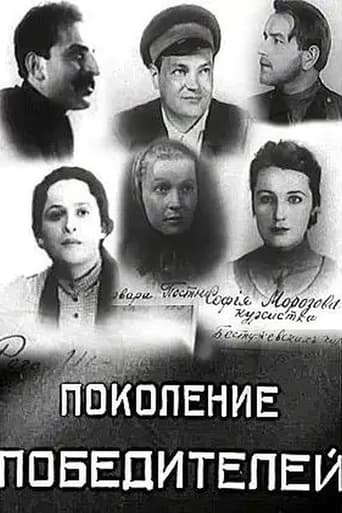
Made significant contributions to both cinema and theater during the Soviet era. Born in Tiflis (now Tbilisi) in 1908, he developed his artistic talents during a transformative period in Georgian cultural history. Kandelaki became prominently associated with the Tbilisi State Academic Theatre of Opera and Ballet, where his powerful baritone voice and commanding stage presence earned him widespread recognition. His film career, while not as extensive as his theatrical work, included notable performances in Soviet cinema, particularly in the 1936 film 'Generation of Victors,' which represented one of his early cinematic contributions Soviet film history. Throughout his career spanning four decades, Kandelaki balanced his work between classical theater performances, musical productions, and selective film roles, establishing himself as a respected figure in Soviet performing arts. His dedication to preserving and developing Georgian cultural traditions within the Soviet framework made him an influential figure in the arts community. He was ultimately recognized with the prestigious title of People's Artist of the Georgian SSR, the highest honor bestowed upon artists in Soviet republics, cementing his legacy as one of Georgia's most performers of the 20th century.
The Craft
On Screen
Kandelaki was known for his powerful stage presence and dramatic intensity, particularly excelling in musical theater where his rich baritone voice became his signature feature. His acting style combined classical theatrical techniques with deep emotional resonance, making him particularly effective in dramatic roles that required both vocal prowess and acting skill. In his film work, he brought a theatrical gravitas that was characteristic of many Soviet actors transitioning from stage to screen during this period, delivering performances with measured intensity and authentic emotional depth. His approach emphasized the integration of music and drama, reflecting the strong tradition of musical theater in Georgian culture.
Milestones
- Performance in 'Generation of Victors' (1936)
- Long-standing association with Tbilisi State Academic Theatre of Opera and Ballet
- Awarded title of People's Artist of the Georgian SSR
- Recognition as a prominent baritone singer in Soviet opera
- Contributions to Georgian theatrical traditions during Soviet era
Best Known For
Iconic Roles
Must-See Films
Accolades
Won
- People's Artist of the Georgian SSR
- Order of the Red Banner of Labour
- Honored Artist of the Georgian SSR
Nominated
- Information not readily available from historical records
Special Recognition
- People's Artist of the Georgian SSR (highest artistic honor in Soviet republics)
- Honored Artist of the Georgian SSR (preceding honor)
Working Relationships
Worked Often With
Studios
Why They Matter
Impact on Culture
Vladimir Kandelaki made significant contributions to the development of Georgian theatrical and cinematic traditions during the Soviet era, playing a crucial role in preserving and advancing Georgian cultural identity within the Soviet framework. His work in both opera and film represented an important synthesis of traditional Georgian artistic forms with Soviet cultural policies and aesthetic principles. As a prominent performer during a period when Soviet authorities sought to create a unified socialist culture while allowing for national expressions, Kandelaki helped demonstrate how Georgian artistic traditions could thrive within the Soviet system. His performances contributed to the elevation of Georgian arts on the national Soviet stage, helping to establish Georgia as a significant cultural center within the broader Soviet artistic landscape.
Lasting Legacy
Vladimir Kandelaki is remembered as one of Georgia's most performers of the Soviet era, particularly noted for his exceptional contributions to opera and musical theater. His artistic achievements helped establish a tradition of excellence in Georgian performing arts that continued to influence generations of artists beyond the Soviet period. While his filmography was relatively limited compared to his extensive stage work, his theatrical performances and artistic accomplishments earned him lasting recognition in Georgian cultural history. The title of People's Artist of the Georgian SSR that he received represents the enduring respect and admiration he garnered throughout his career. His legacy lives on through the traditions he helped establish at the Tbilisi State Academic Theatre of Opera and Ballet and through the influence he had on subsequent generations of Georgian performers who sought to balance cultural preservation with artistic innovation.
Who They Inspired
Kandelaki influenced subsequent generations of Georgian performers by demonstrating how traditional artistic forms could be successfully maintained and developed within the Soviet cultural system. His success in both classical and contemporary productions provided a valuable model for artists seeking to navigate the complex relationship between national cultural identity and Soviet artistic requirements. His integration of musical and theatrical excellence inspired younger performers to pursue comprehensive artistic development rather than specialization in a single discipline. The respect he earned through his dedication to artistic quality and cultural preservation helped establish standards that continued to influence Georgian performing arts long after his death.
Off Screen
Limited publicly available information exists about Vladimir Kandelaki's personal life, as was common for many Soviet-era artists whose private details were not extensively documented. His public life was dominated by his dedication to the performing arts and his contributions to Georgian cultural institutions. He remained active in the arts community throughout his life, maintaining his association with the Tbilisi theater until his death in 1978 at the age of 70.
Education
Likely attended theatrical and musical training institutions in Soviet Georgia, though specific educational details are not extensively documented in available sources
Family
- Information not readily available from historical records
Did You Know?
- He was a talented baritone singer in addition to his acting work, with his voice becoming his most distinctive artistic feature
- He was awarded the title People's Artist of the Georgian SSR, the highest artistic honor that could be bestowed upon performers in Soviet republics
- Despite his appearance in films, he maintained a career primarily focused on theater rather than cinema
- His professional active years covered the entire Soviet period from the 1930s through the 1970s, making him a witness to major transformations in Soviet arts policy
- He was part of the generation that helped establish professional theater traditions in Soviet Georgia during its formative years
- His work helped bridge traditional Georgian cultural forms with Soviet artistic requirements
- He remained active in performing arts well into his later years, maintaining his association with the Tbilisi theater until his death
- The film 'Generation of Victors' (1936) was one of the early Soviet films that celebrated the achievements of the first generation raised under Soviet rule
In Their Own Words
Information not readily available from historical records
Frequently Asked Questions
Who was Vladimir Kandelaki?
Soviet Georgian with credits in this catalog. He was particularly known for his work with the Tbilisi State Academic Theatre of Opera and Ballet and his performance in the 1936 film 'Generation of Victors.' He was honored with the title of People's Artist of the Georgian SSR, the highest artistic recognition in Soviet republics.
What films is Vladimir Kandelaki best known for?
Titles linked here include Generation of Victors (1936).
When was Vladimir Kandelaki born and when did he die?
Born March 19, 1908; died November 18, 1978.
What awards did Vladimir Kandelaki win?
Vladimir Kandelaki received several prestigious honors during his career, most notably the title of People's Artist of the Georgian SSR, which was the highest artistic honor that could be bestowed upon performers in Soviet republics. He also received the title of Honored Artist of the Georgian SSR and was awarded the Order of the Red Banner of Labour in recognition of his contributions to Soviet arts and culture.
What was Vladimir Kandelaki's acting and singing style?
Kandelaki was known for his powerful stage presence and dramatic intensity, with his rich baritone voice being his most distinctive feature. His style combined classical theatrical techniques with deep emotional resonance, making him particularly effective in dramatic roles that required both vocal prowess and acting skill. He emphasized the integration of music and drama, reflecting the strong tradition of musical theater in Georgian culture.
What was Vladimir Kandelaki's cultural impact?
Kandelaki made significant contributions to preserving and advancing Georgian cultural traditions within the Soviet framework. His work helped demonstrate how Georgian artistic forms could thrive within the Soviet system, contributing to the elevation of Georgian arts on the national stage. He played a crucial role in establishing Georgia as an important cultural center within the broader Soviet artistic landscape.
Where did Vladimir Kandelaki primarily work?
Vladimir Kandelaki was primarily associated with the Tbilisi State Academic Theatre of Opera and Ballet, where he maintained a long-standing relationship throughout his career. While he appeared in Soviet films, his main artistic focus was on theatrical and operatic performances. His dedication to the Tbilisi theater helped establish it as one of the premier cultural institutions in the Soviet Union.