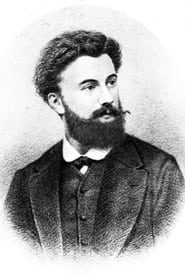
Émile Reynaud
Director
Born: December 8, 1844 in Montreuil, France Died: January 9, 1918 Active: 1877-1900 Birth Name: Charles-Émile Reynaud
Films
2 films
About Émile Reynaud
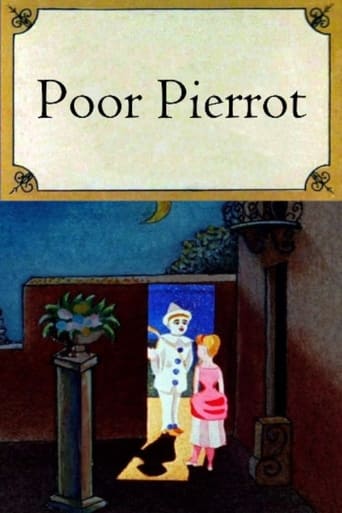
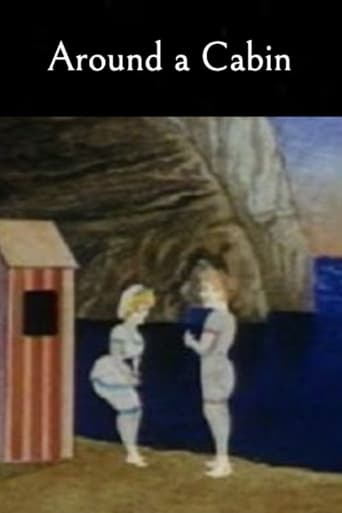
French inventor, artist, and pioneer of animation who revolutionized visual entertainment before the dawn of cinema. Born in Montreuil, France, he developed an early fascination with optical toys and moving images, creating the praxinoscope in 1877, which improved upon the zoetrope with clearer images. His most significant achievement was the Théâtre Optique, a sophisticated projection system he patented in 1888 that allowed for the projection of longer animated sequences with synchronized sound. From 1892 to 1900, Reynaud presented his 'Pantomimes Lumineuses' at the Musée Grévin in Paris, captivating audiences with hand-drawn animated films including 'Poor Pierrot,' 'Around a Cabin,' and 'Clown and His Dogs.' These works, consisting of hundreds to thousands of individually drawn images, represent some of the earliest examples of animated cinema and predate the Lumière brothers' first public film screening by several years. Despite his innovations, Reynaud struggled financially as cinema evolved and eventually destroyed most of his work in a fit of despair. He died in obscurity in 1918, though his contributions to animation and visual storytelling are now recognized as foundational to the art form.
The Craft
Behind the Camera
Reynaud's directing style was characterized by meticulous hand-drawn animation techniques, with each frame individually painted on gelatin strips. His approach emphasized fluid movement and expressive character animation, utilizing loops and cycles to create continuous motion. He incorporated live musical accompaniment and sound effects, making his films among the first to synchronize audio with projected animation.
Milestones
- Invention of the praxinoscope (1877)
- Patenting of the Théâtre Optique projection system (1888)
- First public screening of animated films at Musée Grévin (1892)
- Creation of 'Pantomimes Lumineuses' series (1892-1900)
- Production of the first animated films with synchronized sound
Best Known For
Must-See Films
Accolades
Special Recognition
- Posthumously recognized as the 'Father of Animation'
- The Annecy International Animation Film Festival created the 'Émile Reynaud Award' in his honor
- Inducted into the Animation Hall of Fame
- Musée des Arts et Métiers in Paris features his inventions in permanent exhibition
Working Relationships
Worked Often With
Studios
Why They Matter
Impact on Culture
Émile Reynaud's cultural impact extends far beyond his brief period of public recognition. His Théâtre Optique presentations at the Musée Grévin represented the first time audiences could experience projected animated entertainment, predating traditional cinema by several years. His work demonstrated the artistic and commercial potential of animation, establishing techniques like character animation, storyboarding, and synchronized sound that would become fundamental to the medium. Reynaud's influence can be traced through the entire history of animation, from early Disney cartoons to modern digital animation, as he essentially created the template for animated storytelling.
Lasting Legacy
Reynaud's legacy as the pioneer of animation has been increasingly recognized by film historians and animation scholars. Though he destroyed most of his work, surviving fragments and documentation reveal his extraordinary technical and artistic innovations. The praxinoscope and Théâtre Optique are now displayed in major museums worldwide, and animation historians consider him the true father of animated film. His story serves as both an inspiration for his visionary creativity and a cautionary tale about the fate of pioneers who are ahead of their time.
Who They Inspired
Reynaud directly influenced early filmmakers including Georges Méliès, who adopted similar projection techniques, and Émile Cohl, who is often called the 'father of the animated cartoon.' His methods of creating fluid motion through sequential drawings laid the groundwork for all subsequent animation techniques. The concept of synchronizing music and sound effects with animated action, which he pioneered, became standard practice in animation throughout the 20th century and continues today.
Off Screen
Émile Reynaud came from a family of engineers and inventors, with his father being a medal engraver and clockmaker. He married Marguerite Régnier in 1879, and they had two sons, Paul and Pierre. Tragically, his wife died young in 1896, leaving him to raise their children alone. His later years were marked by financial hardship and depression, particularly as the rise of cinema made his Théâtre Optique obsolete. In 1917, in a state of despair, he threw most of his films and equipment into the Seine, destroying irreplaceable works of early animation. He died penniless in a hospice in Gentilly, France, at the age of 73.
Education
Self-taught in mechanics and optics, though he had formal training as an engineer. He studied at the École des Arts et Métiers and later worked as an apprentice in various mechanical workshops.
Family
- Marguerite Régnier (1879-1896)
Did You Know?
- Reynaud's praxinoscope used mirrors instead of slits, creating much clearer images than the zoetrope
- His films were hand-painted on long strips of gelatin, with 'Poor Pierrot' consisting of 500 individual frames
- Each screening of his 'Pantomimes Lumineuses' lasted approximately 12-15 minutes
- He charged admission of 1 franc for his shows at the Musée Grévin, making them quite profitable initially
- Reynaud was the first to use perforated film strips, predating Edison and the Lumière brothers
- His Théâtre Optique could project images up to 6 meters wide
- Only two of Reynaud's films survive today due to his destruction of his own work
- He performed all the voice effects and sound effects live during his screenings
- Reynaud's grandfather was a famous medalist who worked for Napoleon III
- The Musée Grévin hosted over 500,000 viewers of Reynaud's shows during their eight-year run
In Their Own Words
I have sought to create not merely moving pictures, but living dreams that dance before the eyes of the audience.
The magic of animation lies not in the movement itself, but in the illusion of life we breathe into each drawing.
When I see my characters come to life on the screen, I feel as though I have given birth to a new form of art.
Frequently Asked Questions
Who was Émile Reynaud?
French inventor and artist who created the praxinoscope and Théâtre Optique, making him one of the earliest pioneers of animation. He produced the first projected animated films in the 1890s, predating the Lumière brothers' cinema screenings.
What films is Émile Reynaud best known for?
Titles linked here include Poor Pierrot (Pauvre Pierrot) (1892), Around a Cabin (Autour d'une cabane) (1894).
When was Émile Reynaud born and when did he die?
Born December 8, 1844; died January 9, 1918.
What awards did Émile Reynaud win?
During his lifetime, Reynaud received little formal recognition, but he has been posthumously honored with the creation of the Émile Reynaud Award at the Annecy Animation Festival and is now celebrated as the 'Father of Animation' in film history.
What was Émile Reynaud's directing style?
Reynaud's directing style involved meticulous hand-drawn animation with each frame individually painted. He emphasized fluid character movement, expressive storytelling, and synchronized sound effects, creating immersive animated experiences that combined visual artistry with live musical accompaniment.
What inventions did Émile Reynaud create?
Reynaud invented the praxinoscope in 1877, an improvement on the zoetrope using mirrors for clearer images. His most significant invention was the Théâtre Optique (1888), a sophisticated projection system that could show animated films with synchronized sound.
Why did Émile Reynaud destroy his work?
In 1917, depressed and impoverished after his Théâtre Optique became obsolete with the rise of cinema, Reynaud threw most of his films and equipment into the Seine River, destroying irreplaceable examples of early animation history.