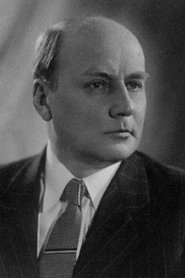
Vladimir Suteev
Director
Born: July 5, 1903 in Moscow, Russian Empire (now Russia) Died: 1969 Active: 1920s-1969 Birth Name: Vladimir Grigorievich Suteev
Films
3 films
About Vladimir Suteev
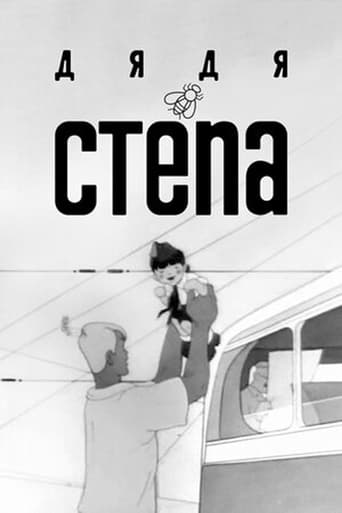
Vladimir Grigorievich Suteev — Soviet animator, film director, and celebrated children's book illustrator active from the 1920s until his death in 1969. Born in Moscow in 1903, Suteev emerged as a key figure in the early Soviet animation industry, working alongside animators to establish the foundations of Russian animated cinema. He gained international recognition for his distinctive directorial work on children's films, particularly 'Uncle Stepa' (1939), which became beloved Soviet animated features of its era. Throughout the 1930s and 1940s, he directed several animated shorts that showcased his unique visual storytelling abilities and his deep understanding of children's psychology. While his film career was significant, Suteev's greatest impact came through his prolific work as a children's book illustrator, where he collaborated with renowned Soviet authors like Korney Chukovsky and Samuil Marshak. His artistic style, characterized by whimsical characters, vibrant colors, and gentle humor, made him beloved children's artists in the Soviet Union. Suteev continued working in both animation and illustration until his death in Moscow in 1969, leaving behind a rich legacy that Russian children's culture.
The Craft
Behind the Camera
Suteev's directing style was characterized by gentle humor, whimsical storytelling, and a deep understanding of children's perspectives. His animated films featured simple but expressive character designs, bright colors, and narratives that emphasized kindness, friendship, and moral lessons without being preachy. He had a unique ability to capture the innocence and wonder of childhood, creating stories that appealed to both children and adults.
Milestones
- Early work with Soviet animation pioneers in the 1920s
- Directed 'Uncle Stepa' (1939), one of his most famous animated works
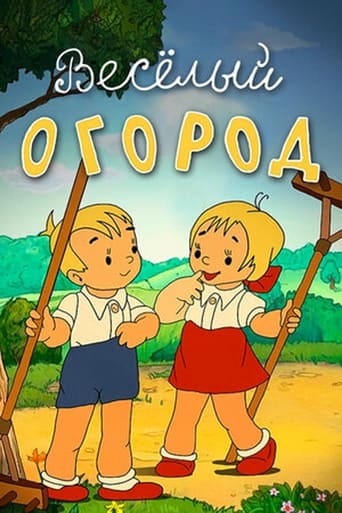
- Created 'A Lively Market Garden' (1947), another significant animated film
- Became one of the Soviet Union's most prominent children's book illustrators
- Collaborated with major Soviet children's authors including Korney Chukovsky
- Developed a distinctive artistic style that influenced generations of children's artists
Best Known For
Must-See Films
Accolades
Special Recognition
- Honored Artist of the RSFSR (Russian Soviet Federative Socialist Republic)
Working Relationships
Worked Often With
Studios
Why They Matter
Impact on Culture
Vladimir Suteev had a profound impact on Soviet and Russian children's culture, becoming. His illustrations helped define the visual aesthetic of Soviet children's literature, creating iconic images that remain embedded in the cultural memory of millions who grew up with his books. His animated films, particularly 'Uncle Stepa,' became classics that were regularly shown to Soviet children for decades. Suteev's work represented the ideal of Soviet children's art - wholesome, educational, yet entertaining and artistically sophisticated. His ability to combine artistic merit with child-friendly accessibility made his work a model for subsequent generations of children's artists in the Soviet Union.
Lasting Legacy
Vladimir Suteev's legacy endures through the countless children's books he illustrated and the animated films he directed. His artistic style continues to influence contemporary Russian children's book illustration, with many modern artists citing him as a major inspiration. The characters and scenes he created have become part of the Russian cultural heritage, with his books remaining in print decades after his death. Suteev demonstrated that children's art could be both commercially successful and artistically significant, paving the way for future generations of children's artists. His work represents a golden age of Soviet children's culture, characterized by warmth, creativity, and a genuine love for childhood.
Who They Inspired
Suteev influenced generations of Soviet and Russian animators and illustrators through his distinctive artistic style and approach to children's storytelling. His emphasis on gentle humor, moral clarity without didacticism, and visual appeal created a template for successful children's media that many subsequent artists have followed. His collaboration with major children's authors helped establish the visual language of Soviet children's literature, influencing how stories were presented visually. Contemporary Russian children's book artists often reference Suteev's work when discussing their influences, and his animation techniques continue to be studied by students of Russian animation history.
Off Screen
Vladimir Suteev lived his entire life in Moscow, dedicating himself to his artistic pursuits. He was known as a quiet, gentle man who was deeply passionate about creating art for children. His personal life was relatively private, with most of his focus and energy devoted to his work in animation and illustration. Colleagues described him as humble and dedicated, always willing to mentor younger artists and share his expertise in children's art.
Education
Educated in Moscow during the early Soviet period, though specific details about his formal artistic training are not well documented. He likely studied at Moscow art institutions during the 1920s when the Soviet art education system was being established.
Did You Know?
- Though primarily known as a director, Suteev was actually more famous in the Soviet Union as a children's book illustrator
- His illustrations for Korney Chukovsky's books became iconic images in Soviet children's culture
- Suteev worked during the early formative years of Soviet animation, helping establish its distinctive style
- His film 'Uncle Stepa' was based on a popular Soviet children's poem about a kind policeman
- Despite his success, Suteev remained humble and dedicated to creating art for children throughout his career
- His artistic style was characterized by simple lines, bright colors, and expressive characters
- Many of his illustrated books have remained continuously in print in Russia since their original publication
- Suteev was part of the first generation of Soviet animators who helped establish the industry
- His work represents some of the finest examples of Soviet children's art from the mid-20th century
- He often collaborated with the most prominent Soviet children's authors of his time
Frequently Asked Questions
Who was Vladimir Suteev?
Soviet animation He was best known for directing animated films like 'Uncle Stepa' (1939) and for his iconic illustrations of Soviet children's books, particularly his collaborations with authors like Korney Chukovsky.
What films is Vladimir Suteev best known for?
Titles linked here include Uncle Stepa (1939), A Lively Market Garden (1947).
When was Vladimir Suteev born and when did he die?
Born July 5, 1903; died 1969.
What awards did Vladimir Suteev win?
While specific awards are not extensively documented, Suteev was recognized as an Honored Artist of the RSFSR (Russian Soviet Federative Socialist Republic), which was a significant honor in the Soviet cultural system. His greatest recognition came from the enduring popularity of his work among generations of Soviet children.
What was Vladimir Suteev's directing style?
Suteev's directing style was characterized by gentle humor, whimsical storytelling, and a deep understanding of children's perspectives. His animated films featured simple but expressive character designs, bright colors, and narratives that emphasized kindness and moral lessons without being preachy, creating stories that appealed to both children and adults.