Fay McKenzie
Actor
- Born
- August 19, 1910, Hollywood, California, USA
- Died
- May 16, 2019
- Active
- 1918-1986
- Birth name
- Frances Fay McKenzie
Films 1
About Fay McKenzie
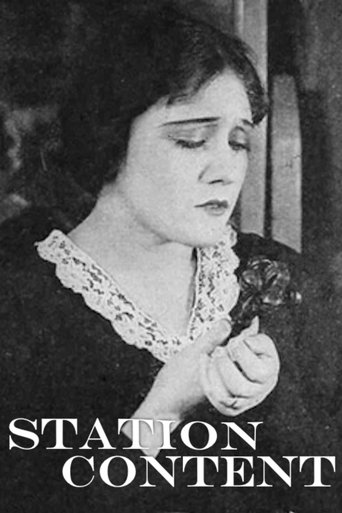
Fay McKenzie was an American actress whose career began in silent films and continued into the sound era, making her one of the distinctive child-to-adult performers associated with early Hollywood. She was born into a show-business family, which helped place her in films at a very young age, and she appeared in productions during the late silent period before transitioning to later work in features and serials. Although she never became a top-tier studio star, she remained a familiar and respected character performer, especially in Westerns and low-budget adventures, where her bright screen presence and natural ease suited the demands of fast-moving studio production. Her career is notable for its extraordinary longevity: she remained active for decades and became one of the rare performers whose screen life spanned from the silent era well into modern television appearances and nostalgic retrospectives. She is also remembered as the daughter of actor and director Robert McKenzie and as the wife of cowboy star Bob Steele, placing her at the center of a multigenerational Hollywood family. McKenzie's early work, including Station Content (1918), connects her to the formative years of American film history, while her later roles reflect the industrious world of B-westerns and serial entertainment that sustained Hollywood for many years. Her long career and familial ties make her a valuable figure in the history of classic American cinema.
More about Fay McKenzie
On screen
McKenzie's early silent-era performances relied on expressive, readable emotion and a natural child-performer spontaneity suited to the camera's demands. As she matured, her acting settled into a straightforward, practical style common to studio-era supporting players: clear line delivery, ease in ensemble scenes, and a warm, unaffected presence that worked especially well in Westerns and adventure films. She was not known for flamboyant star turns, but rather for dependable, personable performances that supported leads and helped establish a sense of everyday authenticity. Her screen technique reflected the shift from silent pantomime to sound-era naturalism, showing adaptability across very different production styles.
In film history
Fay McKenzie occupies a special place in film history as one of the performers whose life and career span nearly the full arc of American cinema from the silent era onward. While she was never a major box-office star, her value lies in continuity: she represents the countless skilled actors who gave texture and credibility to studio-era films, especially in Westerns and adventure pictures that were central to Hollywood's popular appeal. Because she began as a child actor in 1918, she provides an unusually direct human connection to early film production practices, silent performance styles, and the world of nickelodeon-era and post-nickelodeon cinema. Her longevity also made her a notable figure for historians interested in the survival of silent-era talent into the late twentieth century. In that sense, McKenzie is culturally important not only for the roles she played, but for the historical bridge she embodied between cinema's earliest decades and the era of film nostalgia and preservation.
Later reputation
McKenzie's legacy rests on her remarkable durability and on the historical value of her career as an example of a child actress who successfully remained connected to the screen world across many decades. She is remembered as part of the connective tissue of Hollywood history, linking the silent screen to the Golden Age and beyond through a body of work that includes early features, Westerns, and supporting roles. For classic-film scholars, her career helps illuminate how studio-era actors often moved across genres and production levels without becoming marquee stars, yet still contributed significantly to the look and feel of American cinema. Her marriage to Bob Steele further anchors her in the mythology of the movie cowboy era, and her own longevity helped preserve memory of that world. Today, she is chiefly valued by film historians, archivists, and enthusiasts of silent and Western cinema who seek to document the breadth of early Hollywood talent.
Influence
McKenzie's influence was not primarily as a star-maker or trendsetter, but as a representative of professional screen acting across generations. Her career demonstrates the adaptability required of performers who started in silent films and continued in sound productions, especially in supporting roles where reliability and screen presence mattered greatly. By persisting in the industry for so long, she provided a model of longevity and resilience that later historians use to understand the continuity of Hollywood labor across eras. Her work also helps preserve the memory of early child performers who transitioned into adult careers without the intense publicity of major stars.
Off screen
Fay McKenzie was born into an entertainment family; her father was actor-director Robert McKenzie, and her upbringing was closely tied to the film industry from the start. She married Western film star Bob Steele, with whom she was associated in Hollywood's long-running cowboy-film culture, and the marriage connected two well-known names in genre cinema. McKenzie's family life and career were interwoven with the professional world of Hollywood, and she is frequently remembered as part of a multi-generation screen lineage. Her exceptionally long life allowed later historians and fans to regard her not only as a working actress but also as a living link to the silent-era film community.
Education
Formal educational details are not widely documented; she entered the film industry as a child and appears to have received much of her early training through practical studio experience rather than conventional academic pathways.
Credits
- Made her screen debut as a child in the silent film era, including Station Content (1918)
- Built a long career in Westerns, serials, and supporting roles during the 1930s and 1940s
- Appeared in a wide range of studio features and low-budget productions that kept her visible across multiple eras of Hollywood
- Maintained a screen presence over an exceptionally long span, bridging silent cinema, the sound era, and later nostalgia programming
- Became part of a noted Hollywood family through her marriage to Western star Bob Steele
- Lived to become one of the last surviving performers with roots in the silent-era Hollywood generation
Roles
- Child roles in early silent-era productions
- Western heroine and supporting female lead in B-westerns
- Reliable ingénue and companion roles in action and adventure programming
Films
- Station Content (1918)
- The Adventurous Blonde (1937)
- The Fighting Cowboy (1935)
- The Cherokee Strip (1927)
- The Arizona Kid (1939)
Honors
- Recognized by classic-film historians as a rare bridge between silent-era child acting and late-century Hollywood memory
- Celebrated through retrospectives and historical references to the longevity of her career
Collaborators
- Bob Steele
- Supporting players and directors associated with B-westerns and serials
- Film families and production teams working in low-budget genre cinema
Studios
- Pathé
- Monogram Pictures
- Republic Pictures
- Independent Western productions
Family
- Bob Steele (1943-1960)
Notes
- She entered films as a child and appeared in silent cinema before the age of ten.
- Her film career began with Station Content (1918), making her an early silent-era screen presence.
- She was the daughter of actor-director Robert McKenzie, which gave her an early connection to Hollywood production circles.
- She married Bob Steele, a major Western star, linking her to one of the best-known cowboy-film actors of the sound era.
- Her career crossed multiple eras of film history, from silent movies to later television-era appearances and reminiscences.
- She is remembered as one of the long-lived performers who served as a living link to the silent era.
- Much of her later career was concentrated in Westerns and other genre pictures, a common path for dependable studio supporting actors.
- Because she was active so long, she became a useful reference point for historians studying continuity between early and later Hollywood.
Questions
Who was Fay McKenzie?
Fay McKenzie was an American actress who began performing in silent films as a child and later worked in Westerns, serials, and supporting roles across many decades of Hollywood. She is especially notable for the extraordinary length of her career and for being part of a film family.
What films is Fay McKenzie best known for?
She is known for Station Content (1918), her early silent-film work, and for later appearances in genre films such as The Fighting Cowboy, The Cherokee Strip, The Adventurous Blonde, and The Arizona Kid. Her filmography is especially associated with Westerns and other low-budget studio productions.
When was Fay McKenzie born and when did she die?
She was born on August 19, 1910, in Hollywood, California, USA. She died on May 16, 2019, at an exceptionally advanced age, making her one of the long-lived surviving links to the silent-film generation.
What awards did Fay McKenzie win?
No major competitive awards or Oscar nominations are widely documented for Fay McKenzie. Her recognition comes primarily from film historians and classic-cinema audiences who value her long career and historical significance.
What was Fay McKenzie's acting style?
Her early silent work depended on expressive, readable emotion typical of child performers in silent cinema. In sound-era roles, she developed a simple, natural, and dependable style that fit ensemble scenes, especially in Westerns and adventure films.
What was Fay McKenzie's legacy in film history?
Her legacy lies in the continuity she represents: a performer who began in silent cinema and remained associated with Hollywood for decades. She is remembered as a durable supporting actress, a member of a notable film family, and a historical bridge between the earliest and later eras of American screen entertainment.