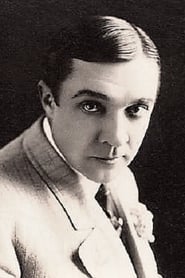
Harry Northrup
Actor
Born: May 11, 1874 in Paris, France Died: March 22, 1936 Active: 1915-1927 Birth Name: Henri L. Northrup
Films
2 films
About Harry Northrup
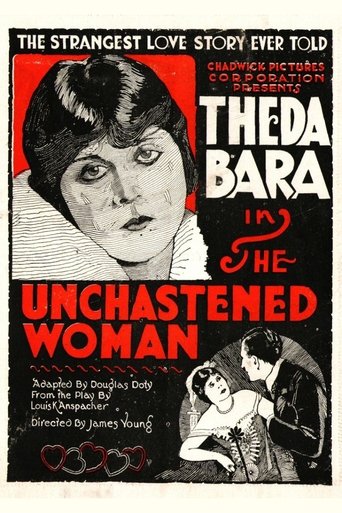
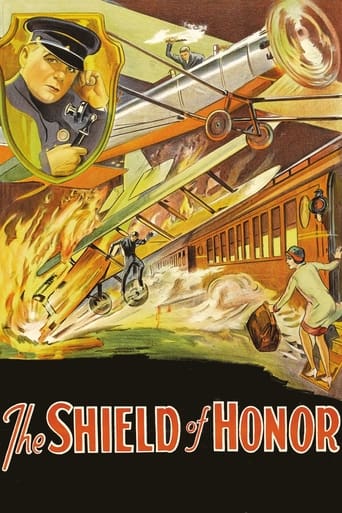
Harry Northrup appeared in numerous productions throughout the 1920s. Though his filmography was relatively brief, spanning primarily from 1925 to 1927, he managed to work with several notable directors and production companies of the time. Northrup specialized in supporting roles, often portraying authority figures, gentlemen, or villains in melodramas and adventure films. His appearances in 'The Unchastened Woman' (1925) and 'The Shield of Honor' (1927) represent some of his most documented work, though he appeared in several other silent productions that have since been lost to time. Like many character actors of his era, Northrup transitioned from stage work to the burgeoning film industry, bringing theatrical techniques to the silent medium. His career coincided with the final years of silent cinema before the industry's dramatic shift to sound pictures in the late 1920s.
The Craft
On Screen
Northrup employed a theatrical acting style typical of the silent era, using exaggerated gestures and facial expressions to convey emotion. His performances were characterized by a dignified presence and the ability to quickly establish character through physicality and expression, essential skills for silent film actors who needed to communicate without dialogue.
Milestones
- Appeared in over 30 silent films during the 1920s
- Worked with director James Young on multiple productions
- Transitioned from stage to film during the silent era
- Portrayed diverse character types in melodramas and adventure films
Best Known For
Iconic Roles
Must-See Films
Working Relationships
Worked Often With
Studios
Why They Matter
Impact on Culture
Harry Northrup represents the typical journeyman actor of the silent era, contributing to the foundation of character acting in American cinema. Though not a star, his work in numerous productions helped establish the importance of supporting roles in creating fully realized film worlds. As a French-born actor who succeeded in Hollywood, he was part of the international melting pot that defined early American cinema.
Lasting Legacy
Northrup's legacy lies in his contribution to the silent film era's character actors. While many of his films have been lost, his documented work in productions like 'The Unchastened Woman' shows the craftsmanship of supporting actors who brought depth and authenticity to early cinema. His career exemplifies the transient nature of fame for many silent era performers.
Who They Inspired
As a character actor, Northrup influenced the development of supporting roles in cinema, demonstrating how even brief appearances could enhance the overall narrative. His work helped establish patterns for character actors that would continue throughout Hollywood's Golden Age, showing the importance of reliable, versatile performers in building successful productions.
Off Screen
Harry Northrup was born in Paris, France, and immigrated to the United States where he established his acting career. He was part of the wave of European talent that helped shape early Hollywood cinema. Details about his personal life remain scarce, which was common for character actors of his era who often lived private lives away from the spotlight.
Did You Know?
- Born in Paris but became a prominent character actor in American silent films
- His real name was Henri L. Northrup, which he Americanized for his film career
- Appeared in over 30 films during his brief but productive career
- Many of his films are now considered lost, a common fate for silent era productions
- Worked during the transitional period when cinema was evolving from short films to feature-length productions
- Was part of the large community of European actors who found success in early Hollywood
- His career ended just as sound films were beginning to dominate the industry
- Like many character actors, he often played multiple roles within the same production
- His filmography includes both dramatic and adventure genres, showcasing his versatility
- Died relatively young at age 61, before the full impact of his contributions could be documented
Frequently Asked Questions
Who was Harry Northrup?
French-American character with credits in this catalog. He specialized in supporting roles and was known for his dignified presence in melodramas and adventure films.
What films is Harry Northrup best known for?
Titles linked here include The Unchastened Woman (1925), The Shield of Honor (1927).
When was Harry Northrup born and when did he die?
Born May 11, 1874; died March 22, 1936.
What awards did Harry Northrup win?
Harry Northrup did not receive any major awards or nominations during his career, which was common for character actors of the silent era who often worked without formal recognition despite their valuable contributions to films.
What was Harry Northrup's acting style?
Northrup employed a theatrical acting style typical of the silent era, using exaggerated gestures and facial expressions to convey emotion. He specialized in portraying authority figures and gentlemen characters with a dignified presence, using physicality to establish character quickly in silent films.