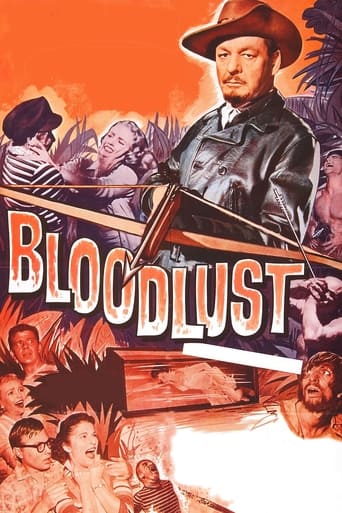
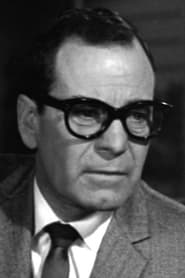
Walter Brooke
Actor
Born: October 14, 1914 in New York City, New York, USA Died: August 20, 1986 Active: 1950s-1980s Birth Name: William Zuckert
Films
1 film
About Walter Brooke
Walter Brooke, born William Zuckert, was an American character actor whose over three decades in film and television. After serving in the Army during World War II, he began his acting career in radio and theater before transitioning to television in the early 1950s. Brooke established himself as a reliable character actor, often portraying businessmen, politicians, doctors, and other authority figures with his distinctive voice and dignified demeanor. His most role came in 1967's 'The Graduate' where he played Mr. McGuire and delivered the famous one-word line 'Plastics,' which became quoted lines in cinema history. Throughout the 1970s, he appeared in numerous popular television series including 'The Rockford Files,' 'Kojak,' 'The Incredible Hulk,' and 'The Waltons.' He continued working steadily through the early 1980s, appearing in films like 'The Andromeda Strain' (1971) and 'Soylent Green' (1973). Brooke passed away in 1986 at the age of 71, leaving behind a legacy of memorable performances despite never achieving leading man status.
The Craft
On Screen
Walter Brooke was known for his naturalistic and understated acting style, perfectly suited to the realistic approaches that emerged in American cinema during the 1960s and 1970s. He had a distinctive voice and authoritative presence that made him ideal for playing professionals, businessmen, and government officials. His performances were characterized by subtlety and restraint, often conveying complex emotions through minimal gestures and facial expressions. Brooke had the ability to make even minor roles memorable through his precise delivery and screen presence.
Milestones
- Delivered the iconic 'Plastics' line in 'The Graduate' (1967)
- Appeared in over 200 film and television productions
- Served in the US Army during World War II
- Began career in radio and theater before transitioning to film/TV
- Regular character actor in popular TV series of the 1970s
Best Known For
Iconic Roles
Must-See Films
Working Relationships
Worked Often With
Studios
Why They Matter
Impact on Culture
Walter Brooke's most significant cultural impact came from his brief but memorable role in 'The Graduate.' The line 'Plastics' became. This single word has been referenced and parodied countless times in popular culture, from other films to television shows and advertisements. Brooke's delivery of the line – with its deadpan, matter-of-fact tone – perfectly captured the film's critique of conformity and materialism in 1960s America. The line has taken on a life of its own, becoming a cultural shorthand for insincere or obvious advice.
Lasting Legacy
Walter Brooke is remembered as a quintessential character actor who brought depth and authenticity to every role he undertook. While never a leading man, his contribution to American film and television was significant through sheer volume and quality of work. His legacy is tied primarily to that one word – 'Plastics' – which has become embedded in American cultural lexicon. Beyond this iconic moment, Brooke's body of work represents the important contributions of character actors to the entertainment industry, demonstrating how supporting performances can elevate films and television shows. His career shows the value of reliability, professionalism, and craft in acting.
Who They Inspired
As a character actor, Walter Brooke influenced the profession by demonstrating how even small roles could leave lasting impressions on audiences. His work in 'The Graduate' showed how a single scene and line could become iconic, influencing how filmmakers approached casting even minor roles. Brooke's naturalistic acting style was representative of the shift away from theatrical performances toward more realistic portrayals that characterized American film and television from the 1960s onward. His career longevity and versatility served as an example for aspiring character actors about the possibilities of sustaining a career through supporting roles.
Off Screen
Walter Brooke was known for being a private individual who kept his personal life out of the public eye. He married actress and model Barbara Bestar in 1953, and their marriage lasted until his death in 1986. The couple had one child together. Despite his extensive career in entertainment, Brooke maintained a relatively low profile and was rarely featured in celebrity media. He was respected by colleagues for his professionalism and dedication to his craft.
Education
Educational background not well documented, though he likely had formal training given his early career in theater and radio
Family
- Barbara Bestar (1953-1986)
Did You Know?
- His birth name was William Zuckert
- The famous 'Plastics' line in 'The Graduate' was reportedly improvised
- He appeared in over 200 film and television productions throughout his career
- He began his entertainment career in radio before transitioning to visual media
- He served in the US Army during World War II
- His final film appearance was in 'The Woman in Red' (1984)
- He often played authority figures due to his appearance and voice
- He was married for 33 years to actress Barbara Bestar until his death
- Despite his iconic line, he only appeared on screen for about 30 seconds in 'The Graduate'
- He was a founding member of the Actors Studio
In Their Own Words
Plastics.
from 'The Graduate', 1967)],
controversies
externalLinks
faq