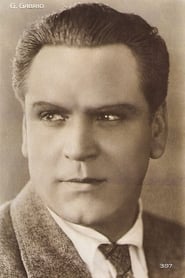
Gabriel Gabrio
Actor
Born: January 13, 1887 in Reims, France Died: October 31, 1946 Active: 1917-1946 Birth Name: Édouard Léon Gabriel Gabriot
Films
1 film
About Gabriel Gabrio
Gabriel Gabrio, born Édouard Léon Gabriel Gabriot, was a prominent French actor of the silent and early sound era who became recognizable faces in French cinema during the 1920s and 1930s. After serving in World War I, Gabrio began his career on the Paris stage before transitioning to film, where his imposing physique and distinctive features made him ideal for authoritative and villainous roles. He achieved international acclaim for his powerful performance as Jean Valjean in Raymond Bernard's monumental adaptation of 'Les Misérables' (1925), which showcased his remarkable ability to convey deep emotion through silent performance. Gabrio's collaboration with visionary director Abel Gance resulted in his memorable portrayal of Marshal Ney in the epic 'Napoléon' (1927), cementing his status as one of France's leading character actors. Unlike many silent stars whose careers ended with the advent of sound, Gabrio successfully transitioned to talkies, continuing to play commanding roles throughout the 1930s in films such as 'La Belle Équipe' (1936). His career was interrupted by World War II, during which he faced personal and professional challenges, but he returned to acting in the immediate post-war period before his death in 1946.
The Craft
On Screen
Gabrio was known for his powerful, physically imposing presence and intense, emotionally charged performances. In silent films, he mastered the art of conveying complex emotions through facial expressions and body language, particularly excelling in roles requiring both physical dominance and deep sensitivity. His acting style combined naturalistic intensity with theatrical gravitas, making him particularly effective in roles of authority, tragedy, and moral complexity.
Milestones
- Breakthrough role as Jean Valjean in Les Misérables (1925)
- Iconic performance as Marshal Ney in Napoléon (1927)
- Successful transition from silent films to sound cinema
- Leading character actor in French cinema of the 1920s-1940s
- Stage career before and during film career
Best Known For
Iconic Roles
Must-See Films
Accolades
Special Recognition
- Recognized as one of France's most character actors of the silent era
- Posthumously celebrated in French cinema retrospectives
Working Relationships
Worked Often With
Studios
Why They Matter
Impact on Culture
Gabriel Gabrio made a significant impact on French cinema by helping establish the archetype of the powerful character actor in silent film. His portrayal of Jean Valjean in 'Les Misérables' set a standard for literary adaptation in cinema, demonstrating how classic literature could be successfully translated to the screen with emotional depth and visual power. His work with Abel Gance in 'Napoléon' contributed to the development of epic cinema, showcasing how individual performances could elevate historical narratives. Gabrio's successful transition to sound films provided a model for other silent actors facing the technological revolution of the late 1920s. His resistance to collaboration during World War II also made him a symbol of artistic integrity in difficult political times.
Lasting Legacy
Gabriel Gabrio's legacy endures through his preserved film performances, which continue to be studied and admired by film historians and enthusiasts. His work represents a bridge between the theatrical traditions of the 19th century and the cinematic innovations of the 20th, demonstrating how classical acting techniques could be adapted for the new medium of film. Film retrospectives and cinema history books frequently cite his performances as exemplary of French silent cinema at its artistic peak. His influence can be seen in later French character actors who followed his model of combining physical presence with emotional depth. The restoration and preservation of his films, particularly 'Les Misérables' and 'Napoléon,' ensure that new generations can appreciate his contributions to cinema history.
Who They Inspired
Gabrio influenced subsequent generations of French actors through his demonstration of how to maintain artistic integrity while adapting to changing cinematic technologies. His approach to character development, particularly in literary adaptations, provided a template for actors facing similar challenges in later decades. Younger actors studied his technique of conveying complex emotions through subtle facial expressions and body language, skills that remained valuable even as cinema evolved. His resistance to political pressure during wartime also set an example for artists facing ethical dilemmas in their careers.
Off Screen
Gabriel Gabrio led a relatively private personal life, though his career was significantly impacted by the political turmoil of his time. He served in the French army during World War I, an experience that deeply influenced his worldview and later performances. During the German occupation of France in World War II, Gabrio faced professional difficulties due to his refusal to collaborate with the Vichy regime, demonstrating his moral convictions. He never married and had no children, dedicating his life primarily to his craft. His later years were marked by declining health, though he continued working until shortly before his death.
Education
Limited formal education; trained primarily through practical experience in theater and early film work
Did You Know?
- His stage name 'Gabrio' was derived from his real surname 'Gabriot'
- He was wounded in action during World War I before beginning his acting career
- His role as Jean Valjean required him to age significantly on screen, a challenging feat in silent cinema
- He was known for refusing roles that required collaboration with occupying forces during WWII
- Despite his imposing screen presence, contemporaries described him as gentle and reserved off-screen
- His performance in 'Napoléon' was filmed using revolutionary techniques developed by director Abel Gance
- He was one of the few silent film stars who successfully maintained his career in sound films
- His distinctive facial features made him a favorite subject for film photographers and poster artists
- He continued acting even while battling the illness that would eventually claim his life
- Film historians consider his work among the finest examples of French silent cinema acting
In Their Own Words
The camera is a merciless instrument—it reveals everything, especially what you try to hide.
In silent film, the eyes must do the talking of the entire body.
To play a great role is not just to act—it is to become another soul for a time.
Frequently Asked Questions
Who was Gabriel Gabrio?
French with credits in this catalog. Born Édouard Léon Gabriel Gabriot, he became famous for his roles as Jean Valjean in 'Les Misérables' (1925) and Marshal Ney in 'Napoléon' (1927). His imposing presence and emotional depth made him.
What films is Gabriel Gabrio best known for?
Titles linked here include Les Misérables (1925), Napoléon (1927).
When was Gabriel Gabrio born and when did he die?
Born January 13, 1887; died October 31, 1946.
What awards did Gabriel Gabrio win?
While formal acting awards were less common during Gabrio's active period, he received significant critical acclaim and recognition for his performances. His role in 'Les Misérables' was particularly praised by contemporary critics and film historians. Posthumously, he has been celebrated in French cinema retrospectives and is recognized as.
What was Gabriel Gabrio's acting style?
Gabrio's acting style combined powerful physical presence with deep emotional sensitivity, making him particularly effective in roles requiring both authority and vulnerability. In silent films, he mastered the art of conveying complex emotions through facial expressions and body language. His approach blended theatrical intensity with cinematic naturalism, allowing him to create memorable characters that resonated with audiences across different film genres.