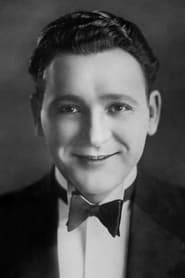
Richard Talmadge
Actor
Born: December 3, 1892 in Munich, Germany Died: August 25, 1954 Active: 1915-1945 Birth Name: Sylvester Alphonse Talmadge
Films
1 film
About Richard Talmadge
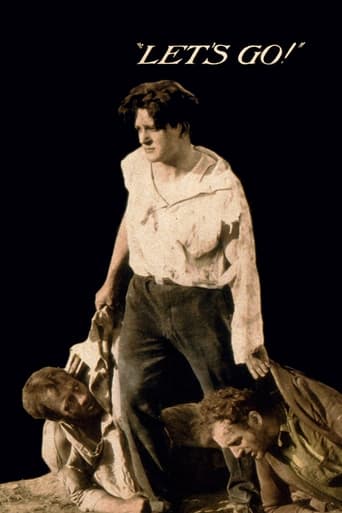
Richard Talmadge, born Sylvester Alphonse Talmadge, was a German-born American silent film actor, stuntman, and director who rose to prominence in the early 1920s. After immigrating to the United States, he leveraged his exceptional acrobatic abilities and athletic prowess to establish himself as one of Hollywood's premier stunt performers and action stars. His career peaked during the silent era, where he starred in numerous action-adventure films and serials, often performing death-defying stunts that became his trademark. Talmadge was particularly known for his work in films like 'Let's Go' (1923), where his physical abilities were prominently featured. As the transition to sound films began, he successfully pivoted to directing and stunt coordination, working behind the scenes on various productions. His nearly three decades in the film industry, during which he contributed significantly to the development of action cinema and stunt work in Hollywood. Despite his significant contributions to early cinema, Talmadge's legacy remains somewhat overlooked in modern film history.
The Craft
On Screen
Talmadge was known for his highly physical and athletic acting style, emphasizing acrobatic stunts, daredevil feats, and action sequences. His performances were characterized by minimal dialogue (typical of silent films) and maximum physical expression, often performing his own dangerous stunts including falls, fights, and chase sequences. He brought a circus-like energy to his roles, combining athleticism with a charismatic screen presence that made him popular with adventure film audiences.
Milestones
- Breakthrough role in 'The Great Adventure' (1921)
- Starred in the successful serial 'The Fighting Ranger' (1925)
- Transitioned to directing in the early 1930s
- Pioneered new stunt techniques in silent action films
- Worked as stunt coordinator on major Hollywood productions
Best Known For
Iconic Roles
Must-See Films
Accolades
Special Recognition
- Recognized by film historians as a pioneer of stunt work
- Featured in several retrospectives on silent film action stars
- Cited in academic works on early Hollywood stunt performers
Working Relationships
Worked Often With
Studios
Why They Matter
Impact on Culture
Richard Talmadge played a significant role in establishing the archetype of the action hero in early Hollywood cinema. His athletic performances helped define the visual language of action sequences in silent films, influencing how chase scenes, fights, and stunts would be filmed for decades to come. As one of the few performers who consistently performed his own dangerous stunts, he contributed to the development of safety protocols and techniques in stunt work. His films, though largely forgotten today, were instrumental in popularizing the adventure genre and demonstrating the commercial viability of action-oriented cinema during the silent era.
Lasting Legacy
Talmadge's legacy lives on through his contributions to stunt work and action choreography in cinema. While his name may not be as recognizable as other silent film stars, film historians and stunt performers acknowledge his work in developing many techniques still used in action filmmaking today. His transition from performer to director and coordinator established a career path that many stunt performers would follow in subsequent decades. His work represents an important chapter in the evolution of physical performance in cinema, bridging the gap between circus-style entertainment and modern action filmmaking.
Who They Inspired
Talmadge influenced generations of stunt performers and action stars, particularly in the area of practical effects and physical performance. His emphasis on performing stunts himself rather than relying on doubles set a standard that would be emulated by later action stars like Buster Keaton, Harold Lloyd, and eventually modern performers such as Jackie Chan. His techniques for filming action sequences, particularly chase scenes and fight choreography, became foundational elements of action cinema that continue to be referenced and adapted by contemporary filmmakers.
Off Screen
Richard Talmadge was married twice during his lifetime. His first marriage was to actress and fellow performer Helene Costello, with whom he had one child. After their divorce, he later remarried. Talmadge was known to be very private about his personal life, focusing primarily on his career in the film industry. Despite his German birth, he became a naturalized American citizen and was deeply committed to his adopted country.
Education
Limited formal education; trained in gymnastics and acrobatics from a young age in Germany
Family
- Helene Costello (1925-1929)
- Second spouse name unavailable
Did You Know?
- Born Sylvester Alphonse Talmadge in Munich, Germany, before changing his name for his film career
- Was a trained acrobat and gymnast before entering the film industry
- Often performed his own stunts, including dangerous falls and horseback riding sequences
- His first marriage to actress Helene Costello was highly publicized in Hollywood trade papers
- Worked as both actor and director, making him one of the few silent era figures to successfully transition behind the camera
- Appeared in over 50 films during his career, though many are now lost
- Was particularly popular in serial films, which showcased his athletic abilities in ongoing storylines
- His stunt work was so dangerous that he reportedly suffered numerous injuries throughout his career
- After retiring from performing, he continued to work as a stunt coordinator into the 1940s
- Died relatively young at age 61, possibly due to complications from his years of stunt work
In Their Own Words
The camera doesn't lie, and neither do the bruises from a good stunt.
In silent films, your body had to do all the talking.
Every fall I took was a lesson in how to fall better next time.
Frequently Asked Questions
Who was Richard Talmadge?
German-born American silent film actor, stuntman, and on YTB.my. He was particularly prominent during the 1920s, starring in adventure films and serials where he performed his own dangerous stunts.
What films is Richard Talmadge best known for?
Titles linked here include Let's Go (1923), The Great Adventure (1921).
When was Richard Talmadge born and when did he die?
Born December 3, 1892; died August 25, 1954.
What awards did Richard Talmadge win?
Richard Talmadge did not receive major formal awards during his career, as many of the industry awards were not yet established during his peak years. However, he is recognized by film historians as a pioneer of stunt work and action cinema.
What was Richard Talmadge's acting style?
Talmadge's acting style was highly physical and athletic, emphasizing acrobatic stunts and action sequences over dialogue. He brought a circus-like energy to his performances, often performing dangerous stunts himself and using physical expression to convey emotions typical of silent film acting.
Did Richard Talmadge direct films?
Yes, Richard Talmadge transitioned to directing in the early 1930s after his acting career declined with the advent of sound films. He focused primarily on action sequences and worked as a stunt coordinator on various Hollywood productions throughout the 1930s and 1940s.
Was Richard Talmadge related to the famous Talmadge acting sisters?
No, Richard Talmadge was not related to the famous Talmadge sisters (Norma, Constance, and Natalie) who were prominent silent film stars. Despite sharing the same surname, there was no family connection between them.