
Shirley Temple
Actor
Born: April 23, 1928 in Santa Monica, California, United States Died: February 10, 2014 Active: 1932-1950 Birth Name: Shirley Jane Temple
Films
2 films
About Shirley Temple
Shirley Temple was born Shirley Jane Temple on April 23, 1928, in Santa Monica, California, and began her film career at the remarkably young age of three in 1932. She quickly became Hollywood's biggest box-office draw during the Great Depression, with her cheerful disposition, dimpled smile, and remarkable talent for singing and dancing making her an international sensation who helped lift American spirits during difficult economic times. Throughout the 1930s, she starred in numerous successful films including 'Bright Eyes,' 'Curly Top,' 'Heidi,' and 'The Little Princess,' receiving a special juvenile Academy Award in 1935 for her outstanding contribution to screen entertainment during 1934. As she transitioned to adolescence, her film career began to wane, and she eventually retired from acting in 1950 after appearing in a few adult roles that failed to recapture her childhood success. Temple later reinvented herself as a prominent diplomat and public servant, serving as United States Ambassador to Ghana and Czechoslovakia, and becoming the first female Chief of Protocol of the United States. She remained a beloved cultural icon until her death on February 10, 2014, at age 85, leaving behind a legacy that transcended entertainment and encompassed significant contributions to international diplomacy.
The Craft
On Screen
Shirley Temple's acting style was characterized by her natural charisma, infectious optimism, and remarkable ability to convey complex emotions despite her young age. She possessed a unique combination of precocious talent and genuine innocence that made her performances believable and endearing to audiences worldwide. Her signature style included elaborate song and dance numbers, often performed with adult partners, showcasing her exceptional rhythm and coordination. Temple had a distinctive way of delivering lines with both childlike simplicity and surprising sophistication, often incorporating her famous dimpled smile and bright-eyed expression that became her trademarks. Her performances typically featured a blend of comedy, drama, and musical elements, with a particular talent for crying on cue and expressing pathos that resonated deeply with Depression-era audiences seeking emotional catharsis.
Milestones
- Became Hollywood's top box-office star from 1935-1938
- Received special juvenile Academy Award in 1935
- Starred in over 40 films during the 1930s
- Successfully transitioned to diplomatic career after acting
- Served as U.S. Ambassador to Ghana and Czechoslovakia
- Published autobiography 'Child Star' in 1988
Best Known For
Iconic Roles
Must-See Films
Accolades
Won
- Academy Juvenile Award (1935)
- Screen Actors Guild Life Achievement Award (1977)
- Kennedy Center Honors (1998)
- Presidential Medal of Freedom (1985)
- AFI Life Achievement Award (2006)
Nominated
- Academy Award nomination for Best Actress (not formally nominated but received special award)
- Golden Globe nomination for Best Newcomer of the Year (1950)
Special Recognition
- Hollywood Walk of Fame star (1960)
- AFI's Greatest Screen Legends ranking (1999)
- U.S. Ambassador to Ghana (1974-1976)
- U.S. Ambassador to Czechoslovakia (1989-1992)
- Chief of Protocol of the United States (1976-1977)
Working Relationships
Worked Often With
Studios
Why They Matter
Impact on Culture
Shirley Temple's cultural impact during the 1930s was unprecedented, as she became a symbol of hope and optimism during America's Great Depression, providing escapist entertainment that helped lift the nation's spirits. Her films generated merchandise worth millions, including dolls, dresses, and even a non-alcoholic cocktail named after her, demonstrating her massive commercial influence beyond cinema. Temple's success challenged the film industry's perception of child actors' box-office potential and led to increased investment in family-friendly entertainment. Her international popularity helped spread American culture globally during a period of rising international tensions, serving as a form of cultural diplomacy before her formal diplomatic career. The phenomenon of 'Shirley Temple mania' included fan clubs, radio shows, and comic books, making her one of the first true multimedia entertainment brands and setting a template for child star marketing that persists today.
Lasting Legacy
Shirley Temple's legacy encompasses both her revolutionary impact on child stardom and her role as a woman in American diplomacy. As the most famous child actor in history, she set standards for juvenile performance that influenced generations of young performers, while her successful transition from entertainment to public service demonstrated the potential for celebrities to make meaningful contributions to governance. Temple's films remain cultural touchstones, preserving the values and optimism of 1930s America for future generations, while her diplomatic career opened doors for women in international relations. Her life story serves as an inspiration for reinvention and public service, showing how early fame can be transformed into lasting positive impact. The Shirley Temple Archives at Stanford University preserves her extensive collection of films, photographs, and personal papers, ensuring her contributions to both entertainment and diplomacy will continue to be studied and appreciated.
Who They Inspired
Shirley Temple influenced countless child actors who followed, from Margaret O'Brien to Drew Barrymore, demonstrating that young performers could carry major films and achieve genuine critical acclaim. Her natural acting style contrasted with the more theatrical approach common in early cinema, helping to evolve film acting toward greater realism. Temple's business acumen and careful management of her finances set an example for young performers in protecting their earnings, influencing later child star advocacy. Her successful diplomatic career after entertainment paved the way for other celebrities to enter public service, including Ronald Reagan and Arnold Schwarzenegger. The marketing strategies developed around her stardom created templates for modern celebrity branding and cross-platform promotion that continue to influence entertainment industry practices today.
Off Screen
Shirley Temple married twice, first to actor John Agar in 1945, with whom she had one daughter, Linda Susan Agar, before divorcing in 1950. Her second marriage to Charles Alden Black in 1950 proved enduring, lasting 54 years until his death in 2005, and produced two children: Charles Alden Black Jr. And Lori Black. Temple was known for her intelligence and business acumen, actively managing her career and finances from a young age, which was unusual for child stars of her era. After retiring from entertainment, she dedicated herself to public service and philanthropy, becoming involved with organizations like the National Multiple Sclerosis Society and the United Nations Association. She survived breast cancer in 1972 and became an outspoken advocate for early detection and cancer research.
Education
Attended Westlake School for Girls, studied at Los Angeles' Harvard-Westlake School, briefly attended Mills College before leaving to pursue acting career
Family
- John Agar (1945-1950)
- Charles Alden Black (1950-2005)
Did You Know?
- Was the first child star to receive a special Academy Award
- Her films saved 20th Century Fox from bankruptcy during the Depression
- The non-alcoholic 'Shirley Temple' cocktail was named after her
- Was considered for the role of Dorothy in 'The Wizard of Oz' (1939)
- Her birth certificate was altered to make her appear younger when she started acting
- She could reportedly read at age 3 and was tested with an IQ of 155
- Her salary in 1935 was $50,000 per year (equivalent to over $1 million today)
- She ran unsuccessfully for Congress in 1967 as a Republican candidate
- Her films were banned in Nazi Germany because she was considered 'non-Aryan'
- She was a breast cancer survivor and became an early advocate for cancer awareness
In Their Own Words
I stopped believing in Santa Claus when I was six. Mother took me to see him in a department store and he asked for my autograph.
I have one piece of advice for those of you who are just beginning a career in the arts: Leave your ego at home.
Good luck needs no explanation.
Childhood is a short season.
I've always had an enormous curiosity about life and a great desire to travel and see the world.
Frequently Asked Questions
Who was Shirley Temple?
Shirley Temple was America's most famous child actor during the 1930s, known for her dimpled smile, singing and dancing talent, and roles in films like 'The Little Princess' and 'Heidi.' She later became a diplomat, serving as U.S. Ambassador to Ghana and Czechoslovakia, making her unique in having successful careers in both entertainment and public service.
What films is Shirley Temple best known for?
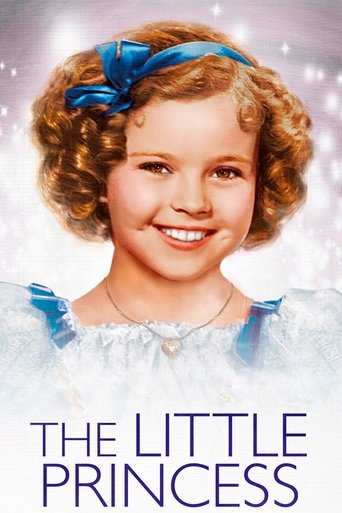
Titles linked here include The Little Princess (1939), Heidi (1937).
When was Shirley Temple born and when did she die?
Born April 23, 1928; died February 10, 2014.
What awards did Shirley Temple win?
Shirley Temple received a special juvenile Academy Award in 1935 for her outstanding contribution to film entertainment. She also won the Screen Actors Guild Life Achievement Award (1977), Kennedy Center Honors (1998), Presidential Medal of Freedom (1985), and the AFI Life Achievement Award (2006).
What was Shirley Temple's acting style?
Shirley Temple's acting style combined natural charisma with remarkable technical skill for her age, featuring her signature dimpled smile, expressive eyes, and ability to cry on cue. She excelled at musical numbers and dance routines, often performing with adult partners, and specialized in conveying both innocence and wisdom beyond her years.
How did Shirley Temple transition from acting to diplomacy?
After retiring from films in 1950, Temple became involved in Republican politics and was appointed as a delegate to the United Nations in 1969. She later served as U.S. Ambassador to Ghana (1974-1976), Chief of Protocol of the United States (1976-1977), and Ambassador to Czechoslovakia (1989-1992), using her fame and communication skills in international relations.
What was Shirley Temple's impact during the Great Depression?
During the Great Depression, Shirley Temple's films provided much-needed escapism and optimism for Americans struggling with economic hardship. Her cheerful demeanor and success story made her a symbol of hope, and her box-office appeal helped save 20th Century Fox from bankruptcy, making her both a cultural and economic force during difficult times.