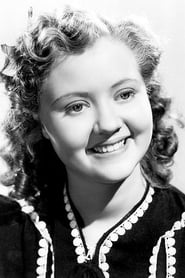
Marcia Mae Jones
Actor
Born: August 1, 1924 in Los Angeles, California, USA Died: September 2, 2007 Active: 1926-1952
Films
1 film
About Marcia Mae Jones
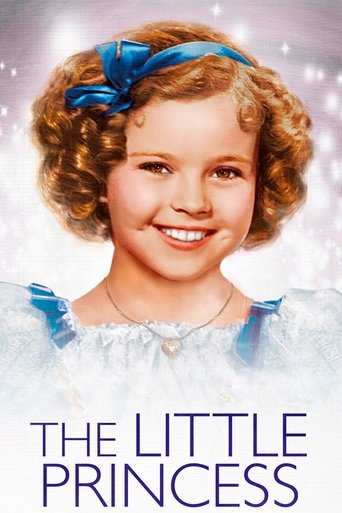
Prolific child actress during Hollywood's Golden Age, beginning her career at just two years old in 1926. Marcia appears in over 50 films throughout the 1930s and 1940s, establishing herself as recognizable child performers of her era alongside contemporaries like Shirley Temple and Jane Withers. Her most memorable role came in 1939's 'The Little Princess' where she played Becky, the scullery maid friend to Shirley Temple's character, showcasing her natural acting ability and emotional depth. Jones successfully transitioned to teenage roles in the 1940s, appearing in films like 'The Human Comedy' (1943) and 'National Velvet' (1944), though she never achieved the same level of fame as an adult actress that she had enjoyed as a child. After her film career waned in the late 1940s, she made occasional television appearances and worked behind the scenes in the entertainment industry. Her career represents the typical trajectory of many child stars from Hollywood's studio system era, who struggled to maintain their relevance as they aged out of the roles that made them famous.
The Craft
On Screen
Natural and authentic for her age, Jones possessed a remarkable ability to convey genuine emotion that resonated with audiences. Her performances were characterized by a sweet innocence combined with surprising depth, particularly in dramatic scenes. Unlike some child actors of her era who tended toward theatricality, Jones maintained a believable quality in her portrayals, whether playing impoverished children or privileged youngsters. Her chemistry with other child actors, especially Shirley Temple, created memorable on-screen relationships that felt authentic to viewers.
Milestones
- Film debut at age 2 in 'The Baby Cyclone' (1926)
- Breakthrough role in 'Little Women' (1933)
- Memorable performance as Becky in 'The Little Princess' (1939)
- Supporting role in Academy Award-winning 'The Human Comedy' (1943)
- Appeared in 'National Velvet' (1944) alongside Elizabeth Taylor
Best Known For
Iconic Roles
Must-See Films
Accolades
Special Recognition
- Young Artist Hall of Fame (inducted posthumously)
Working Relationships
Worked Often With
Studios
Why They Matter
Impact on Culture
Marcia Mae Jones represents the archetype of the Hollywood child star from the studio system era, embodying both the opportunities and challenges faced by young performers in Golden Age cinema. Her work in films like 'The Little Princess' and 'Little Women' helped define the visual and emotional language of family entertainment during the 1930s and 1940s, contributing to films that have become cultural touchstones. As one of the more prolific child actresses of her time, Jones participated in creating the template for how children were portrayed in American cinema, balancing innocence with emotional authenticity. Her performances alongside major stars like Shirley Temple and Elizabeth Taylor placed her at the center of some of the most beloved films of the era, making her an integral part of Hollywood's golden age of family entertainment.
Lasting Legacy
Marcia Mae Jones's legacy endures through the preservation of her films, which continue to be shown on television and streaming platforms, introducing new generations to her talent. Her career serves as a case study in the evolution of child stardom in Hollywood, illustrating both the peak success possible for young performers in the studio system and the challenges of transitioning to adult roles. Film historians and classic cinema enthusiasts recognize her as an important contributor to some of the most significant family films of the 1930s and 1940s. Her memoirs and interviews have provided valuable insights into the experience of being a child actor during Hollywood's golden era, documenting the working conditions, education challenges, and personal sacrifices faced by young performers. Jones's story reflects broader themes about American entertainment history, including the commodification of childhood talent and the fleeting nature of fame in the film industry.
Who They Inspired
While not as widely remembered as some of her contemporaries, Marcia Mae Jones influenced subsequent generations of child actors through her naturalistic acting style and ability to handle complex emotional material. Her work demonstrated that child performers could carry significant dramatic weight in films, helping expand the range of roles available to young actors. Jones's successful transition from silent films to talkies as a child performer provided a model for other young actors navigating the technological changes in Hollywood. Her collaborations with major directors like Clarence Brown and George Cukor showed how child actors could be integrated into sophisticated cinematic productions, influencing how filmmakers approached working with young talent in subsequent decades.
Off Screen
Marcia Mae Jones was born into a show business family, with her mother Freda Jones being an actress who encouraged her daughter's early career. She married three times throughout her life: first to Robert L. Sherry in 1946, then to television director Robert B. Sinclair in 1952 (who died tragically in a plane crash in 1970), and finally to Edward D. Wood in 1973. After her acting career diminished, Jones worked as a real estate agent and later as a secretary at a Los Angeles radio station. She remained connected to the film community through her appearances at classic film festivals and conventions, where she fondly recalled her experiences as a child star. Jones passed away in 2007 at the age of 83 from complications of pneumonia.
Education
Professional Children's School in Los Angeles, completed high school education while working as a child actress
Family
- Robert L. Sherry (1946-1949)
- Robert B. Sinclair (1952-1970, his death)
- Edward D. Wood (1973-2007, her death)
Did You Know?
- Began her career at age 2 after being discovered while accompanying her mother to an audition
- Appeared in both silent and sound films, making the transition successfully as a child
- Was one of the highest-paid child actors of the 1930s, earning $250 per week at her peak
- Her role in 'The Little Princess' was originally offered to another actress who fell ill
- Served as president of her high school student body while maintaining her acting career
- Made her last film appearance in 1952 but continued to appear on television into the 1960s
- Was a close friend off-screen with Shirley Temple, though they were sometimes cast as rivals
- Her second husband, director Robert B. Sinclair, directed many classic television episodes including 'The Twilight Zone'
- Worked as a real estate agent for 20 years after leaving show business
- Appeared at the first Shirley Temple film festival in 1988, reconnecting with fans of classic cinema
- Her daughter Victoria followed in her footsteps briefly, appearing in a few television shows in the 1970s
In Their Own Words
Being a child star in the 1930s was wonderful, but it wasn't normal. We worked like adults but were expected to remain children.
Shirley [Temple] was a professional even at seven years old. She knew her lines, her marks, and she never complained.
The best part about making 'The Little Princess' was working with the entire cast. We were like one big family on that set.
I don't regret my childhood in films, but I do wish I had more time to just be a kid sometimes.
Transitioning from child roles to adult roles was the hardest thing I ever did in Hollywood. The audiences just didn't want to see us grow up.
Frequently Asked Questions
Who was Marcia Mae Jones?
Prolific American child actress during Hollywood's Golden Age, appearing in over 50 films from 1926 to 1952. She is best remembered for her role as Becky in 'The Little Princess' (1939) alongside Shirley Temple and for her performances in classic films like 'Little Women' (1933) and 'National Velvet' (1944).
What films is Marcia Mae Jones best known for?
Titles linked here include The Little Princess (1939), Little Women (1933).
When was Marcia Mae Jones born and when did she die?
Born August 1, 1924; died September 2, 2007.
What awards did Marcia Mae Jones win?
While Marcia Mae Jones did not receive major industry awards during her active career, she was posthumously inducted into the Young Artist Hall of Fame in recognition of her contributions as a child performer. During her peak years in the 1930s, she was.
What was Marcia Mae Jones's acting style?
Marcia Mae Jones was known for her natural and authentic acting style that was unusual for child actors of her era. She possessed the ability to convey genuine emotion and depth in her performances, avoiding the theatricality sometimes associated with child actors in the 1930s. Her chemistry with other performers and believable portrayals made her a favorite among directors and audiences alike.