Ralph Peters
Actor
Born: August 3, 1902 in Leavenworth, Kansas, USA Died: April 12, 1959 Active: 1936-1959
Films
1 film
About Ralph Peters
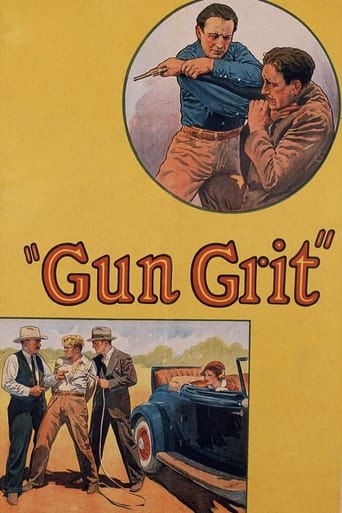
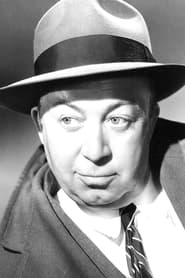
Prolific American character actor who became a familiar face in Hollywood during the Golden Age, particularly within the Western and crime genres. Born in Leavenworth, Kansas, in 1902, he began his cinematic journey in the mid-1930s, making an early appearance in the 1936 Western 'Gun Grit'. Over the next two decades, Peters established himself as a reliable supporting player, often portraying henchmen, sidekicks, or working-class characters in both B-movies and major studio productions. His career was marked by an incredible volume of work, appearing in over 100 films and television episodes, including notable turns in Howard Hawks' 'Ball of Fire' (1941) and the Marilyn Monroe vehicle 'Gentlemen Prefer Blondes' (1953). Peters was frequently cast in 'tough guy' roles due to his rugged appearance, yet he possessed a versatile range that allowed him to transition into comedic or dramatic parts with ease. He remained active in the industry until his untimely death in 1959, leaving behind a legacy as one of the era's most hardworking and dependable character specialists.
The Craft
On Screen
Ralph Peters was known for a grounded and naturalistic acting style, often characterized by a gritty, street-wise demeanor. He excelled at playing 'everyman' characters or low-level criminals, utilizing a distinctive vocal delivery and physical presence that made him a favorite for directors seeking authenticity in urban or frontier settings. Whether playing a comic sidekick in a B-Western or a menacing thug in a film noir, Peters brought a consistent level of professionalism and believability to his roles.
Milestones
- Debut in the 1936 Western 'Gun Grit'
- Memorable role as the henchman 'Asthma' Anderson in the classic comedy 'Ball of Fire' (1941)
- Frequent collaborator in the 'Blondie' film series during the 1940s
- Transitioned into early television with appearances on 'The Lone Ranger' and 'The Cisco Kid'
- Final film appearance in the 1956 noir classic 'While the City Sleeps'
Best Known For
Iconic Roles
Must-See Films
Accolades
Special Recognition
- Recognized as a prolific contributor to the Western genre in film history archives
Working Relationships
Worked Often With
Studios
Why They Matter
Impact on Culture
As a quintessential character actor of the 1930s and 40s, Ralph Peters represented the 'backbone' of the Hollywood studio system. His ability to fill small but vital roles allowed for the world-building necessary in the Golden Age of cinema. He contributed to the cultural archetype of the 'lovable rogue' or the 'dim-witted henchman,' tropes that became staples of American screwball comedy and crime dramas. His presence in numerous Westerns also helped solidify the genre's visual and character conventions during its peak popularity.
Lasting Legacy
Ralph Peters' legacy lies in his vast filmography, which serves as a masterclass in character acting. While never a leading man, his work in classics like 'Ball of Fire' ensures he remains a subject of interest for film historians and enthusiasts of classic Hollywood. He is remembered as one of the reliable 'faces' of the era—an actor whose name might not always be known by the general public, but whose performance was essential to the success of the films in which he appeared.
Who They Inspired
He influenced subsequent generations of character actors by demonstrating how to create a memorable screen presence with limited screen time. His work in B-Westerns particularly influenced the 'sidekick' dynamic that would become a staple of early television Westerns.
Off Screen
Ralph Peters lived a relatively private life away from the Hollywood spotlight. He moved from Kansas to California to pursue his acting career during the Great Depression. He was known among his peers as a dedicated professional who was always prepared on set, which contributed to his high volume of casting calls across multiple decades.
Education
Information regarding his formal education is not publicly documented, though he likely received early training in local theater or vaudeville before entering the film industry.
Did You Know?
- He appeared in over 100 film and television productions during his 23-year career.
- His character in 'Ball of Fire' was named 'Asthma' because of a recurring wheeze he used for comedic effect.
- He was a frequent player in the low-budget 'Poverty Row' studios like Monogram and PRC, but often 'graduated' to major A-list productions.
- Peters died at the relatively young age of 56 in Hollywood.
- He made several appearances in the popular 'Blondie' film series based on the comic strip.
- In the 1939 film 'Six-Gun Rhythm', he played a rare 'sidekick' role to singing cowboy Tex Fletcher.
In Their Own Words
"Better look out, it's gonna spit." (As Asthma Anderson in 'Ball of Fire', referring to a gun)
Frequently Asked Questions
Who was Ralph Peters?
Prolific American character with credits in this catalog. He was best known for his supporting roles in Westerns, film noir, and comedies like 'Ball of Fire'.
What films is Ralph Peters best known for?
Titles linked here include Ball of Fire (1941), Gentlemen Prefer Blondes (1953).
When was Ralph Peters born and when did he die?
Born August 3, 1902; died April 12, 1959.
What was Ralph Peters' acting style?
Peters was known for a naturalistic, 'tough guy' persona, often playing henchmen, working-class men, or comedic sidekicks with a gritty authenticity.
Did Ralph Peters win any awards?
While he did not win major individual awards, he was a highly respected character actor who appeared in several films that received Academy Award nominations and critical acclaim.
How many movies did Ralph Peters appear in?
Throughout his career, Ralph Peters appeared in over 100 films and television episodes, making him one of the more prolific supporting actors of his time.