
Paul Langton
Actor
Born: November 17, 1912 in Salt Lake City, Utah, USA Died: April 22, 1997 Active: 1941-1972
Films
1 film
About Paul Langton
American character actor: over three decades, beginning in the early 1940s and continuing through the golden age of Hollywood television. Born in Salt Lake City, Utah, Langton began his film career in supporting roles, often appearing in film noir productions that were popular during the 1940s and 1950s. His rugged appearance and intense demeanor made him particularly well-suited for playing villains, gangsters, and troubled characters in these dark, atmospheric films. As the studio system evolved and television emerged as a dominant medium, Langton successfully transitioned to the small screen, appearing in numerous anthology series and dramatic programs throughout the 1950s and 1960s. Perhaps his most notable television role was as Dr. Michael Rossi in the popular soap opera 'Peyton Place' from 1964 to 1966, which brought him significant recognition among television audiences. Throughout his career, Langton worked steadily in both mediums, appearing in over 100 film and television productions, though he remained primarily a supporting character actor rather than a leading man. His last credited appearances were in the early 1970s, after which he retired from acting.
The Craft
On Screen
Langton was known for his intense, brooding presence and naturalistic acting style that made him particularly effective in film noir and dramatic roles. He brought a gritty realism to his characters, often playing tough, cynical figures with an underlying vulnerability. His delivery was typically understated yet powerful, allowing him to convey complex emotions through subtle facial expressions and body language rather than overt gestures.
Milestones
- Film debut in 'The Falcon and His Co-Eds' (1943)
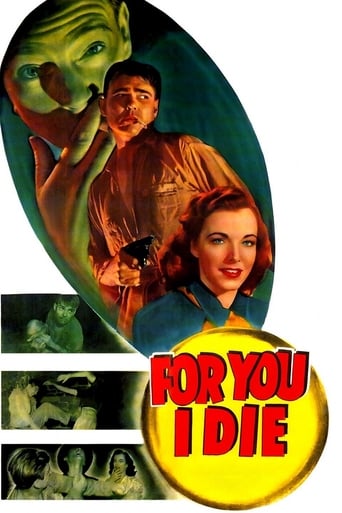
- Notable role in film noir 'For You I Die' (1947)
- Supporting role in 'The Big Knife' (1955)
- Memorable appearance in 'The House on Haunted Hill' (1959)
- Regular role as Dr. Michael Rossi in 'Peyton Place' (1964-1966)
- Over 100 film and television appearances throughout his career
Best Known For
Iconic Roles
Must-See Films
Working Relationships
Worked Often With
Studios
Why They Matter
Impact on Culture
While never a major star, Paul Langton contributed significantly to the film noir genre and the golden age of television drama. His work in films like 'For You I Die' and 'The Big Knife' helped define the gritty, realistic style of character acting that became synonymous with noir cinema. His transition to television and success in 'Peyton Place' demonstrated the adaptability of film actors to the new medium and helped establish the template for dramatic television acting in the 1960s.
Lasting Legacy
Paul Langton's legacy lies in his body of work as a reliable character actor who brought depth and authenticity to every role he undertook. Though not a household name, his performances in classic film noir and television dramas continue to be appreciated by classic cinema enthusiasts and film historians. His career serves as an example of the working actor who successfully navigated the transition from Hollywood's golden age to the television era.
Who They Inspired
Langton influenced subsequent generations of character actors through his naturalistic approach to playing complex, often morally ambiguous characters. His ability to convey depth through minimal dialogue and subtle expression became a model for television actors in dramatic series and soap operas.
Off Screen
Paul Langton was married twice during his lifetime. His first marriage was to actress Barbara Seaman, which ended in divorce. He later married Jane Langton, with whom he remained until his death. Langton was known as a private individual who maintained a relatively low public profile despite his lengthy career in entertainment. He spent his later years away from the spotlight, living in California until his death in 1997 at the age of 84.
Education
Limited information available about his formal education, though he likely received some theatrical training before entering films.
Family
- Barbara Seaman (divorced)
- Jane Langton (until his death)
Did You Know?
- Despite appearing in over 100 productions, Langton never received top billing in any of his films
- His role in 'The House on Haunted Hill' was one of his most memorable horror film performances
- He was one of the few actors to successfully transition from film noir to television soap operas
- Langton often played characters with names like Joe, Mike, or Tom - common everyman names
- His television work outnumbered his film appearances by a significant margin
- He appeared in episodes of nearly every major television anthology series of the 1950s and 1960s
- Despite his lengthy career, relatively little biographical information about him exists in public archives
- His role in 'Peyton Place' was his longest-running television role at over 60 episodes
- He worked with both major studio directors and independent filmmakers throughout his career
- His final screen appearance was in a 1972 episode of 'The Bold Ones: The New Doctors'
In Their Own Words
No widely documented famous quotes from Paul Langton are available, as he was primarily known for his acting rather than public speaking or interviews
Frequently Asked Questions
Who was Paul Langton?
American character with credits in this catalog. He was particularly known for his roles in film noir productions and later for his work in television dramas, most notably in the soap opera 'Peyton Place'.
What films is Paul Langton best known for?
Titles linked here include For You I Die (1947), The Big Knife (1955).
When was Paul Langton born and when did he die?
Born November 17, 1912; died April 22, 1997.
What awards did Paul Langton win?
Despite his lengthy career with over 100 film and television appearances, Paul Langton did not receive major industry awards or significant nominations. He was primarily known as a reliable working character actor rather than an award-winning performer.
What was Paul Langton's acting style?
Langton was known for his intense, naturalistic acting style characterized by understated delivery and the ability to convey complex emotions through subtle expressions. He excelled at playing morally ambiguous characters and brought a gritty realism to his film noir roles.
Did Paul Langton work primarily in film or television?
Paul Langton worked extensively in both mediums, beginning with films in the 1940s before transitioning to television in the 1950s and 1960s. His television work eventually outnumbered his film appearances, with his most notable role being Dr. Michael Rossi in 'Peyton Place'.
Was Paul Langton related to any other famous actors?
There is no documented evidence that Paul Langton was related to other famous actors. He maintained a private personal life separate from his professional career in entertainment.
What genre was Paul Langton most associated with?
Paul Langton was most closely associated with film noir, where his intense demeanor and naturalistic style made him particularly effective in playing gangsters, villains, and troubled characters. He also appeared in horror films and television dramas throughout his career.