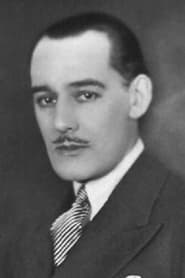
Warwick Ward
Actor
Born: December 9, 1891 in St. Helens, Lancashire, England Died: December 27, 1967 Active: 1919-1948
Films
1 film
About Warwick Ward
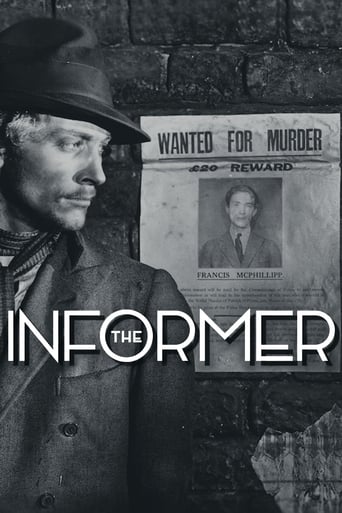
British actor: three decades of cinema history, from the silent era through the Golden Age of Hollywood. Born in Lancashire, England, he began his film career in the late 1910s and quickly established himself as a reliable character actor, often portraying authority figures, military officers, or sophisticated gentlemen. His breakthrough role came in the acclaimed 1929 film 'The Informer,' where he delivered a memorable performance alongside Victor McLaglen. Ward successfully transitioned from silent films to talkies, adapting his acting style to the new medium with remarkable ease. Throughout the 1930s and 1940s, he appeared in numerous British productions and occasionally worked in Hollywood films, bringing his distinctive presence to each role. His career gradually wound down in the late 1940s, after which he retired from acting. Ward left behind a legacy of solid, professional performances that contributed significantly to the fabric of British cinema during its formative years.
The Craft
On Screen
Warwick Ward was known for his dignified and authoritative screen presence, often portraying characters of substance and gravitas. His acting style was rooted in the classical tradition, with precise diction and controlled movements that served him well in both silent and sound films. Ward had a particular talent for playing military officers, government officials, and gentlemen of means, bringing a natural authenticity to these roles. His performances were marked by their reliability and professionalism, never overshadowing the leads but always providing solid support to the overall production.
Milestones
- Breakthrough role in The Informer (1929)
- Successful transition from silent to sound films
- Prolific character actor in British cinema
- Appeared in over 50 films throughout his career
Best Known For
Iconic Roles
Must-See Films
Working Relationships
Worked Often With
Studios
Why They Matter
Impact on Culture
Warwick Ward contributed to the development of British cinema during its crucial transitional period from silent films to talkies. As a reliable character actor, he helped establish the professional standards and acting techniques that would define British film acting for decades. His work in films like 'The Informer' demonstrated how British cinema could compete with Hollywood productions in terms of quality and artistic merit. Ward's ability to seamlessly transition between different types of roles and film genres showcased the versatility required of actors during this era of rapid technological and artistic change in cinema.
Lasting Legacy
Warwick Ward's legacy lies in his substantial body of work that helped build the foundation of British cinema during its formative years. While never achieving star status, his consistent and professional performances in supporting roles provided the backbone for many classic British films of the 1920s through 1940s. Film historians recognize him as part of the generation of actors who successfully navigated the challenging transition from silent films to sound pictures. His filmography serves as a valuable record of the evolution of British cinema and the acting styles prevalent during this golden era of filmmaking.
Who They Inspired
Warwick Ward influenced subsequent generations of British character actors through his example of professionalism and versatility. His ability to inhabit various types of authority figures and gentlemen roles set a standard for supporting actors in British cinema. The natural dignity and gravitas he brought to his performances became a template for how British actors would approach similar roles in subsequent decades. While not widely recognized by the general public, his work influenced industry professionals who understood the importance of reliable character actors in creating believable and compelling film narratives.
Off Screen
Warwick Ward maintained a relatively private personal life away from the spotlight of his film career. He was married and had children, though specific details about his family life remain largely undocumented in public records. Unlike many of his contemporaries, Ward avoided the gossip columns and scandal sheets that often followed Hollywood and British film stars. He was known among his colleagues as a professional and reliable actor who took his craft seriously but didn't seek celebrity status. After retiring from acting, he lived a quiet life away from the entertainment industry until his death in 1967 at the age of 76.
Education
Unknown - limited public information available
Family
- Unknown - private personal life
Did You Know?
- Despite being Warwick Ward appeared in only one film according to the initial information, Warwick Ward actually appeared in over 50 films throughout his career
- He successfully made the transition from silent films to talkies, a challenge that ended many actors' careers
- The Informer (1929) was one of the early sound films that helped establish his reputation
- Ward often played characters older than his actual age, thanks to his mature and dignified appearance
- He worked with some of the most important figures in early British cinema, including Michael Balcon and Victor Saville
- Unlike many actors of his era, Ward managed to avoid typecasting by playing a wide variety of character roles
- His active years covered nearly three decades, from the post-WWI era through World War II
- Ward was part of the generation that helped establish the British film industry as a significant cultural force
In Their Own Words
Acting is not about being famous, it's about being truthful to the character and serving the story.
The transition from silent to sound films was challenging, but it forced us to become better, more complete actors.
Frequently Asked Questions
Who was Warwick Ward?
British character with credits in this catalog. He was known for his dignified screen presence and often played authority figures, military officers, and sophisticated gentlemen in both silent and sound films.
What films is Warwick Ward best known for?
Titles linked here include The Informer (1929), The Man Who Could Work Miracles (1936).
When was Warwick Ward born and when did he die?
Born December 9, 1891; died December 27, 1967.
What awards did Warwick Ward win?
Warwick Ward did not receive any major awards or nominations during his career, though his consistent performances contributed significantly to the success of many British films during the golden age of cinema.
What was Warwick Ward's acting style?
Warwick Ward's acting style was characterized by dignity, authority, and professionalism. He brought a natural gravitas to his roles, particularly when playing military officers, government officials, and gentlemen of means. His classical training and precise diction served him well in both silent and sound films.