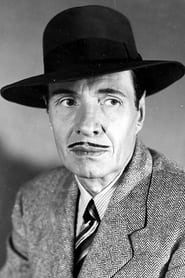
Robert Fiske
Actor
Born: October 8, 1895 in Brooklyn, New York, USA Died: January 6, 1944 Active: 1935-1944
Films
1 film
About Robert Fiske
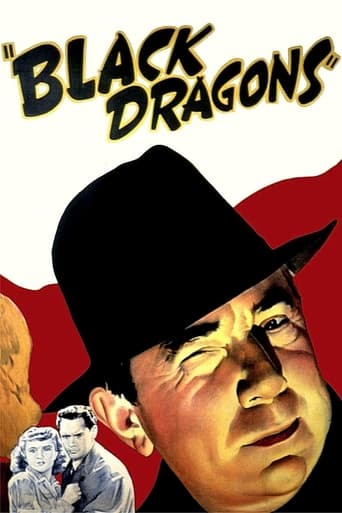
Robert Fiske performed in numerous films during Hollywood's Golden Age. Born in Brooklyn, New York, he began his film career in the mid-1930s and quickly established himself as a reliable supporting actor. Fiske was frequently cast as villains, authority figures, or businessmen due to his stern appearance and distinctive voice. Robert appears in Black Dragons (1942), a wartime propaganda thriller about Japanese spies, which showcased his ability to portray menacing characters effectively. Throughout his career, he worked with major studios including Warner Bros., Universal, and Republic Pictures, appearing alongside many of Hollywood's biggest stars. Fiske was known for his professionalism and ability to deliver memorable performances even in small roles. His career was cut short when he died of a heart attack in 1944 at the age of 48, leaving behind a substantial body of work that continues to be appreciated by classic film enthusiasts.
The Craft
On Screen
Known for his stern, authoritative presence and distinctive voice, Fiske specialized in playing villains, authority figures, and businessmen. His acting style was direct and no-nonsense, bringing credibility to even the smallest roles.
Milestones
- Appeared in numerous films during Hollywood's Golden Age
- Regular supporting actor in major studio productions
- Memorable role in Black Dragons (1942)
- Prolific work during the 1930s and 1940s
Best Known For
Iconic Roles
Must-See Films
Working Relationships
Worked Often With
Studios
Why They Matter
Impact on Culture
Robert Fiske contributed to the fabric of Hollywood's Golden Age through his consistent character performances. As one of the many reliable supporting actors who populated films of the 1930s and 1940s, he helped create the authentic worlds that made classic films memorable. His work in wartime propaganda films like Black Dragons reflected the industry's contribution to the war effort and showcased how character actors helped reinforce patriotic themes during WWII.
Lasting Legacy
Robert Fiske's legacy lies in his extensive body of work that exemplifies the character actor's crucial role in classic Hollywood cinema. Though never a star, his performances in numerous films demonstrate the importance of supporting players in creating rich, believable film worlds. Classic film enthusiasts continue to recognize and appreciate his contributions to the Golden Age of Hollywood, particularly his ability to bring depth to even the smallest roles.
Who They Inspired
As a character actor, Robert Fiske's influence was primarily through the example he set for other supporting actors in terms of professionalism and reliability. His ability to bring depth to even minor roles served as a model for subsequent generations of character actors in Hollywood. The consistency and quality of his work across numerous films demonstrated how supporting actors could elevate the overall quality of motion pictures.
Off Screen
Private individual who kept his personal life largely out of the public eye. Details about his family life are scarce, as was common for character actors of his era who focused on their craft rather than celebrity. His sudden death from a heart attack at age 48 shocked colleagues in the film industry and cut short a productive career.
Education
Information not publicly available
Family
- Information not publicly available
Did You Know?
- Appeared in numerous films during his nearly decade-long career
- Often typecast as villains or authority figures due to his stern appearance
- Died suddenly of a heart attack at age 48, cutting short his career
- His film active years covered the transition from the late 1930s to the early 1940s
- Worked with many of Hollywood's biggest stars despite never being a leading man himself
- Black Dragons (1942) was one of his final film appearances
- Born in Brooklyn but made his career in Hollywood
- His distinctive voice made him particularly effective in radio-style dialogue delivery common in films of his era
In Their Own Words
Information not publicly available
Frequently Asked Questions
Who was Robert Fiske?
Screen credits include numerous films during Hollywood's Golden Age, primarily in the 1930s and 1940s. He was known for playing villains, authority figures, and businessmen due to his stern appearance and distinctive voice.
What films is Robert Fiske best known for?
Titles linked here include Black Dragons (1942), The Roaring Twenties (1939).
When was Robert Fiske born and when did he die?
Born October 8, 1895; died January 6, 1944.
What awards did Robert Fiske win?
Robert Fiske did not receive any major awards or nominations during his career, which was typical for character actors of his era who primarily worked in supporting roles.
What was Robert Fiske's acting style?
Robert Fiske was known for his stern, authoritative presence and distinctive voice. His acting style was direct and no-nonsense, specializing in bringing credibility to roles as villains, authority figures, and businessmen.
How many films did Robert Fiske appear in?
Robert Fiske appeared in numerous films during his career, which spanned from 1935 to 1944, making him one of the more prolific character actors of his time