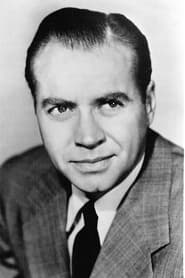
Lyle Bettger
Actor
Born: February 13, 1915 in New Orleans, Louisiana, USA Died: September 24, 2003 Active: 1950-1978 Birth Name: Lyle S. Bettger
Films
2 films
About Lyle Bettger
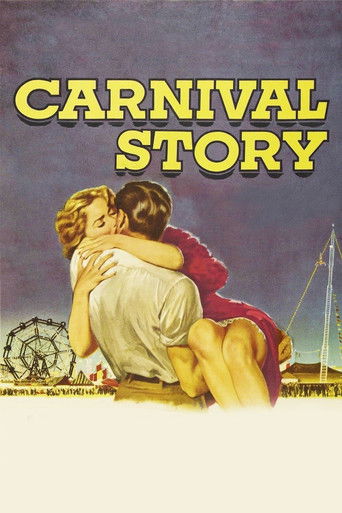
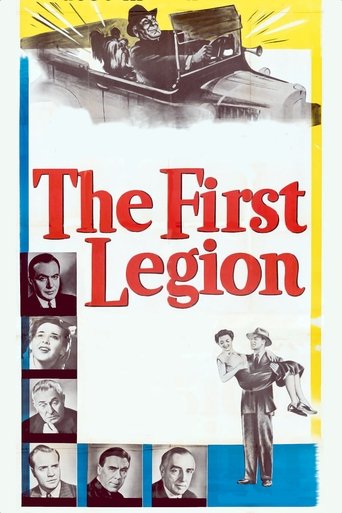
American character actor: over three decades in Hollywood's Golden Age. Born in New Orleans in 1915, Bettger began his acting career on Broadway before transitioning to films in the early 1950s. He quickly established himself as one of Hollywood's most reliable villains and antagonists, with his imposing presence and intense demeanor making him perfect for roles as gangsters, corrupt officials, and ruthless businessmen. His breakthrough came with his performance in 'The First Legion' (1951), which led to a contract with Universal-International. Throughout the 1950s and 1960s, Bettger appeared in over 50 films, including notable works like 'Carnival Story' (1954), 'The Greatest Show on Earth' (1952), and 'Gunfight at the O.K. Corral' (1957). As the studio system declined, Bettger successfully transitioned to television, appearing in popular series such as 'Gunsmoke,' 'Bonanza,' and 'The Wild Wild West.' He retired from acting in the late 1970s after a prolific career that on American cinema and television.
The Craft
On Screen
Bettger was known for his intense, menacing screen presence and ability to portray complex antagonists with depth and nuance. He had a commanding voice and sharp features that made him particularly effective as villains, though he could also bring surprising humanity to his antagonistic roles. His acting style was grounded in realism, drawing from his theatrical training while adapting to the more naturalistic demands of film and television.
Milestones
- Broadway debut in 'The Man Who Came to Dinner' (1939)
- Film debut in 'The First Legion' (1951)
- Contract with Universal-International Studios (1951-1956)
- Memorable role as circus manager in 'The Greatest Show on Earth' (1952)
- Transition to successful television career in the 1960s
- Over 100 film and television appearances throughout his career
Best Known For
Iconic Roles
Must-See Films
Accolades
Special Recognition
- Hollywood Walk of Fame Star (1960)
Working Relationships
Worked Often With
Studios
Why They Matter
Impact on Culture
Lyle Bettger made a significant impact on American cinema as. His ability to portray complex antagonists helped elevate many films beyond simple good-versus-evil narratives, bringing depth and credibility to villain roles that might otherwise have been one-dimensional. During the Golden Age of Hollywood, Bettger became a familiar face to audiences worldwide, contributing to the era's distinctive character actor tradition. His work in both film and television helped bridge the gap between the studio system and the modern entertainment industry, demonstrating how character actors could adapt to changing media landscapes.
Lasting Legacy
Bettger's legacy lies in his contribution to the art of character acting, particularly in the realm of villainous roles. He proved that antagonists could be as compelling and memorable as protagonists, influencing generations of actors who followed in his footsteps. His extensive filmography serves as a valuable record of Hollywood's Golden Age, while his television work helped establish the template for guest starring roles in episodic television. Today, film scholars and classic cinema enthusiasts recognize Bettger as an essential component of Hollywood's character actor tradition, a performer who brought professionalism and craft to every role regardless of size.
Who They Inspired
Bettger influenced numerous actors who specialized in villain roles, particularly in the way he brought nuance and humanity to antagonistic characters. His ability to make villains believable and sometimes sympathetic set a standard for character actors that continues to be studied today. Many contemporary character actors cite Bettger's work as an example of how to elevate supporting roles beyond simple stereotypes.
Off Screen
Lyle Bettger led a relatively private personal life away from the Hollywood spotlight. He married Celia Kay in 1942, and their marriage lasted until his death over six decades later. The couple had two children together, a son and a daughter. Despite often playing villains on screen, Bettger was known in Hollywood circles as a gentleman and devoted family man. He maintained homes in both Los Angeles and New York throughout his career, balancing his film work with occasional returns to the stage.
Education
Graduated from Tulane University, studied acting at the Neighborhood Playhouse in New York City
Family
- Celia Kay Bettger (1942-2003)
Did You Know?
- Was an accomplished horseman and performed many of his own stunts in Westerns
- Originally studied law at Tulane University before switching to drama
- Served in the U.S. Army Air Forces during World War II
- Was a skilled poker player and often played with fellow Hollywood actors
- His distinctive scar on his left cheek was real, not makeup for film roles
- Was considered for the role of Mr. Freeze in the original Batman television series
- Spoke fluent French, which helped him secure roles in international productions
- Was a member of the prestigious Actors Studio for a brief period in the 1950s
- Once turned down a leading role in a major film to continue playing character parts
- His daughter briefly followed him into acting before choosing a different career path
In Their Own Words
Playing the villain is always more interesting than playing the hero. The villain has more freedom to be complex and unpredictable.
In Hollywood, they typecast you quickly. I learned to embrace being the 'heavy' and make every villain unique.
The secret to playing a good bad guy is to never think of yourself as evil. Every villain believes they're the hero of their own story.
Frequently Asked Questions
Who was Lyle Bettger?
American character with credits in this catalog.
What films is Lyle Bettger best known for?
Titles linked here include The Greatest Show on Earth (1952), Carnival Story (1954).
When was Lyle Bettger born and when did he die?
Born February 13, 1915; died September 24, 2003.
What awards did Lyle Bettger win?
While Bettger didn't win major acting awards, he received a star on the Hollywood Walk of Fame in 1960 in recognition of his contributions to film and television.
What was Lyle Bettger's acting style?
Bettger was known for his intense, realistic portrayals of villains and antagonists, bringing depth and nuance to characters that might otherwise have been one-dimensional.
Did Lyle Bettger work in television?
Yes, Bettger had an extensive television career, appearing in popular series like 'Gunsmoke,' 'Bonanza,' 'The Wild Wild West,' and 'The Lone Ranger.'
Was Lyle Bettger related to other actors?
No, Lyle Bettger was not related to other famous actors, though his distinctive appearance and acting style made him a memorable presence in Hollywood.