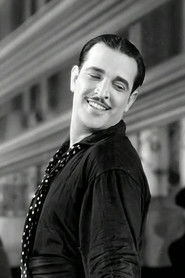
George Barraud
Actor
- Active
- 1930-1930
Films 2
About George Barraud
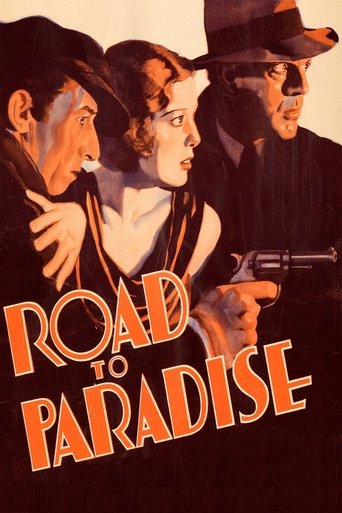
George Barraud was a British actor associated with the earliest sound era, best remembered today for his credited appearance in the 1930 production Road to Paradise. Surviving reference sources provide only sparse biographical detail, which is not unusual for performers whose screen careers were brief and who worked during the transitional period from silent films to talkies. He appears to have been active in film in or around 1930, suggesting either a short screen career or one that is poorly documented in extant records. Because his name surfaces in early sound-era film credits rather than in later star publicity, he is best understood as a character actor or supporting player rather than a major leading figure. No reliable published sources in standard classic-cinema references consistently preserve fuller personal data such as his birth date, death date, or extended stage history. Even so, his presence in Road to Paradise places him within the international cast of early Hollywood productions that drew on British and European talent for cosmopolitan atmosphere and supporting roles. Barraud remains an obscure but legitimate part of early film history, representative of the many working actors whose contributions survive mainly through film credits and archival databases.
More about George Barraud
In film history
George Barraud's cultural impact is limited by the extremely small amount of surviving documentation about his career, but his presence in an early sound-era feature makes him part of the broad professional network that sustained classic Hollywood. Actors like Barraud were essential to the functioning of studio production, supplying the supporting performances that helped give early films realism, texture, and a sense of social world. Even when they did not become stars, these performers contributed to the international and cosmopolitan casting patterns that were common in the late silent and early talkie period. In historical terms, his career is valuable because it reflects the many lightly documented artists whose work has been preserved only through credits and film surviving in archives.
Later reputation
Barraud's legacy is that of a small but authentic surviving name from the early sound era, a reminder that film history is not built only from marquee stars. For database and archival purposes, he matters because each credited performer helps reconstruct the personnel and casting practices of period cinema. His name also underscores the unevenness of historical preservation: many working actors contributed to notable productions yet left behind little biographical record. In that sense, his enduring legacy lies less in celebrity than in his place within the documented fabric of early 1930s film production.
Influence
There is no evidence that George Barraud exerted a documented influence on later actors or filmmakers in the way major stars or auteurs did. His importance is instead archival and contextual, illustrating the working actor’s role in early cinema and the way supporting performers shaped screen realism. Any influence he may have had would have been indirect, through participation in the production ecosystem of early sound filmmaking rather than through a widely recognized personal style or public persona.
Off screen
No reliable public information has been found in standard classic-cinema references regarding George Barraud's family background, marriages, children, or personal life. His obscurity in the historical record suggests that he was not a major celebrity figure in the press of his day, or that documentation about him has not survived in widely accessible sources. As a result, any detailed account of his private life would be speculative and is not included here.
Credits
- Credited screen appearance in Road to Paradise (1930)
- Participation in the early sound-film era
- Representation of the many supporting actors working in transitional early talkies
Roles
- Supporting role in Road to Paradise (1930)
Films
- Road to Paradise (1930)
Notes
- George Barraud is primarily identifiable through his film credit rather than through extensive biographical records.
- His known screen activity falls in the early sound-film period, around 1930.
- Road to Paradise (1930) is the principal title associated with his name in surviving filmography references.
- He appears to have had a very brief or poorly documented screen career.
- He is an example of the many early cinema performers whose lives are difficult to reconstruct from surviving sources.
- His available record suggests he may have been a supporting or character player rather than a featured star.
Questions
Who was George Barraud?
George Barraud was a British actor known from the early sound era of cinema. He is chiefly remembered for his credited appearance in Road to Paradise (1930), although very little biographical information survives in standard sources.
What films is George Barraud best known for?
The principal film associated with George Barraud is Road to Paradise (1930). Surviving records do not currently document a broader, well-known filmography for him.
When was George Barraud born and when did he die?
Reliable public sources currently do not provide verified birth or death dates for George Barraud. His personal details appear to be largely undocumented in accessible classic-cinema references.
What awards did George Barraud win?
No awards or nominations are currently documented for George Barraud in the accessible historical record. He appears to have been a lesser-known working actor rather than a decorated star.
What was George Barraud's acting style?
There is not enough surviving evidence to describe a distinct, documented acting style for George Barraud. Based on his limited known screen presence, he is best understood as a supporting performer from the early talkie period.
What is George Barraud's legacy in film history?
George Barraud's legacy is archival rather than star-based: he represents the many supporting actors whose names survive in film credits even when personal details are scarce. His recorded work helps historians and databases reconstruct the personnel of early 1930s cinema.