
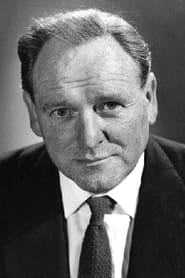
Bernard Lee
Actor
Born: January 10, 1908 in London, England, United Kingdom Died: January 16, 1981 Active: 1934-1979
Films
1 film
About Bernard Lee
British character actor: over four decades in film, television, and theatre. Born in London in 1908, he began his acting career in the 1930s, quickly establishing himself as a reliable supporting player in British cinema. His breakthrough came with his powerful performances in wartime dramas and film noirs during the 1940s, where his authoritative presence and distinctive voice made him a memorable presence on screen. Lee's international recognition grew significantly when he was cast as M, the head of MI6, in the James Bond film series, a role he originated in 'Dr. No' (1962) and would play in eleven consecutive Bond films until his death in 1979. Beyond his Bond role, Lee appeared in over 100 films, including 'The Third Man' (1949), 'The Battle of the River Plate' (1956), and 'The Prisoner' (1963). His versatility allowed him to play everything from military officers and government officials to working-class characters, always bringing depth and authenticity to his roles. Lee's final performance as M was in 'Moonraker' (1979), and he passed away shortly after filming was completed, leaving behind a legacy as one of Britain's most respected character actors.
The Craft
On Screen
Bernard Lee was known for his naturalistic and understated acting style, characterized by his authoritative presence and distinctive, measured delivery. He brought a sense of gravitas and authenticity to every role, whether playing military officers, government officials, or working-class characters. His technique was rooted in the British tradition of character acting, emphasizing psychological truth and emotional restraint over theatrical flourish. Lee had a remarkable ability to convey complex emotions through subtle facial expressions and vocal modulation, making him particularly effective in roles requiring authority and wisdom.
Milestones
- Originated the role of M in the James Bond film series (1962-1979)
- Appeared in the classic film noir 'The Third Man' (1949)
- Starred in 'The Battle of the River Plate' (1956)
- Performed in over 100 films throughout his career
- Appeared in the television series 'The Prisoner' (1967-1968)
Best Known For
Iconic Roles
Must-See Films
Accolades
Special Recognition
- Posthumously recognized as
- Honored by the British film industry for his contributions to cinema
Working Relationships
Worked Often With
Studios
Why They Matter
Impact on Culture
Bernard Lee's portrayal of M in the James Bond series created the template for the intelligence chief character in spy fiction and cinema. His authoritative yet paternal performance established M as the moral center of the Bond universe, providing the perfect counterpoint to Sean Connery's charismatic but rebellious 007. The character became so iconic that subsequent actors who played M, including Judi Dench, had to contend with the standard Lee had set. His work in 'The Third Man' and other British film noirs contributed to the golden age of British cinema, helping to define the aesthetic and tone of the genre. Lee's active years covered the transformation of British cinema from its studio system days to the modern blockbuster era, making him a bridge between different generations of filmmaking.
Lasting Legacy
Bernard Lee's legacy is defined by his indelible portrayal of M, which remains. His performance created a blueprint for the intelligence chief archetype that has been copied and referenced in countless films and television shows. Beyond Bond, Lee's extensive body of work represents some of the finest examples of British character acting from the mid-20th century. He demonstrated that supporting actors could leave as lasting an impression as leading players, and his career inspired generations of British actors to embrace character roles rather than solely pursuing stardom. His contribution to the James Bond franchise helped establish it as the most successful film series in history, and his presence in the first eleven films provided continuity and authority that anchored the series' early success.
Who They Inspired
Bernard Lee influenced generations of British actors through his example of professionalism, versatility, and dedication to craft. His naturalistic acting style helped move British cinema away from theatrical traditions toward more realistic performances. Character actors like Michael Caine, Ian McKellen, and Derek Jacobi have cited Lee and his contemporaries as inspirations for their own careers. His portrayal of M influenced how intelligence chiefs would be portrayed in popular culture, from television shows like 'The Avengers' to films like 'Mission: Impossible'. Lee's ability to maintain a successful career spanning four decades, adapting to changing cinematic styles while remaining true to his artistic principles, serves as a model for longevity in the entertainment industry.
Off Screen
Bernard Lee was married to Ursula Lee, with whom he had one daughter. He was known for his professionalism and dedication to his craft, often working long hours on film sets while maintaining a reputation as a kind and generous colleague. Lee — private individual who rarely discussed his personal life in public, preferring to let his work speak for itself. Despite his success in international cinema, he remained a humble man who was deeply committed to his family and his craft.
Education
Studied at the Royal Academy of Dramatic Art (RADA)
Family
- Ursula Lee
Did You Know?
- He was the first actor to play M in the James Bond series, appearing in 11 consecutive Bond films from 1962 to 1979
- His final film appearance was in 'Moonraker' (1979), released shortly after his death
- Despite being synonymous with the Bond franchise, he only appeared in about 5% of each film's total running time
- He was originally considered for the role of M's predecessor, Admiral Sir Miles Messervy, but was cast as M instead
- His distinctive voice and authoritative presence made him a popular choice for military and government roles
- He served in the British Army during World War II, which informed his later portrayals of military characters
- Lee — close friend of fellow Bond actor Desmond Llewelyn (Q)
- His daughter Ann Lee also became an actress
- He was offered the chance to direct a Bond film but declined, preferring to focus on acting
- His performance as M was so iconic that when the character was recast after his death, the producers wrote in a line explaining the change
In Their Own Words
Bond, you'll be on a treasure hunt in the Bahamas. This is the opportunity you've been waiting for. Good luck, 007.
Double-oh seven, you've had your six months of mourning. The world needs you.
Your mission, should you decide to accept it, is to eliminate this threat to national security.
We have no time for sentimentality, Bond. The fate of the free world is at stake.
Frequently Asked Questions
Who was Bernard Lee?
British character with credits in this catalog. With a career spanning over four decades, he appeared in more than 100 films and became one of Britain's most respected supporting actors.
What films is Bernard Lee best known for?
Titles linked here include Dr. No (1962), The Third Man (1949).
When was Bernard Lee born and when did he die?
Born January 10, 1908; died January 16, 1981.
What awards did Bernard Lee win?
Despite his significant contributions to cinema, Bernard Lee did not receive major formal awards during his lifetime. However, he has been posthumously recognized for his iconic portrayal of M and his lasting impact on the James Bond franchise and British cinema.
What was Bernard Lee's acting style?
Lee was known for his naturalistic, understated acting style characterized by his authoritative presence and distinctive, measured delivery. He brought gravitas and authenticity to every role, using subtle facial expressions and vocal modulation to convey complex emotions with remarkable restraint and psychological truth.